A successful fishing holiday doesn’t just start at the water’s edge, but with the right preparation. Especially when it comes to long-distance travel, expeditions and tours to remote areas, good planning determines whether the trip will be relaxed or fraught with problems. With a little experience and the right tips, many difficulties can be avoided in advance.
In this article, we summarise the most important content from our podcast. We stick closely to the original statements, explain the background and go into detail on the individual topics.
The right luggage for your fishing trip
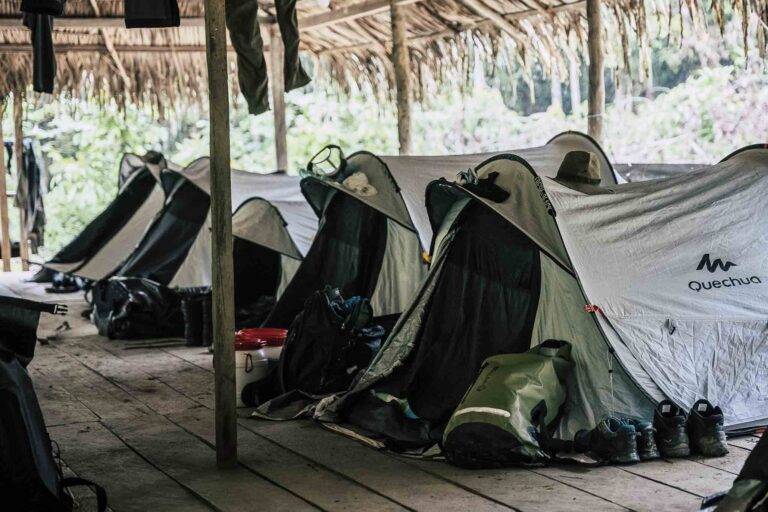
Choosing the right luggage is a key issue for any fishing trip. Requirements vary considerably depending on the destination, means of transport and accommodation. In remote regions, rainforests or on boat trips, waterproof luggage is essential. Duffel bags made of robust material protect equipment from rain, splashes and high humidity. They can be stowed flexibly and adapt to even the most cramped transport options.
In countries with good infrastructure, permanent accommodation and short transfers, hard-shell suitcases offer many advantages. They reliably protect sensitive equipment from shocks and pressure. Reels, cameras and electronics benefit from this in particular. If you are switching between different modes of transport, trolley duffel bags are a good choice as they combine stability and flexibility.
Regardless of the type of suitcase, fishing reels should always be secured additionally. Special reel bags or hard cases prevent brake systems or gears from being damaged by vibrations. Simply wrapping reels in clothing does not provide sufficient protection in the long term.
Using rod tubes cleverly
Many anglers consider rod tubes to be nothing more than a means of transport. In fact, however, they can be used in many more ways. When packed correctly, they offer additional storage space and also increase the safety of the rods.
Heavy lures, jigs or lead heads are ideally stored in the lower section. Above these, the rods are placed, padded with clothing, neoprene covers or foam. This prevents the individual parts from moving against each other during transport. The less space there is in the tube, the lower the risk of breakage or material damage.
Before travelling, you should check with the airline about special baggage regulations. Many airlines allow rod tubes for an additional fee. It is also important to distribute the equipment across several pieces of luggage. If one tube is lost, at least part of the equipment will still be available.
Prepare your hand luggage optimally
Hand luggage plays a special role on every trip. It is the most important safeguard in case checked luggage arrives late or is lost. Therefore, it should be packed in such a way that you can get by for several days in an emergency.
A waterproof bag or dry bag is particularly recommended for fishing trips. This will protect documents and electronic devices on boats, in rain or in high humidity. Heavy bait or spare reels can also be carried in your hand luggage, as this is rarely weighed, saving weight in your main luggage.
A complete change of clothes, medication, chargers and basic toiletries should also be packed in your hand luggage. If you are prepared in this way, you will be able to cope even if there are unforeseen delays.
Store documents securely
Travel documents are essential for a fishing trip. These include your passport, visas, vaccination certificate, insurance documents and flight tickets. They should always be kept together and protected.
Waterproof document bags with sturdy zips have proven to be effective. Models with RFID protection offer additional protection against data theft. It is also advisable to store digital copies of the most important documents, for example in the cloud or on your smartphone.
Use luggage trackers
Modern luggage trackers are a valuable aid when travelling by air. Small devices such as AirTags or SmartTags make it possible to locate suitcases and rod tubes at any time.
By placing a tracker in each piece of luggage, you can immediately see whether your luggage has arrived at its destination. In the event of loss or delay, you can provide the airline with accurate location data. This speeds up the search considerably and increases the chances of getting your luggage back quickly.

Fly like a pro
A relaxed flight begins with good preparation. Checking in online early ensures better seats and avoids long waiting times at the airport.
For short transfer times, a seat at the front of the aircraft is particularly advantageous. After landing, you can leave the aircraft more quickly and reach your connecting gate on time. It is also worth paying attention during boarding and going to your group early to ensure you have enough space for your hand luggage.
Direct flights significantly reduce the risk of lost luggage. If possible, unnecessary stopovers should be avoided.



Security checks and hand luggage regulations
Security regulations at airports vary depending on the country and airport. As a general rule, fishing hooks, knives and tools must always be packed in your hold luggage.
Fishing reels should be transported without any line wound on them if possible, as braided lines are sometimes classified as a potential risk during security checks. Bait without hooks is usually permitted, but should be packed neatly to avoid any issues.
Technology and power supply
In many fishing areas, the power supply is unreliable or limited in time. That’s why well-thought-out energy planning is particularly important.
A universal adapter with multiple USB ports makes it easier to charge smartphones, cameras and power banks. A small multi-socket can also be helpful if there are only a few sockets available. Power banks may only be carried in hand luggage and must comply with airline regulations.
A rechargeable headlamp is an indispensable companion in camp, for night-time activities or power failures.
Internet and eSIM
Access to the internet is often important on fishing trips, whether for navigation, communication or organisation. With an eSIM, you can stay online abroad flexibly and cost-effectively.
Installation is done via QR code and usually takes only a few minutes. Providers offer regional or global data packages. In many remote regions, network coverage is now better than expected, so basic applications work without any problems.
The right clothing
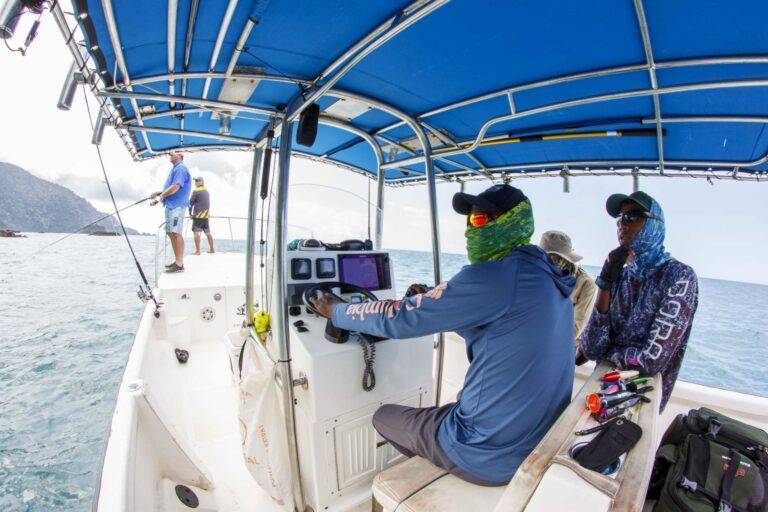
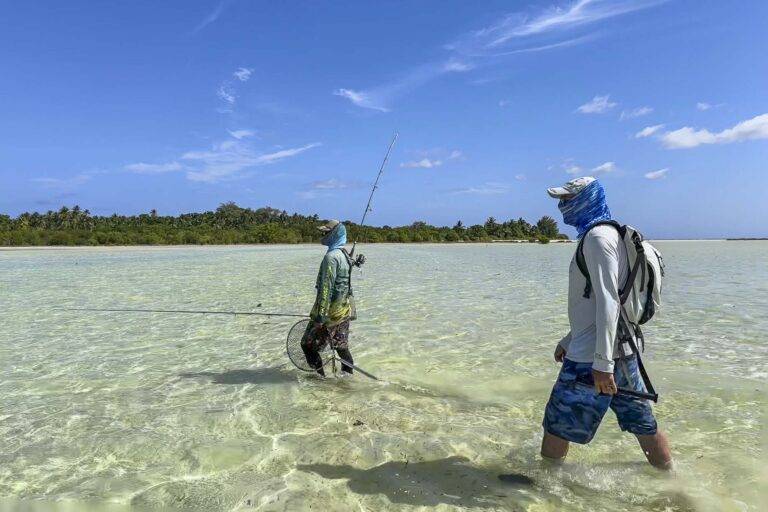
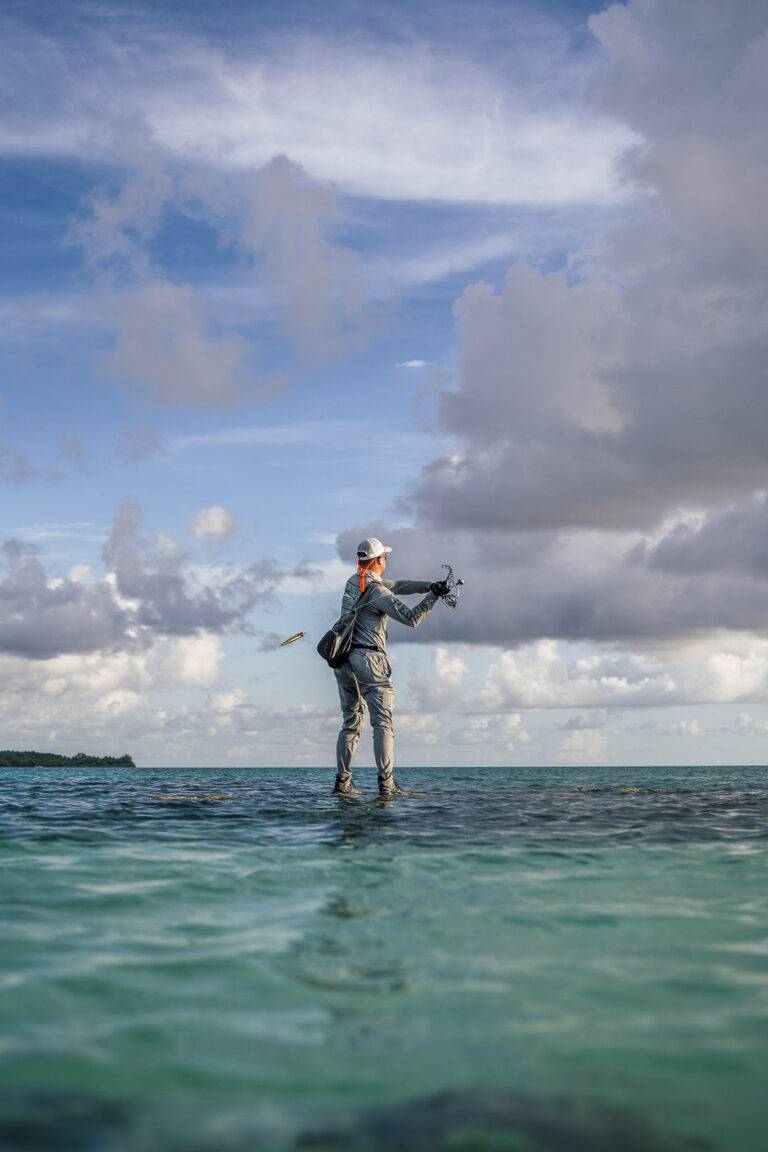
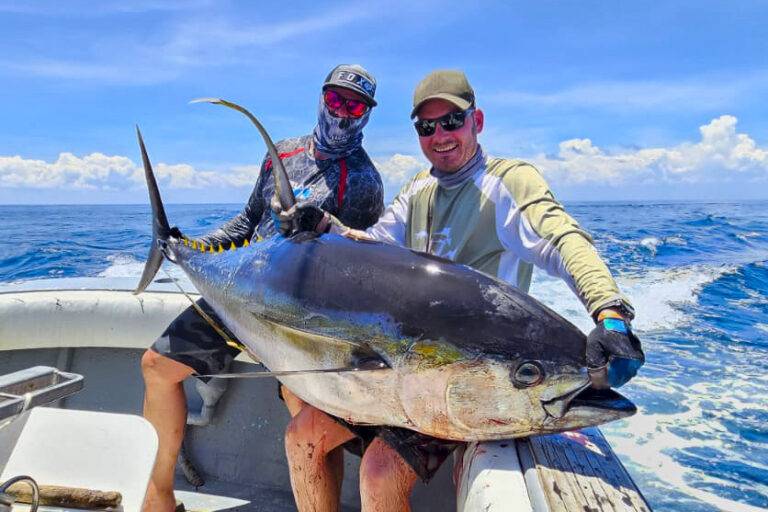
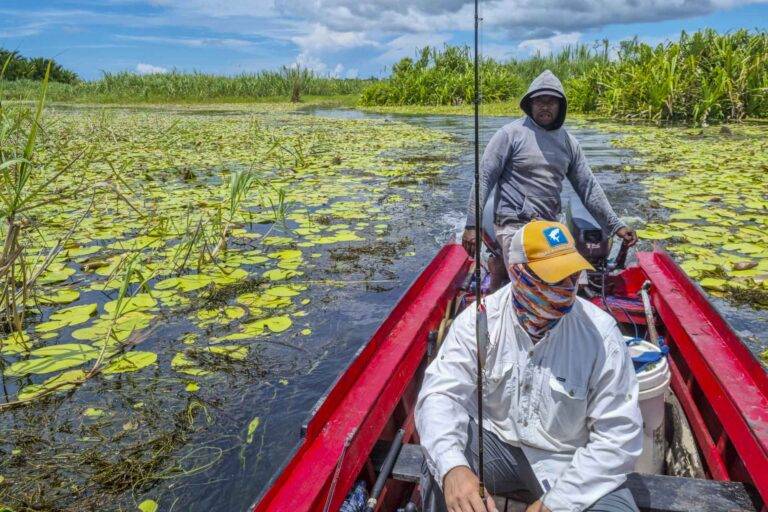
The choice of clothing affects comfort, safety and performance when fishing. UV-resistant shirts with long sleeves protect against sunburn and insect bites and are significantly more effective than short clothing.
A buff or tube scarf protects your neck and face, while a hat or cap provides additional shade. High-quality sunscreen should be reapplied regularly. A lightweight rain jacket is also a must, as weather changes can occur suddenly in many regions.
Underwear should be close-fitting and quick-drying to prevent chafing during long walks or wading.
Shoes for various applications
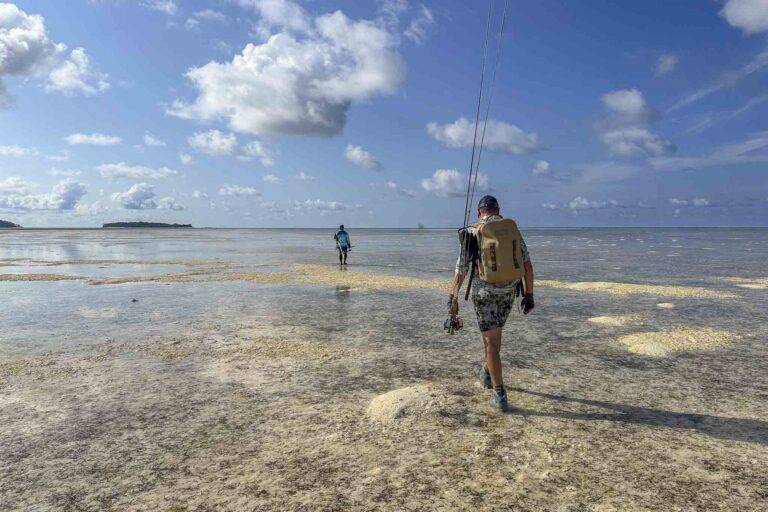
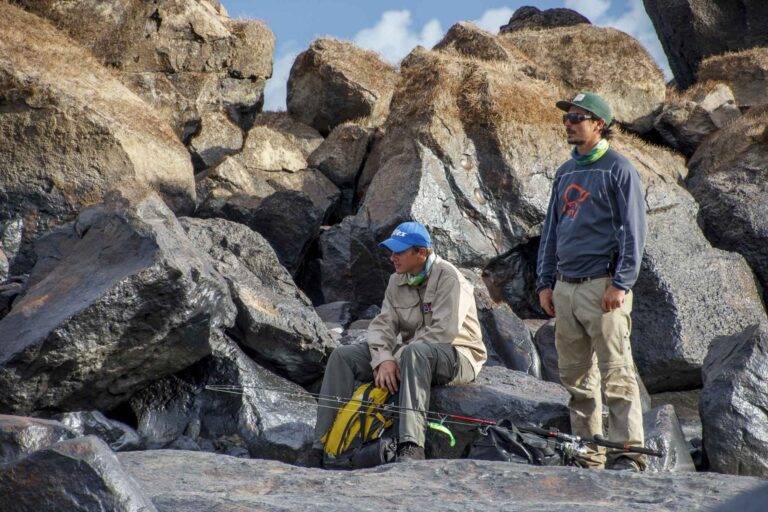
Good footwear is particularly important on fishing trips. In the rainforest or in mountainous regions, sturdy hiking boots offer protection against injuries and provide grip on slippery surfaces.
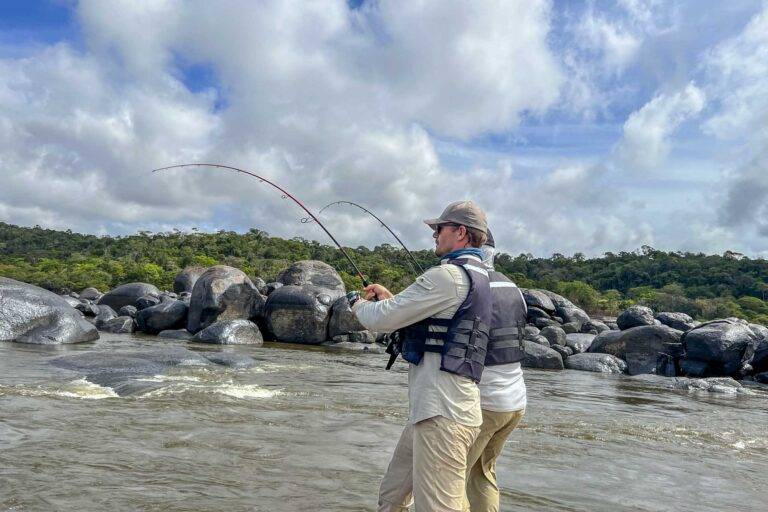
On boats, non-slip shoes or bare feet are often preferred to ensure a secure footing. When wading, special surf shoes with hard soles are useful as they protect against stones, shells and sharp surfaces.
Moisture and packing organisation
Moisture is one of the greatest dangers to equipment and clothing. Vacuum bags help to save space and protect textiles from moisture.
Organising your luggage by theme makes everyday life on the go easier. If you pack your clothing, fishing equipment and leisurewear separately, you will find what you need more quickly. After each trip, all items should be dried as thoroughly as possible to prevent odours, mould and damage to materials.

Additional equipment and comfort items
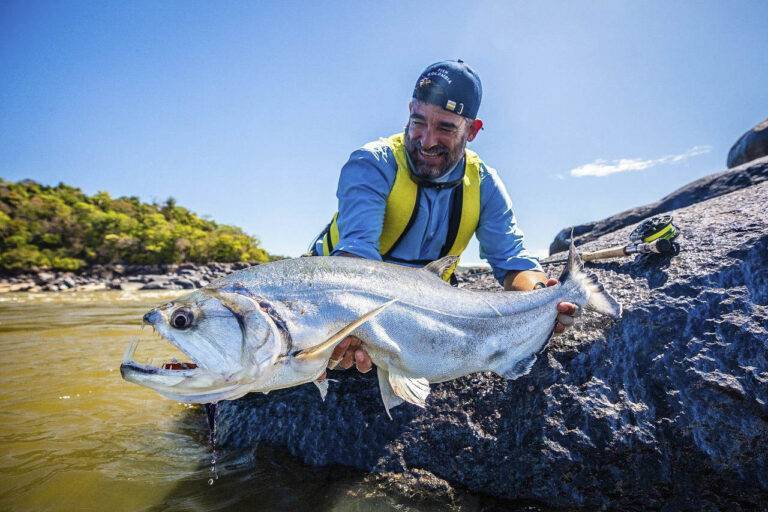
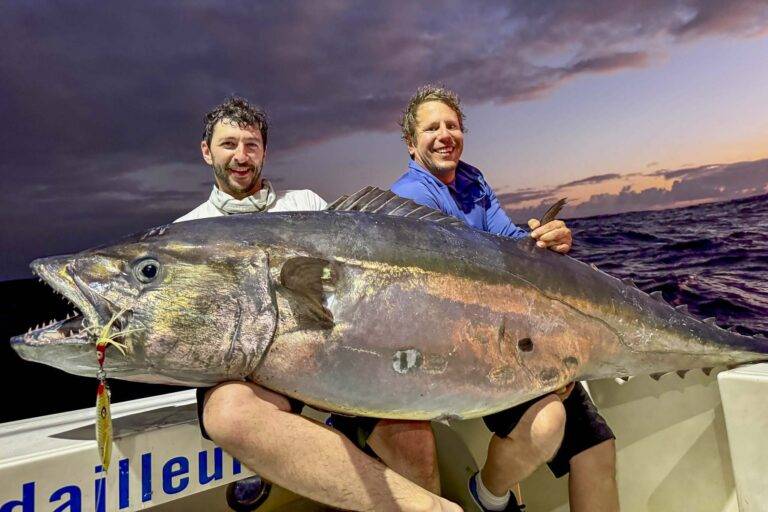
Many small aids may seem insignificant at first glance, but prove to be extremely practical when you are out and about. Gloves protect your fingers when jigging, seat cushions increase comfort on long boat trips, and simple repair materials help with minor defects. Such extras weigh little, but can make everyday travel much more pleasant.
Health and first-aid kit
Health preparation is an essential part of any fishing trip. In remote areas, medical care is often limited.
A well-stocked first-aid kit should contain remedies for injuries, infections, gastrointestinal problems and pain. Electrolytes help to compensate for fluid loss in high temperatures and prevent exhaustion. Proven repellents protect against insect bites and mosquitoes.
Tips for preventing seasickness
Seasickness affects even experienced anglers and can ruin an entire trip. However, with the right preparation, the risk can be significantly reduced.
Medication or patches from your doctor are very effective. During the trip, it helps to focus on the horizon, stay in the fresh air and eat light meals. Alcohol and heavy foods should be avoided.
Further practical helpers
In addition to classic equipment, there are numerous small items that provide valuable services in everyday travel. Headlamps, multi-tools, waterproof bags and microfibre towels increase flexibility and ensure that you are prepared for unexpected situations.
Conclusion
A well-prepared fishing holiday is more enjoyable and saves a lot of problems. With the right luggage, well-thought-out equipment, suitable clothing and clever travel tips, you will be prepared for almost any situation. This allows you to concentrate fully on what really matters: good fishing, strong fish and unforgettable experiences.
Good luck and have a safe journey!
Check out our other fishing travel blogs with more interesting topics!