Kenya
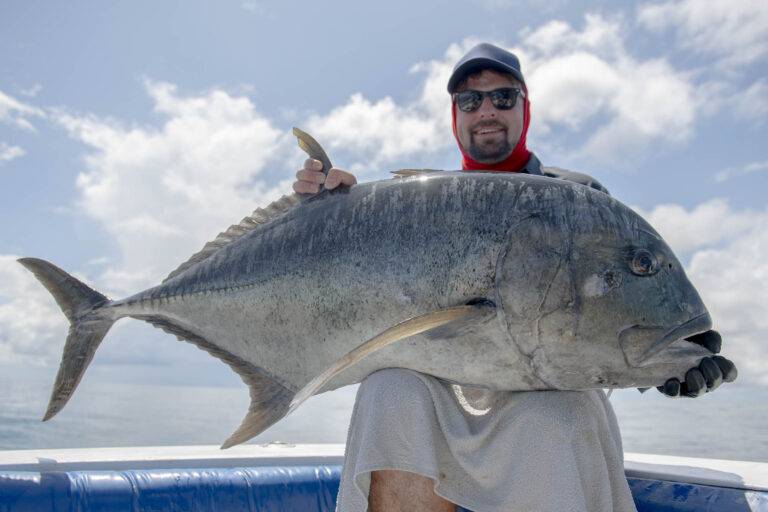
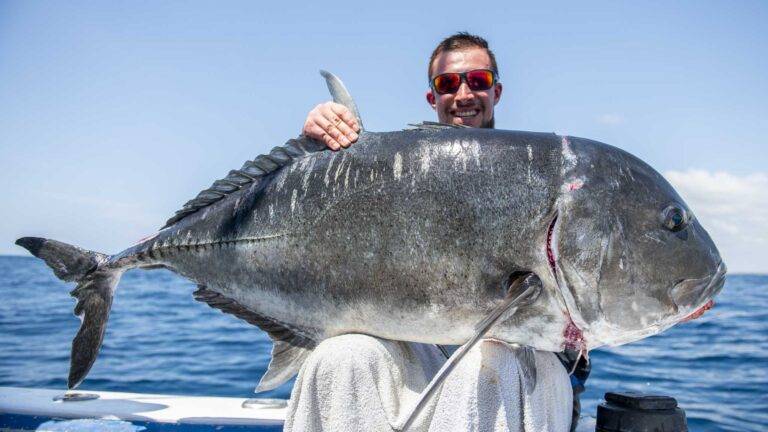
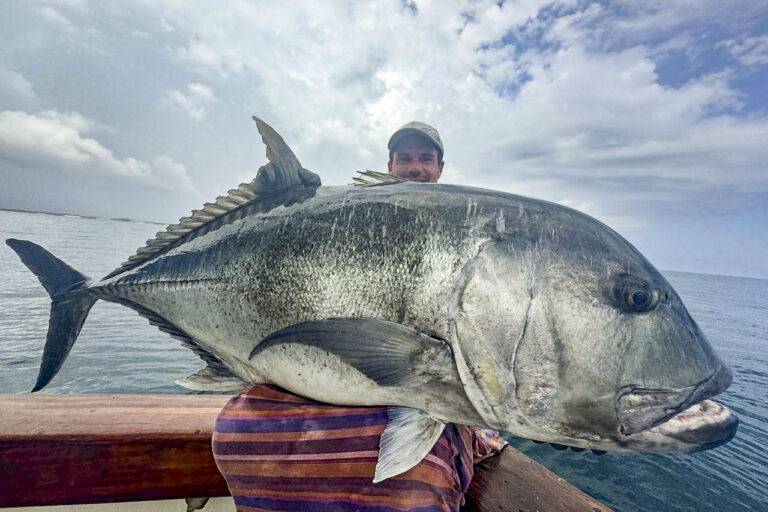
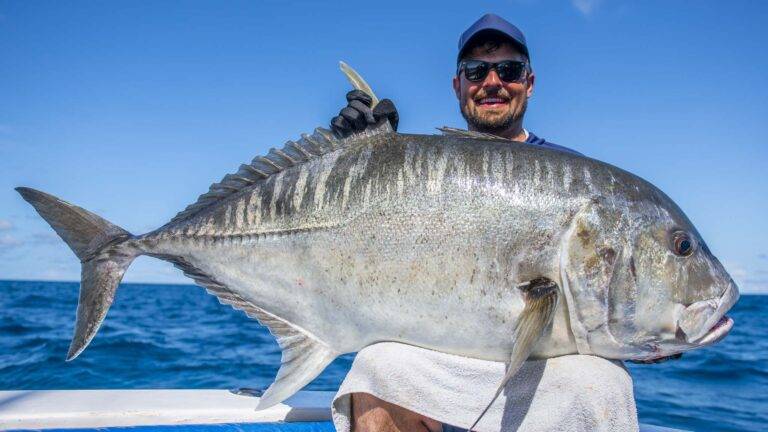
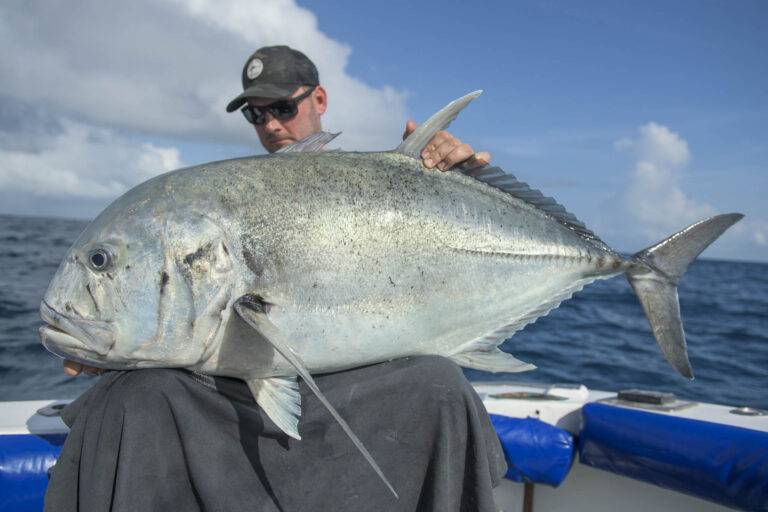
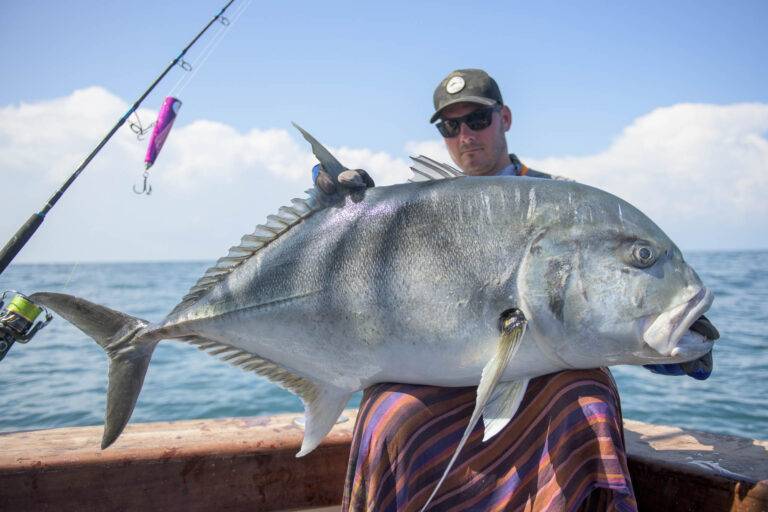
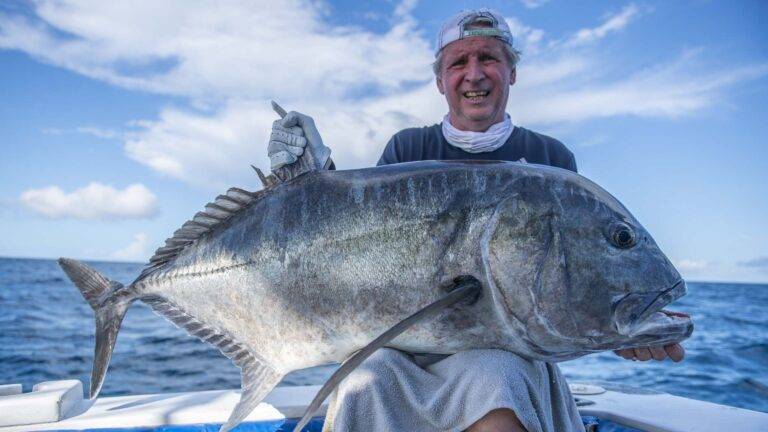
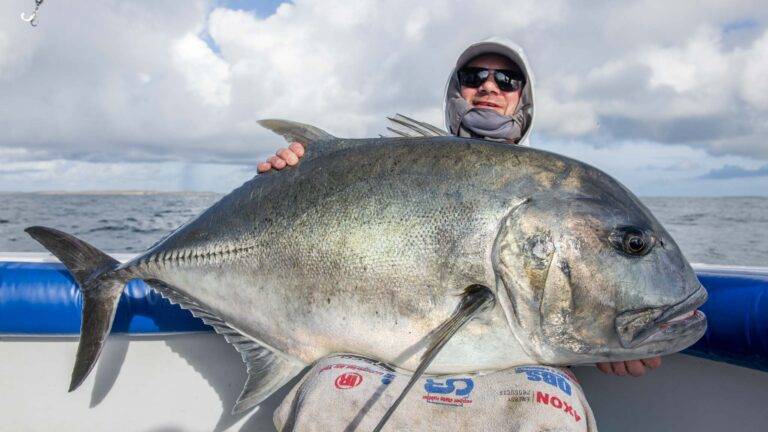
Land of Giants
Kenya Fishing Holiday
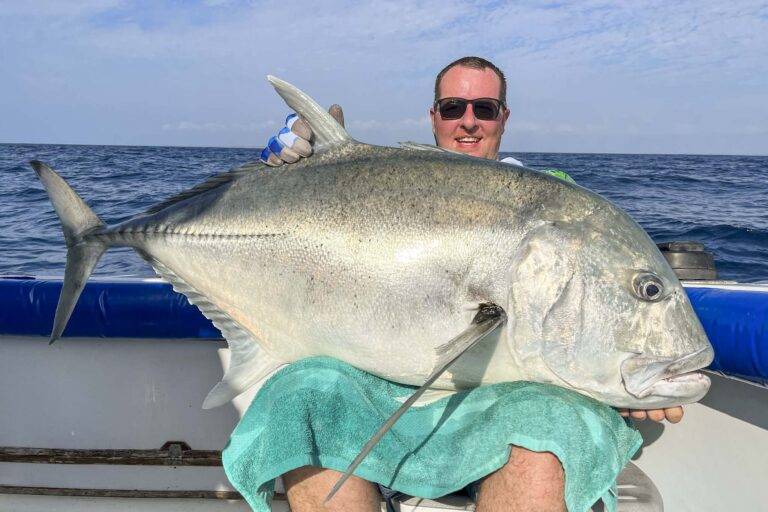
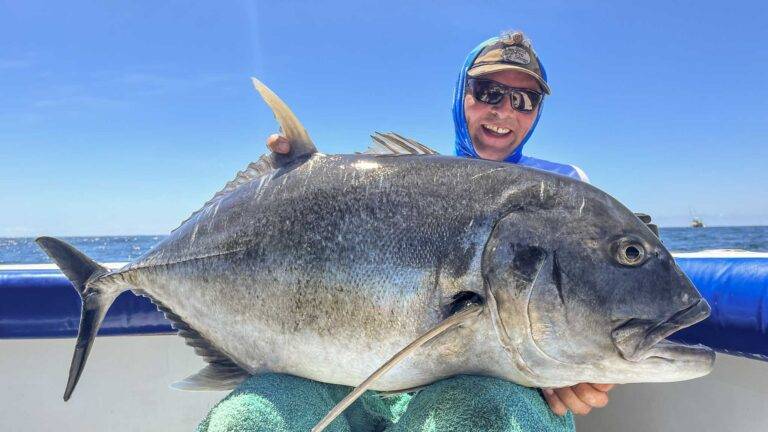
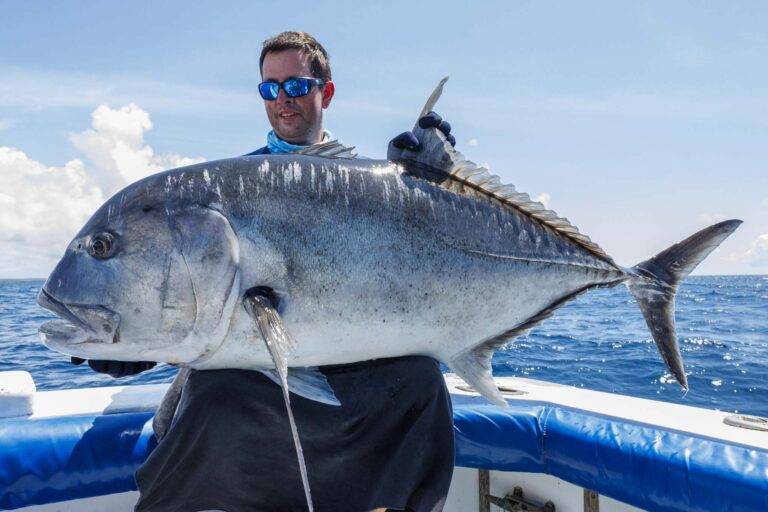
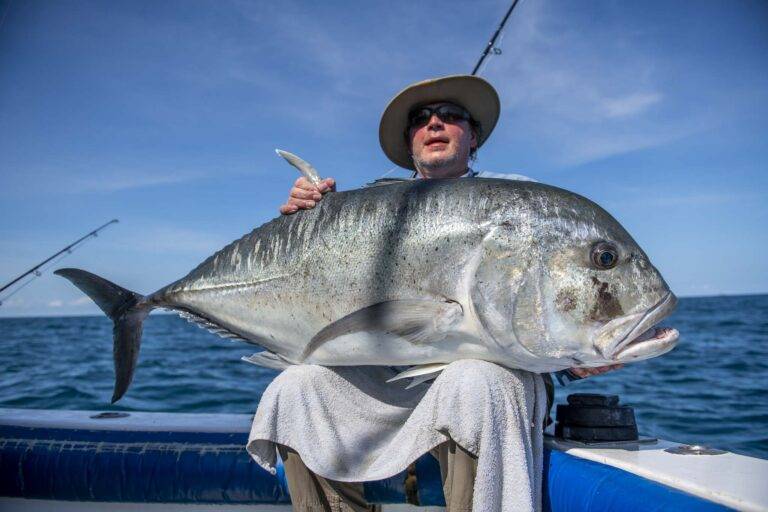
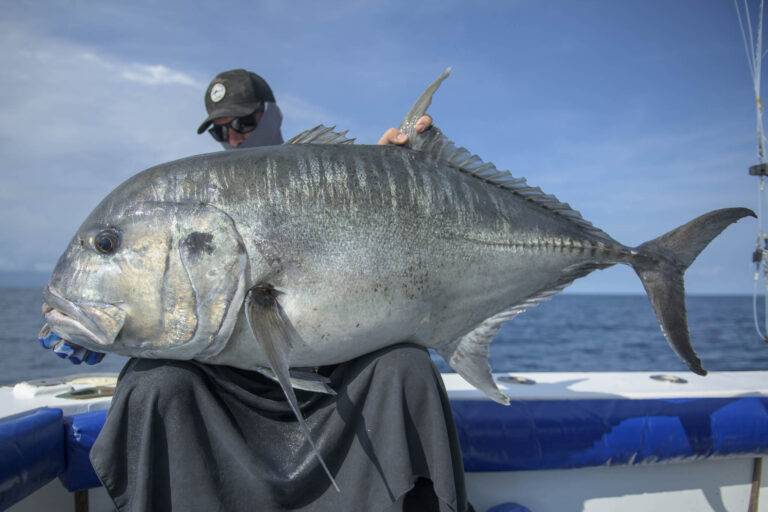
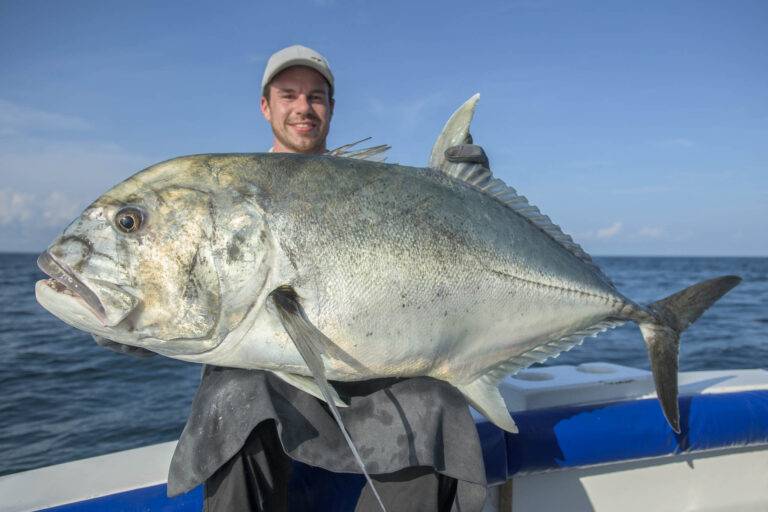
GT Popping in Kenya
Your Kenya fishing trip begins with the flight to Nairobi. On arrival, one of our airport representatives will meet you inside the terminal and assist you through passport control and customs. Your transfer will be waiting outside to take you to the Tamarind Tree Hotel, approximately 30 minutes away. Here, you can check in and relax in comfort.
The following day, you’ll be collected around midday for the short, 15-minute drive to Wilson Airport, where you’ll catch your flight to Lamu.
Please note: your baggage allowance is 32 kg. If you’d like to bring a rod tube, this can be booked in advance for USD 40 for the return journey. The rod tube and its contents must not exceed 20 kg in total.
The flight from Nairobi’s Wilson Airport to Lamu takes approximately an hour and a half. On arrival, a member of our team will meet you at the airport and take you by boat to Shela, a journey of around 30 minutes. From there, we’ll walk through the village’s narrow streets to the hotel, with porters on hand to carry your luggage.
Once you’ve checked into your own room at the simple hotel, you can use the spacious outdoor area by the pool to prepare your tackle for the days ahead. Every guest has a room to themselves.
For dinner, we’ll take you to Peponi Restaurant, one of East Africa’s best seafood restaurants. Enjoy!
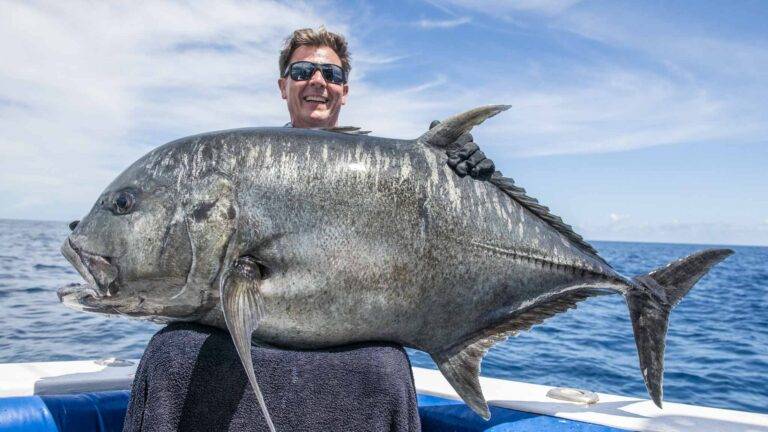
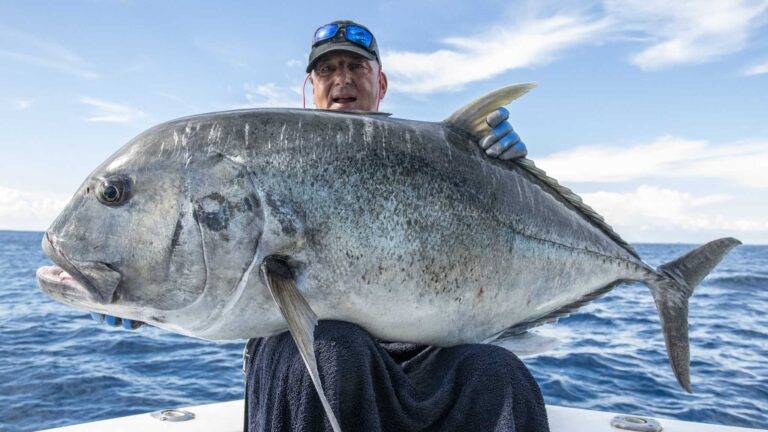


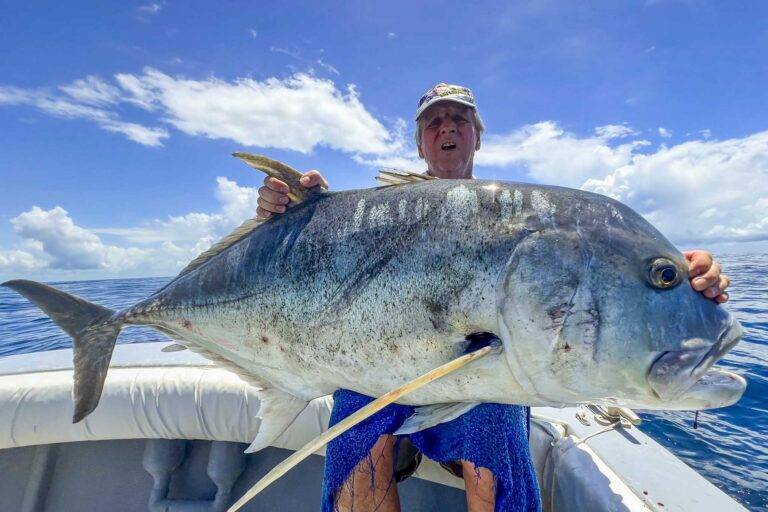
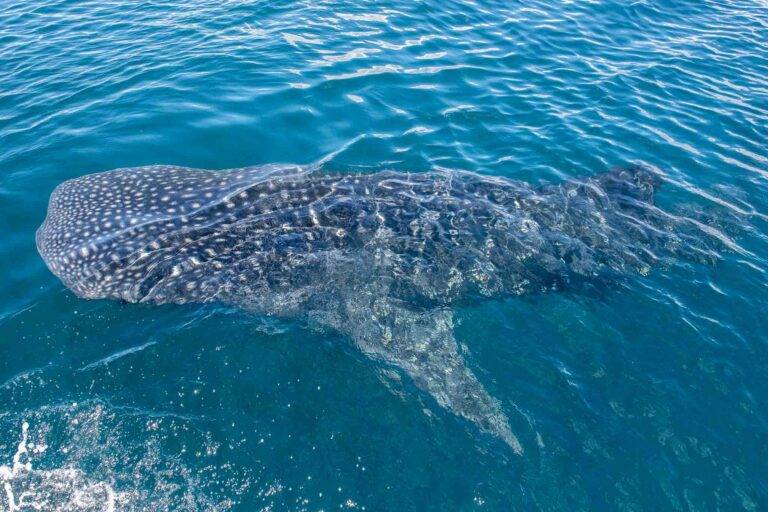
The Fishing
Fishing days usually begin between 6.30 and 6.45 am and last around ten hours. You’ll be back in Shela between 4.30 and 5.00 pm.
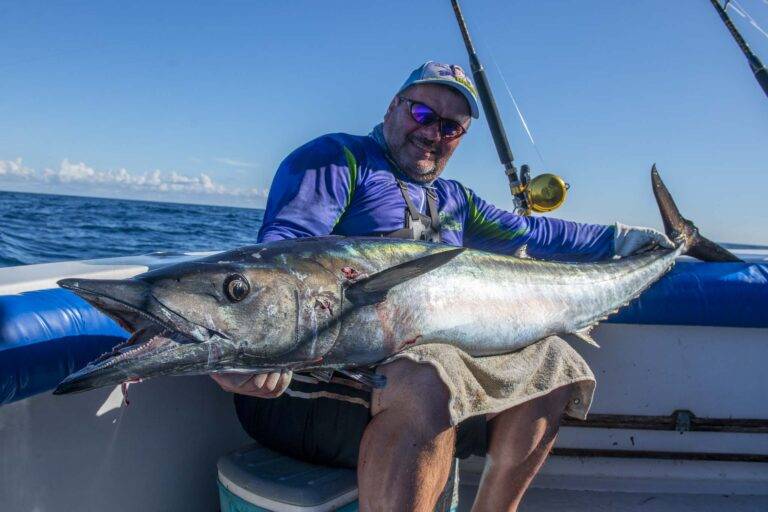
For the first two days, you’ll fish from Shela. As the first jigging and popping spots are some distance away, we’ll start by trolling on the way out. Depending on the season, you’ll have a good chance of catching sailfish, marlin, wahoo and other species. Once we reach the fishing grounds, the current, wind and tide will determine whether we jig or pop. Each day offers the chance to try a variety of fishing techniques.
The fishing spots are often miles apart, so we also troll as we move between them. Our guests have always welcomed the chance to take a break from popping and jigging, and we’ve caught marlin and sailfish on these journeys too. You should expect to spend around two to four hours a day trolling.
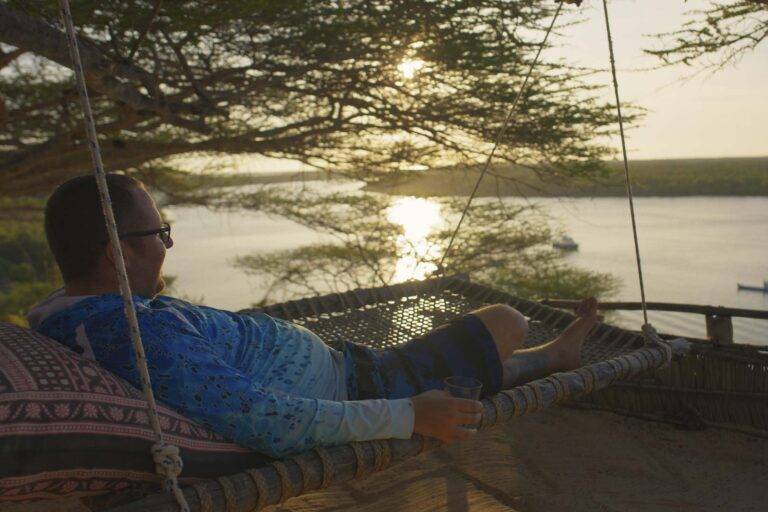
On the third fishing day, you’ll head north. In March, you can choose to troll for marlin along the way – a journey that has previously provided excellent opportunities to catch one of the ocean’s largest fish. It takes around four hours to reach the new fishing grounds. In the evening, you’ll arrive at our basic camp on a remote island, where you can enjoy views of the mangrove forests and the camp’s unique atmosphere. Accommodation here is in shared rooms, with two guests per room.
The following day, you’ll explore the new fishing grounds before heading south again on the fifth day. Once you arrive back in Lamu, you’ll spend the night at our basic hotel. On your final fishing day, you’ll head out from Lamu once more.
The departure
On your departure day, you’ll leave the hotel at around 2.45 pm and catch your flight back to Nairobi at approximately 4.45 pm. You’ll arrive at Wilson Airport at around 7.00 pm, where your transfer will be waiting to take you to the international airport.
Please remember to book your flights with us. Your international flight home must depart no earlier than 10.30 pm.



Baggage regulation - Domestic Flight
We have booked additional baggage for you on this trip, bringing your total allowance to 32 kg. On domestic flights, this allowance can be spread across any number of bags, although we recommend travelling with as few as possible.
If you plan to bring a rod tube, please register it with us in advance. The charge is USD 40 for both flights combined. The rod tube and its contents must not exceed 20 kg.
- Luggage allowance: max. 32kg for ALL pieces of luggage
- Rodcase: max. 20kg
- Costs for a rodcase: 40USD total
Kenya Fishing - Season Differences
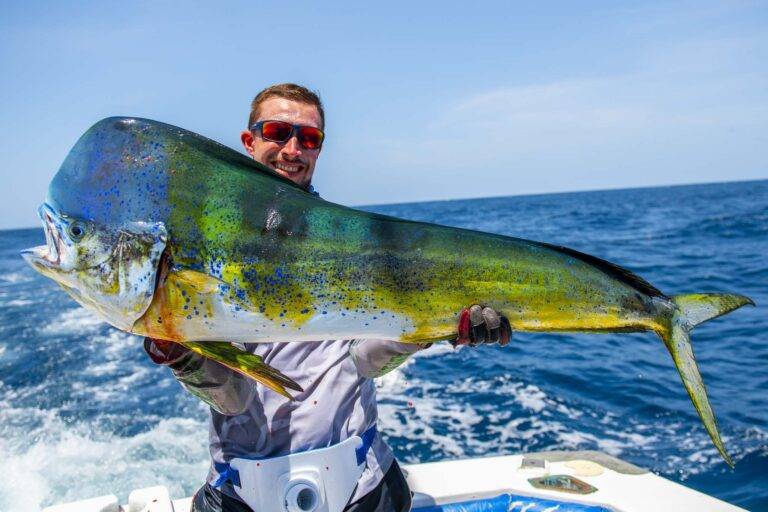
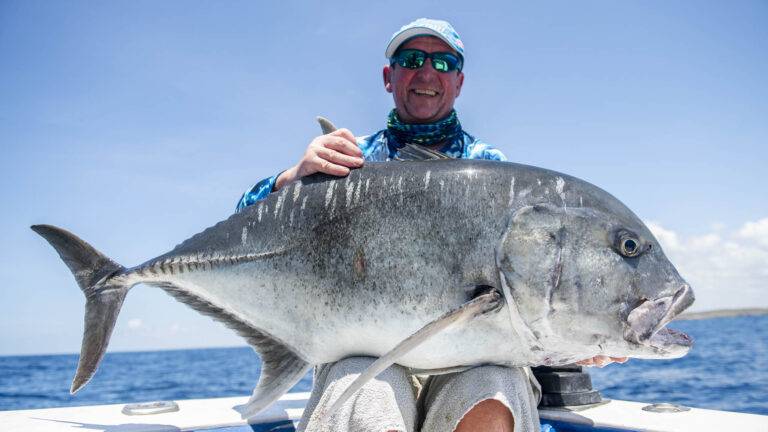
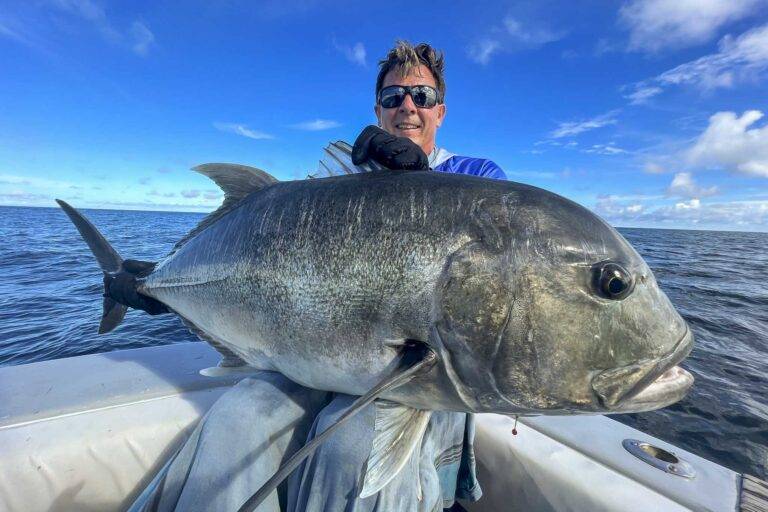
Generally, there is little difference between March and November when it comes to GT fishing in Kenya. Giant trevally are present in both seasons and can be caught by jigging and popping. For other large species, however, the seasons differ.
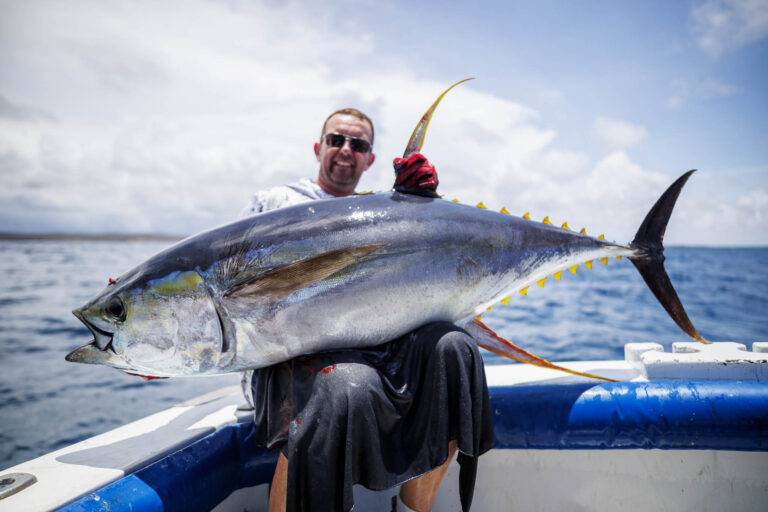
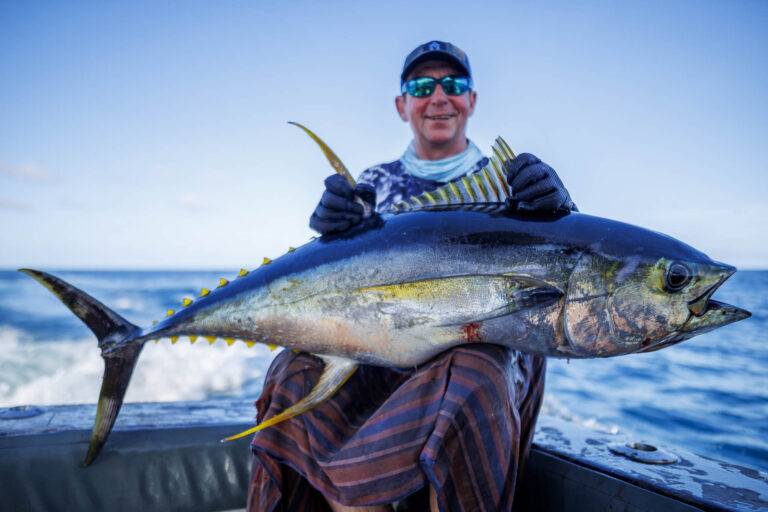
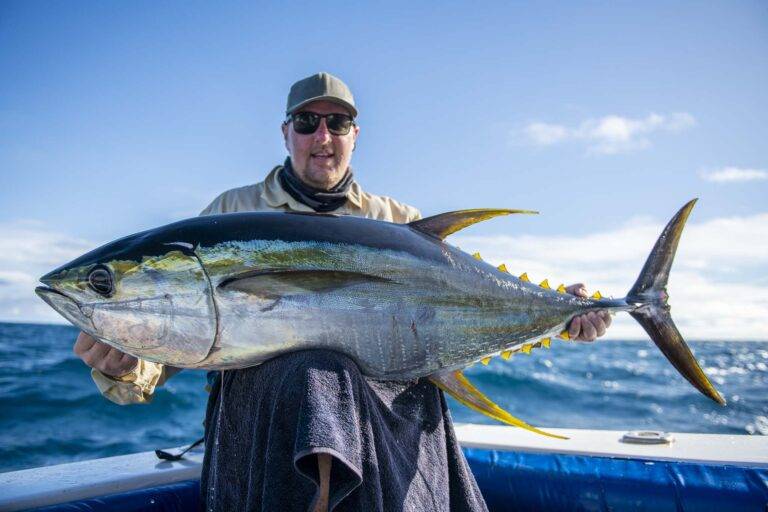
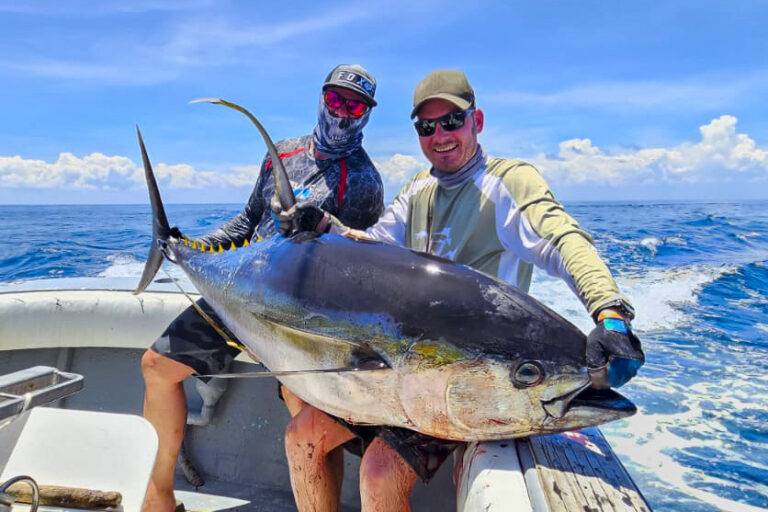
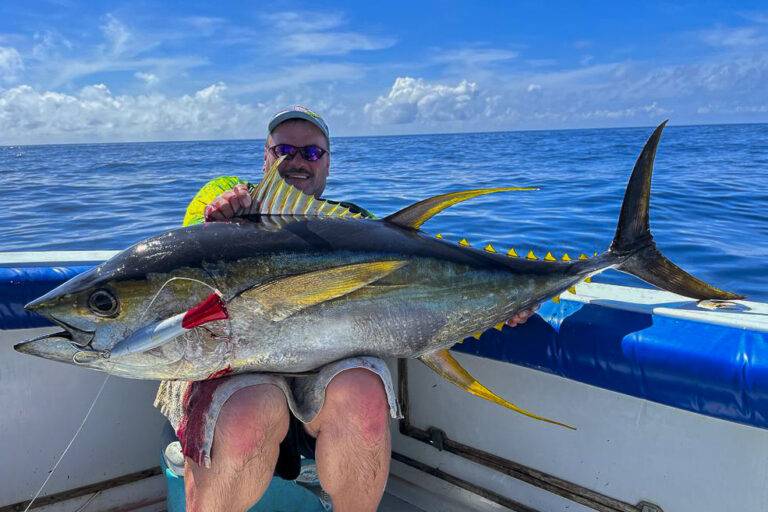
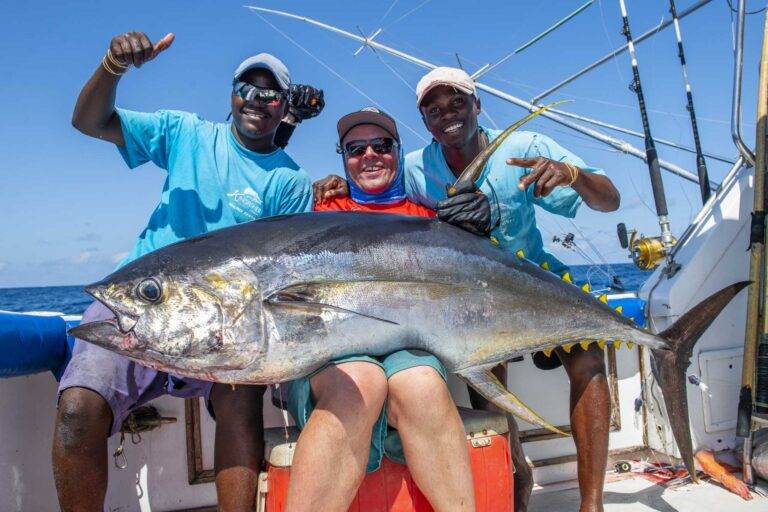
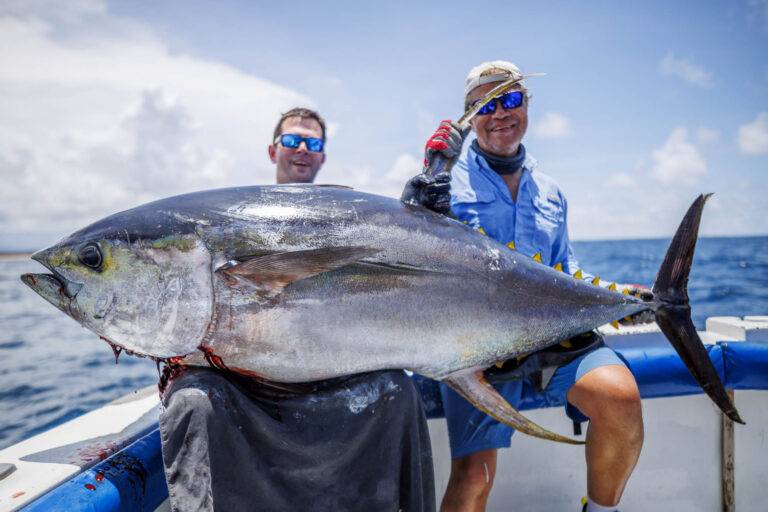
March is marlin and tuna season. Depending on the currents and wind conditions, you have a good chance of catching both, although their presence in the area cannot be guaranteed.
Tuna are also found in November, but they are much less common and tend to be smaller. Marlin are absent in November, but sailfish are plentiful, making it one of the best months for sailfishing in Kenya. Kingfish are also more common at this time of year.
Jigging is excellent in both seasons. The target species are the same, but the fishing spots differ. In March, we mainly jig at depths of 50–100 metres, while in November we often fish in 30–70 metres.
- Fish species in March: GT, marlin, sailfish, tuna…
- Fish species in November: GT, sailfish, kingfish…
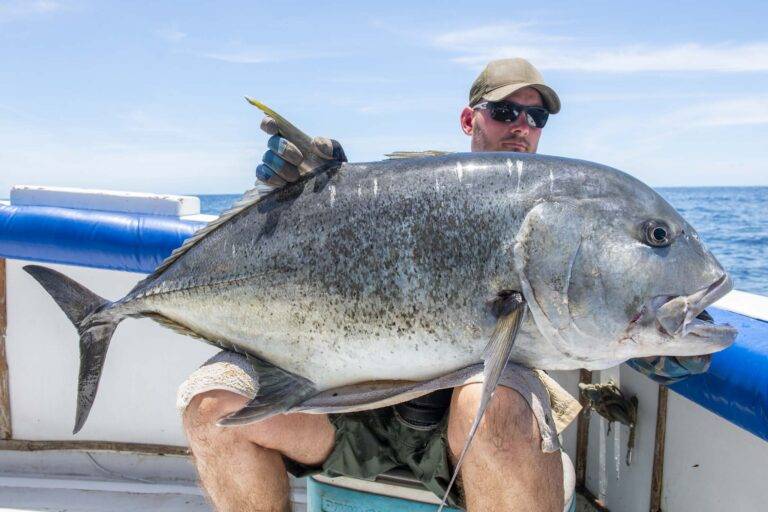
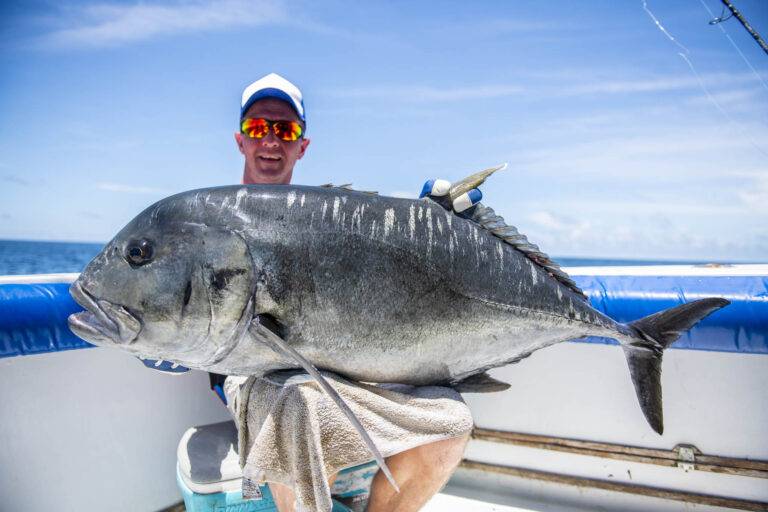
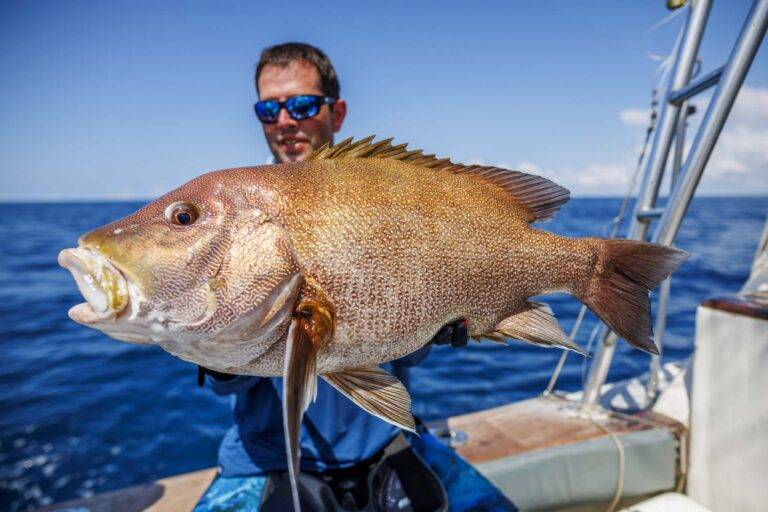
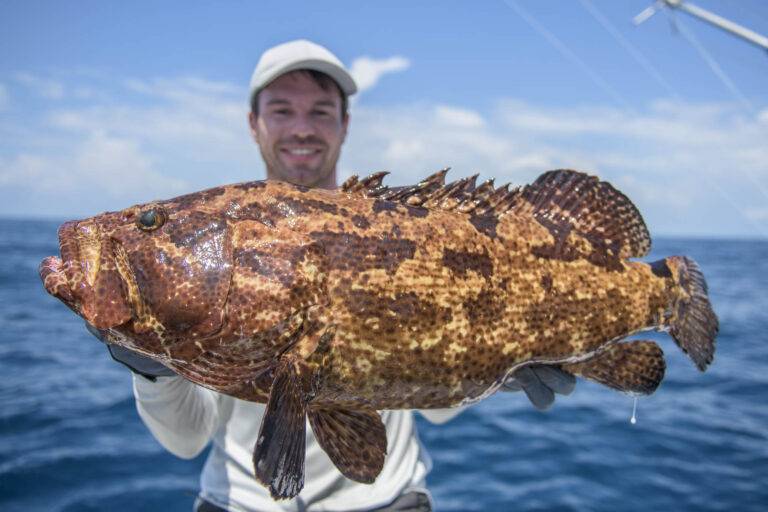
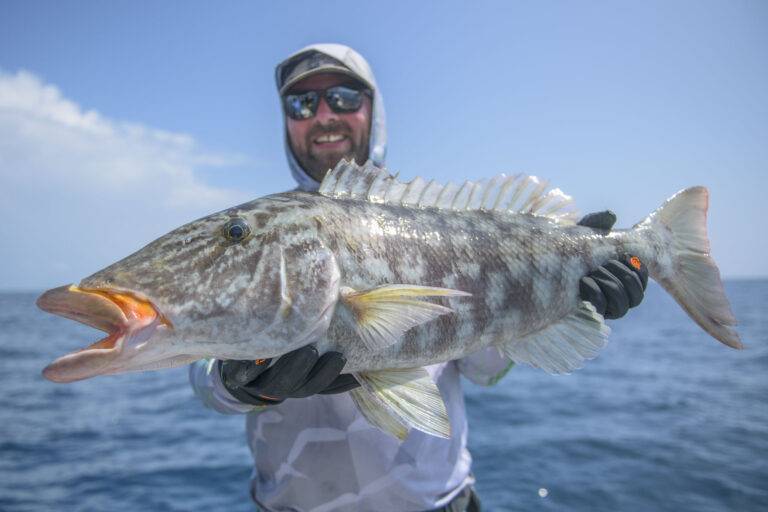
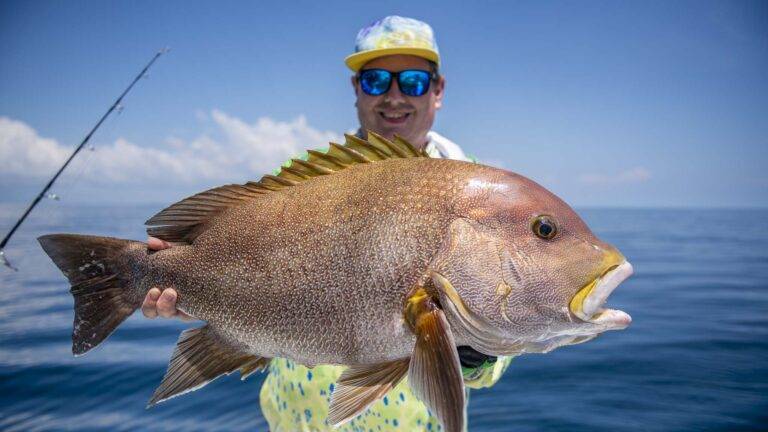
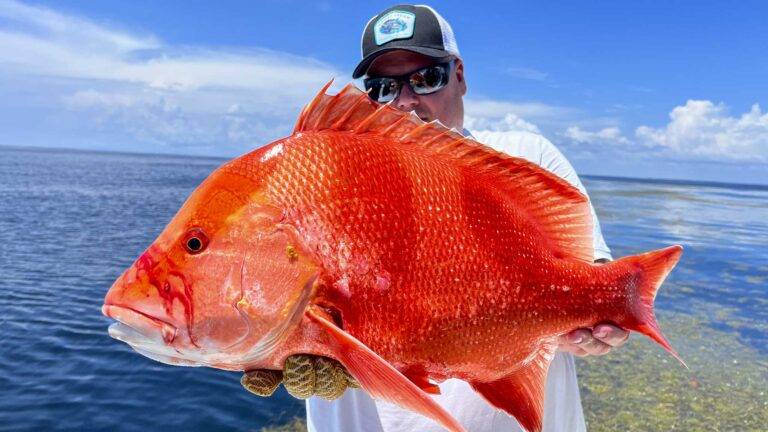
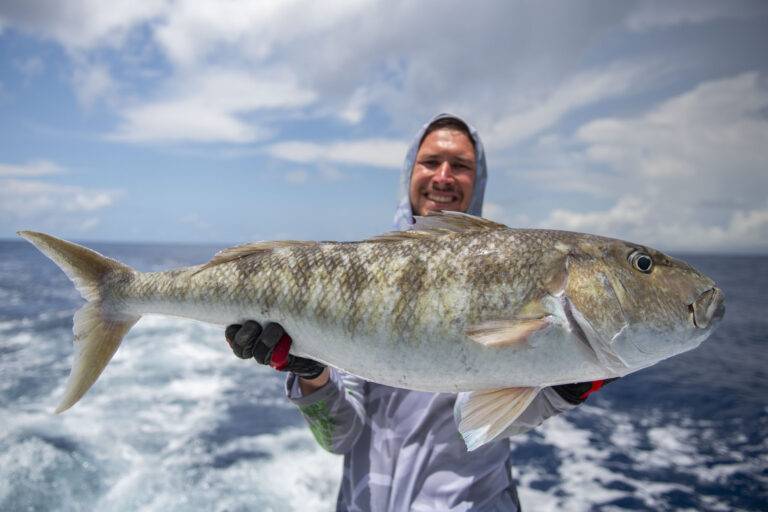
- Fish species while jigging: GT, Grouper, Snapper, Kingfish, various Trevally species, sharks…


Accommodation during your Kenya fishing trip!
The accommodation
Nairobi
Tamarind Tree Hotel
The Tamarind Tree Hotel is a four-star business hotel conveniently located near Wilson Airport, where you’ll catch your onward flight to Lamu.
We’ve chosen this hotel for its excellent location. Please let us know before your trip whether you’d prefer a single or double room.
We’ll arrange the booking for you, and you can pay for your room by credit card at the hotel.
Catering
Meals: breakfast included
Drinks: Your drinks can be paid for on site after consumption
Shela
Janattan Hotel
The Janattan Hotel in Shela is a very simple hotel built in the traditional local style, just a five-minute walk from Peponi Restaurant and the boats.
We have reserved a single room for you at the hotel.
The rooms have ceiling fans, private bathrooms, mosquito nets and a terrace. There is also a shared swimming pool in the courtyard.
Catering
Meals: breakfast included
Drinks: Your drinks can be paid for on site after consumption
Your fishing camp
Camp in the North
Our northern camp is a traditional safari camp on a remote island.
It has a spacious communal area and ten separate chalets. As permanent building materials are not permitted on the island, all chalets are built from wood and woven palm mats.
Each chalet has a private bathroom with a shower.
Catering
Meals: breakfast included
Drinks: Your drinks can be paid for on site after consumption
Your big game fishing boats in Kenya
The Boats
In Kenya, we have two big-game fishing boats available, each with ample space for three anglers. Both boats have seating and lounging areas, along with a spacious stern for fishing. Anglers with good balance can also fish from the bow.
Captain Angus Paul
Neptune
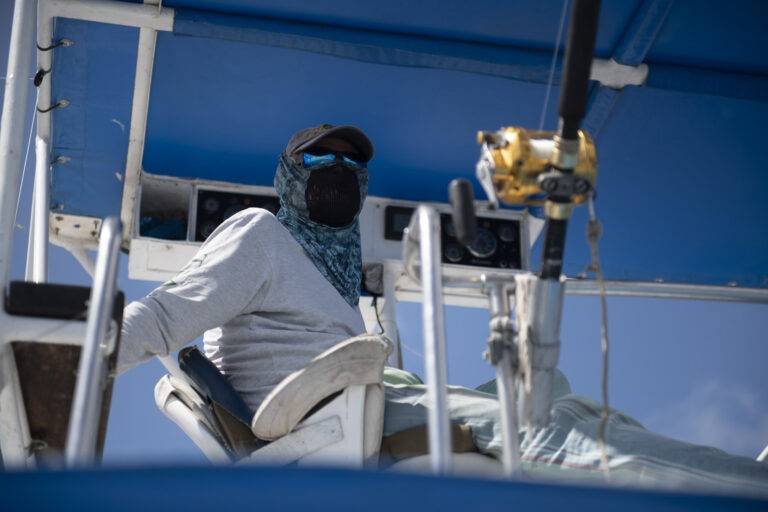
Neptune is a 35-foot Bertram captained by Angus Paul, who has set numerous records and is widely regarded as one of Africa’s best skippers. Angus pioneered GT fishing in Kenya and is the country’s most experienced GT guide.
The spacious stern provides room for three or four anglers to fish comfortably, with padded rails for added comfort. There is also a casting cage at the bow.
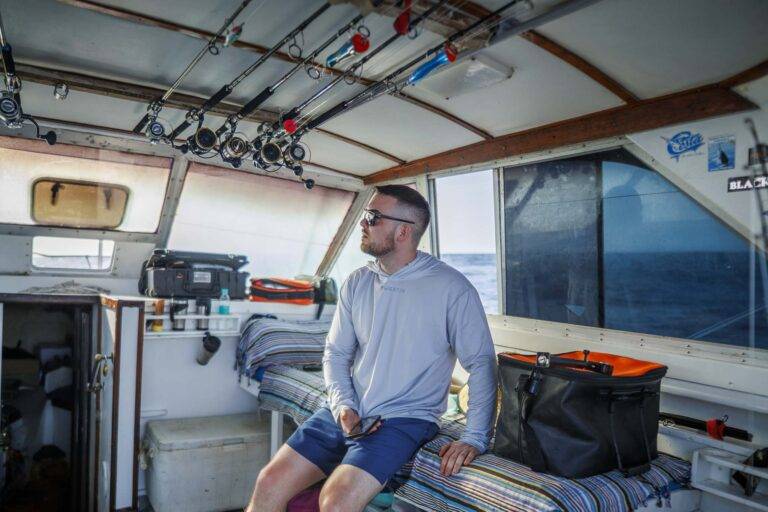
Inside, you’ll find several seating and lounging areas where you can relax in the shade with a cold drink between catches. Unlimited drinks are included throughout your fishing trip.
Captain Arran Paul
Albatross
Albatross is a 33-foot Blackfin that recently joined the Kingfisher fleet and has been completely refurbished from top to bottom. Her skipper, Arran Paul, is Angus’s son and has been a successful captain in Kenya for many years.
The stern has room for three anglers and, like Neptune, features padded rails to lean against. Anglers with good balance can also fish from the bow, although we only recommend this in calm conditions.
The seating area has two long benches and is shaded for most of the day. Albatross is equipped with the latest Simrad echo sounder technology, as well as an autopilot and radio.
You need this fishing gear in Kenya!
Tackle Talk
In Kenya, you have the chance to catch truly enormous GTs, tuna and other species, so it is extremely important to follow our tackle recommendations. You’ll be fishing for six days with the chance of landing the fish of a lifetime – don’t risk losing it because of faulty equipment or unsuitable tackle!
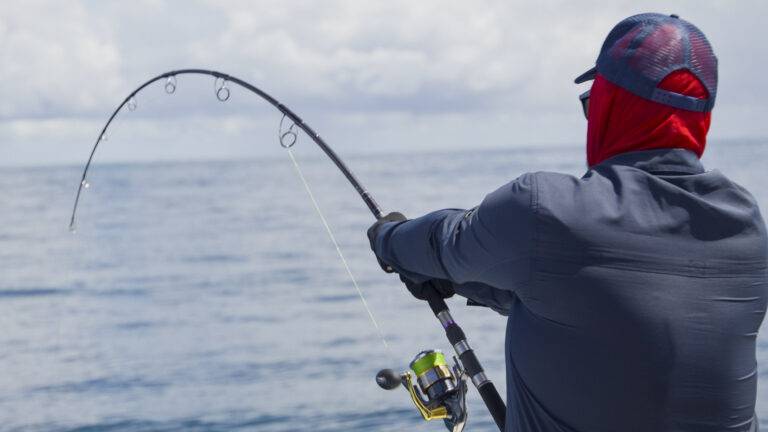
- Popper Rods: PE10 / PE12 (March for Tuna)
- Popper Reels: 18k size, Gear Ratio min. 5,7:1
- Jigging Rods: PE 4-6 & PE 6-8
- Jigging Reels: 14k-20k size, Gear Ratio 4,4:1
- Trolling Rods: Included on both boats!
- Popper GT: from 20cm, 150-180g, big heads
- Popper Tuna: 16-20cm, small - medium head
- Jigs: 100 - 250g, butterfly, long butterfly shape
- Jig Colors: pink, silver, blue-green, orange, zebra
You need these poppers in Kenya!
Popper / Stickbaits
In Kenya, most people are quite deep in the ground. This means that you should fish a loud popper. If you’re fishing for large GTs, the poppers should be at least 20cm long and weigh 150-180g. Big heads are a must!
In recent years, top poppers like the Blaze Garage Sraththa, Heru Cubera, ReefsEDGE or Amegari Dzanga, Craft Bait GT-3, have shown what they can do on GT.
You need to use poppers with small heads if you want to use them on tuna. The Halco Haymaker 195 or River2Sea Dumbbell Pop have proven themselves in the past!
Stickbaits are not usually very effective. The only stickbaits that work on GT in Kenya are large, from 20cm long walk-the-dog and skiplures. Jack Fin and Amegari have some models available, for example the Argo 240-F, the Pelagus 200-F and the Kaxu 240-F.
You need these jigs in Kenya!
Jigs
If you want to go jigging in Kenya, you’ll need a good selection of 100-250g jigs. In recent years, butterfly shapes, as well as shapes that are long but not too thin, have been very successful. Jigs from Major Craft (Jigpara), Pela Jigs, Sakura Orion Jigs and River2Sea Sea Rocks worked really well here. But also jigs from low-cost providers like AliExpress or Temu have caught on.
Pink, silver, blue-green, orange and zebra patterns are all great colours to use. All assistant leaders must have an octopus! This makes it more attractive and increases the number of fish that take the bait.
The hook size should be between 8/0 and 12/0. You should adjust the hooks depending on the shape and size of the jig. As an assist leader, we suggest using 1.4 mm Kevlar or something that can hold at least 600 lbs.
The best main line and leader for GT fishing!
Leader & main line
For popping, leaders between 220-240lbs are used. When choosing leaders, it’s best to go for quality brands like Fishermen, Varivas, Nomad or Climax.
When you’re jigging, you need a leader that can hold up to 175lbs. The diameter can vary. However, we recommend a diameter of less than 1.0mm.
The main lines should be high-performance PE lines. You will need a PE8 (80 lbs load capacity) at least. If you fish with stronger rods, you can also use PE10 (100lbs load capacity) here. When you’re jigging, we suggest using PE8 (80 lbs load capacity), because you’re more likely to catch a big fish when you’re jigging!
Some good lines are Gosen Diver x8, Daiwa J-Braid x8, JB Line One and other high-performance lines.
Terminal Tackle
Hooks & Terminal Tackle
We can’t compromise on this. Please only bring hooks from the BKK brand. You should bring the GT-Rex hooks without barbs in sizes 5/0 to 7/0. You need a 5/0 or 6/0 BKK GT-Rex with barbs to properly prepare the tuna.
For jigging, we recommend using hooks from the brand VMC (Jigging Assist Hook 7264 BN) in sizes 8/0 – 13/0. For the assist hooks, you should bring rubber octopuses!
The blasting and popping rings should be able to hold at least 220 lbs. Super-Heavy-Duty Snap Rings (Solidrings #7.5 – #9) (Snap Rings #10 – #11) are the best choice here.
Helpful tools for your fishing trip!
Other fishing equipment
It is a good idea to bring a pair of snap ring pliers. We recommend the hPa Game Plier snap ring pliers. This means you can open very strong snap rings easily.
It’s also a good idea to have a waterproof bag for your boat. The company Zeck Fishing has some great bags. We recommend the Tackle Container Pro or the Tackle Container Pro Catfish!
As you will be fishing for several hours, we suggest that you bring a pair of good gloves.
It can get very hot in Kenya, so we suggest you take a UV protection shirt, a sun hat and LF50 sunscreen! You can order our Expeditions UV shirts from us.
Good polarized sunglasses are essential for fishing. We recommend glasses from gloryfy unbreakable. The best polarized sunglasses for anglers currently available are also indestructible!
You can take a closer look at the gloryfy unbreakable polarized sunglasses for anglers here: Polarized Sunglasses for Anglers!
How much does a fishing trip to Kenya costs?
Price
Included
- Tour Leader: Andreas Knausenberger**
- 2 nights in Mikes Camp, DB, FB
- 5 nights in a simple guest house/hotel, SGL, B&B
- Trolling Equipment
- 6 full fishing days, 3 anglers per boat
- Airport- and boat transfers
- Domestic flight Nairobi -> Lamu -> Nairobi
- 12kg extra luggage allowance for domestic flight
- Photo- & Video Documentation**
Not included
- Tips for Crew & Camp Staff* (120€ / 40€)
- International flight & ETA
- 1 night in Nairobi, B&B* (SGL: $155, DBL: $185)
- Travel Insurance*
- Additional extra luggage*
- additional meals and drinks
- Popping- & Jigging Tackle*
- Safari & additional days*
- * optional/exempt **only if the minimum number of participants is reached
Price per person
4199,-€
Extras
upon request
Booking statuses
Kenya - GT popping trip
2026
2027
2028
Kenya Fishing Holiday
The best catches