Piraiba Fishing – How to catch these river monsters!
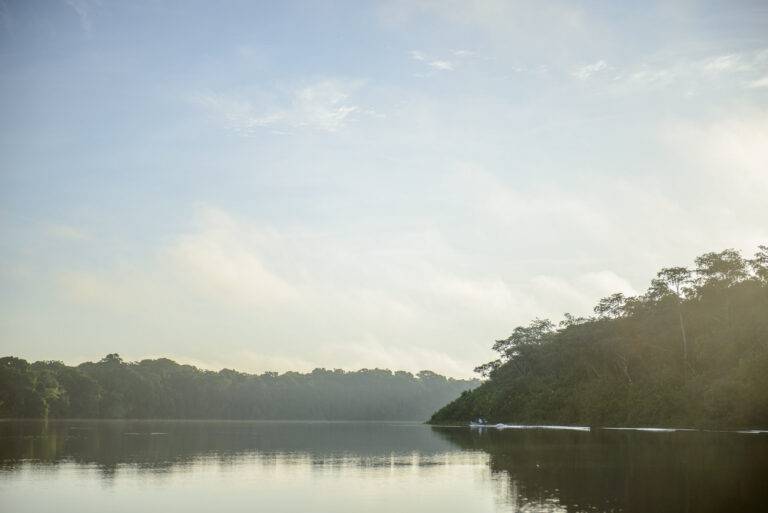
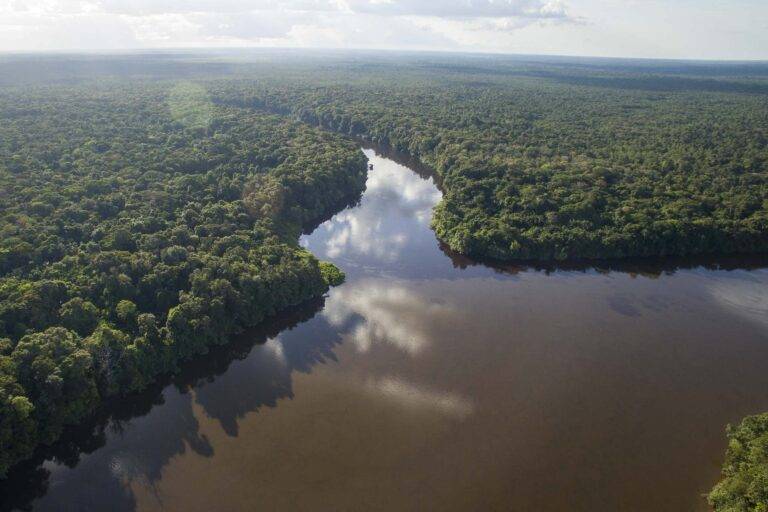
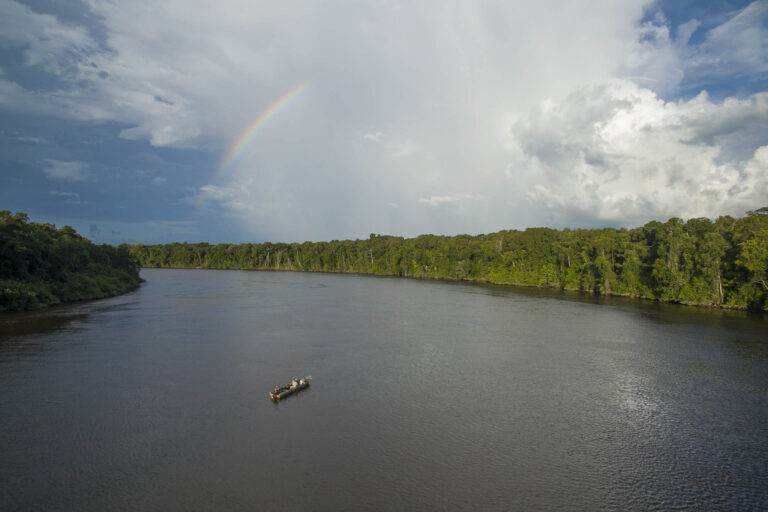
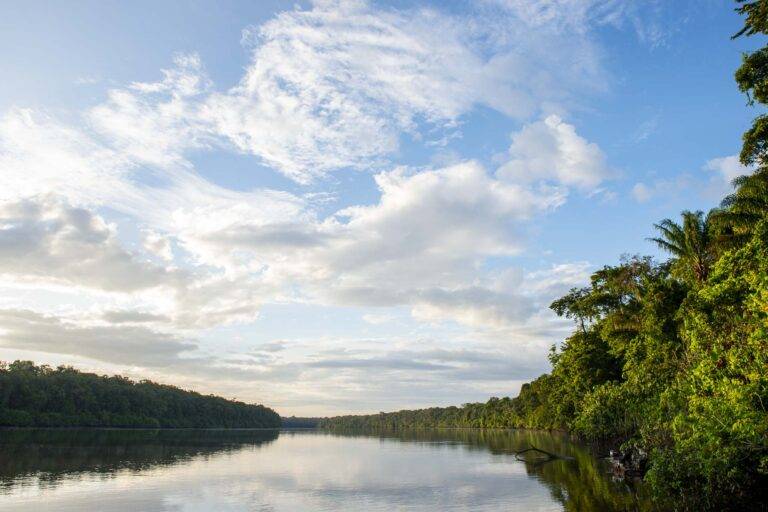
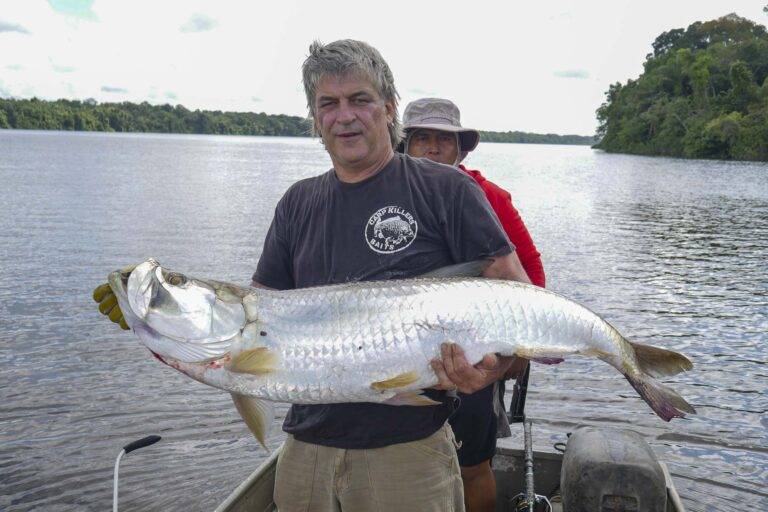
Suriname is still considered an insider’s tip among many anglers. This small country in northern South America consists largely of dense rainforest, criss-crossed by extensive river systems. It is precisely these waters that make the country so appealing to adventure anglers – especially those who are keen on catfish fishing, tropical predatory fish and remote natural areas.
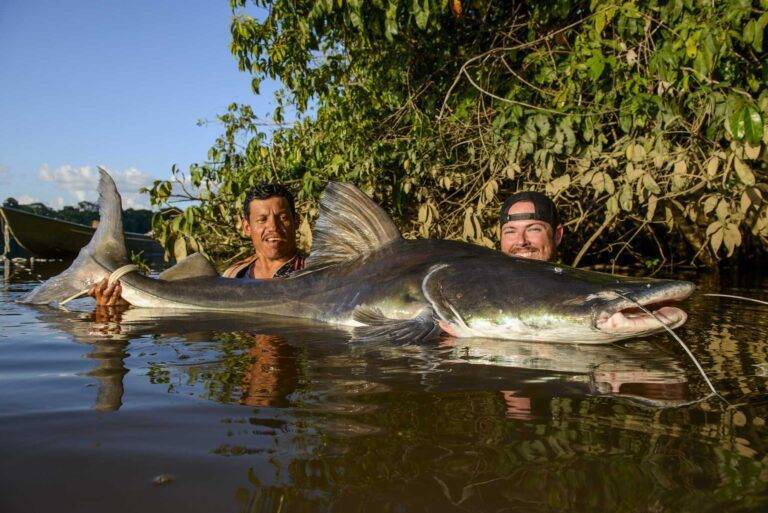
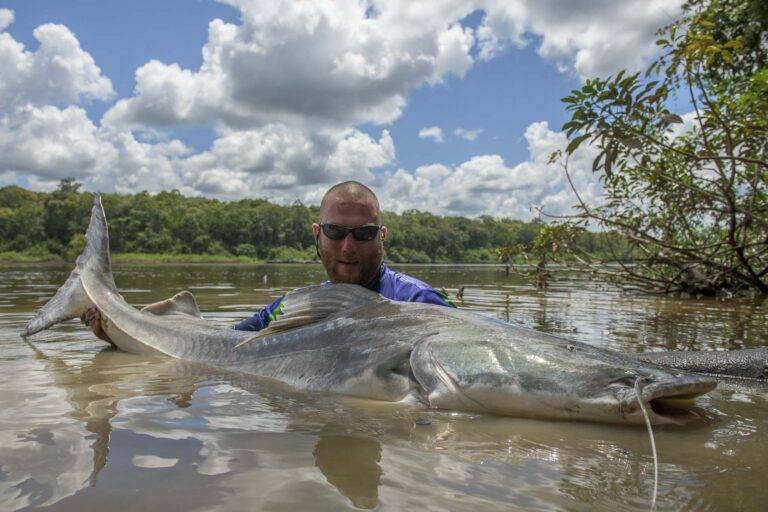
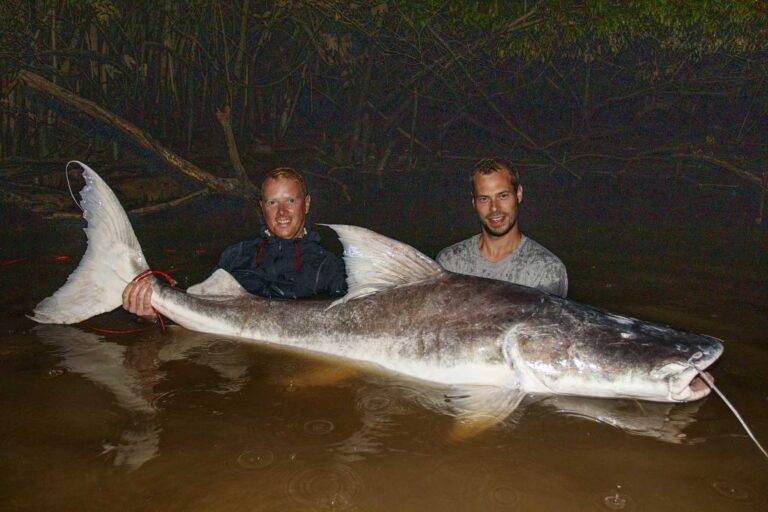
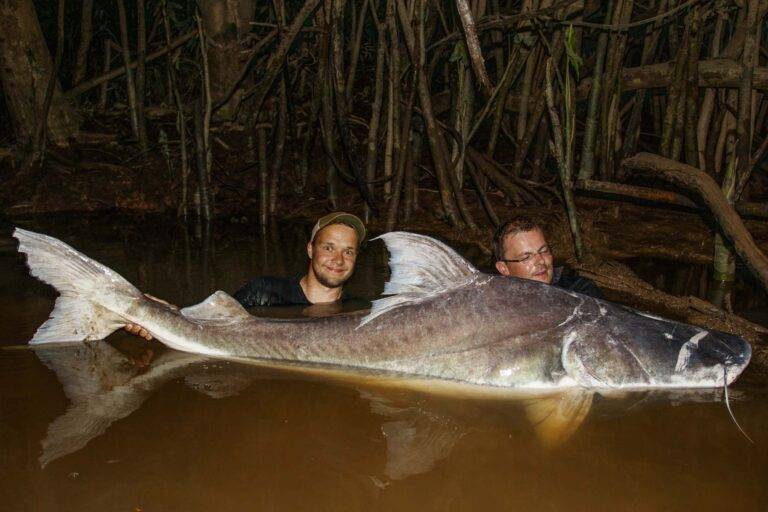
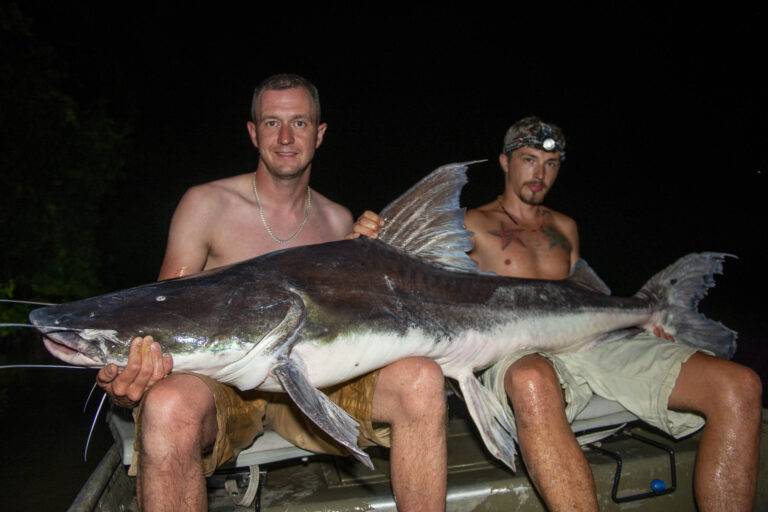
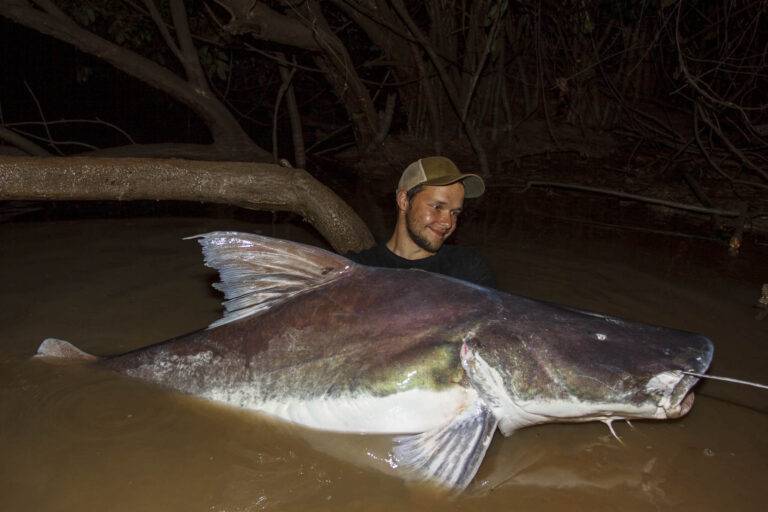
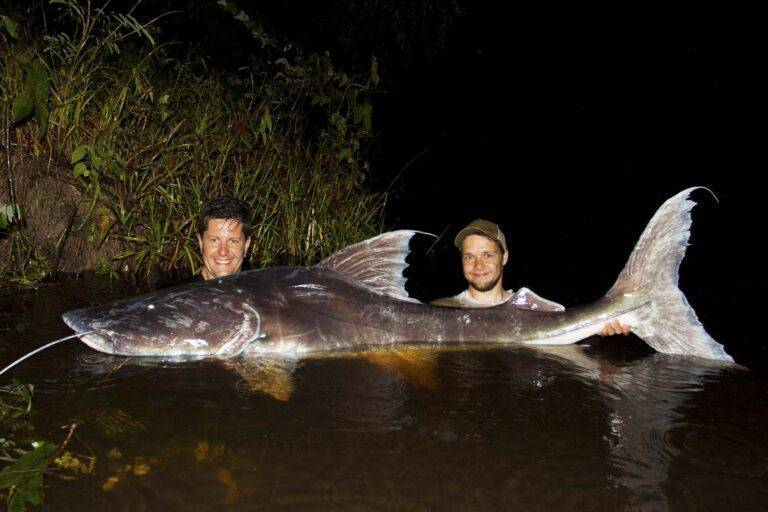
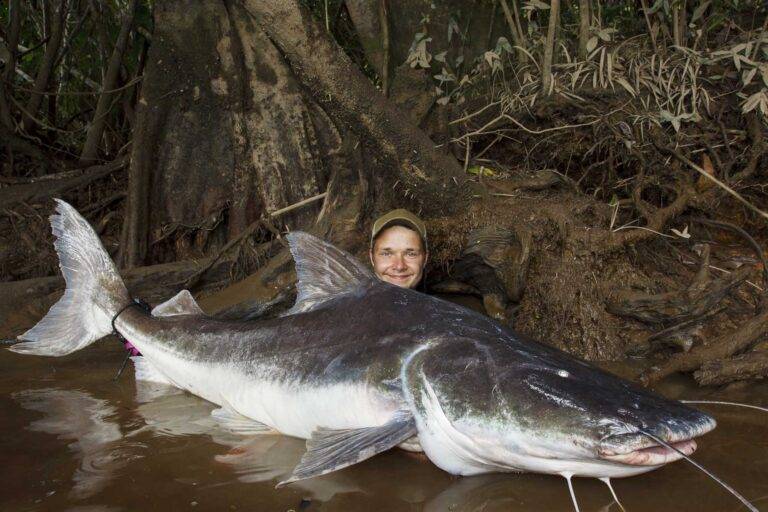
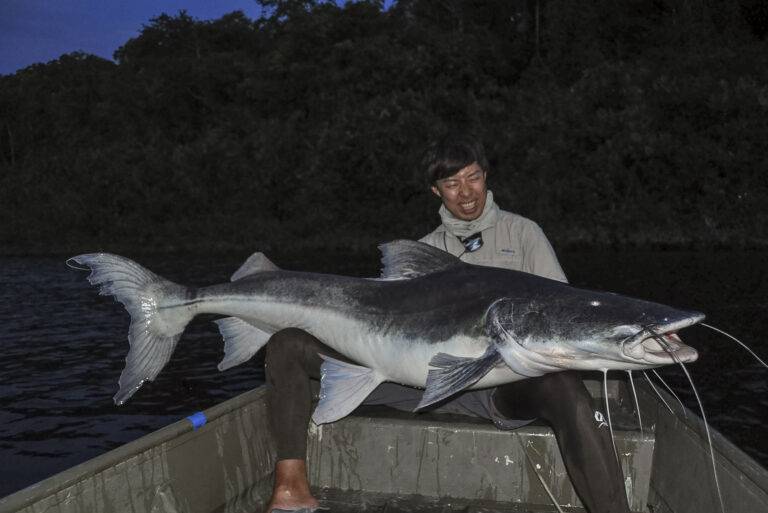
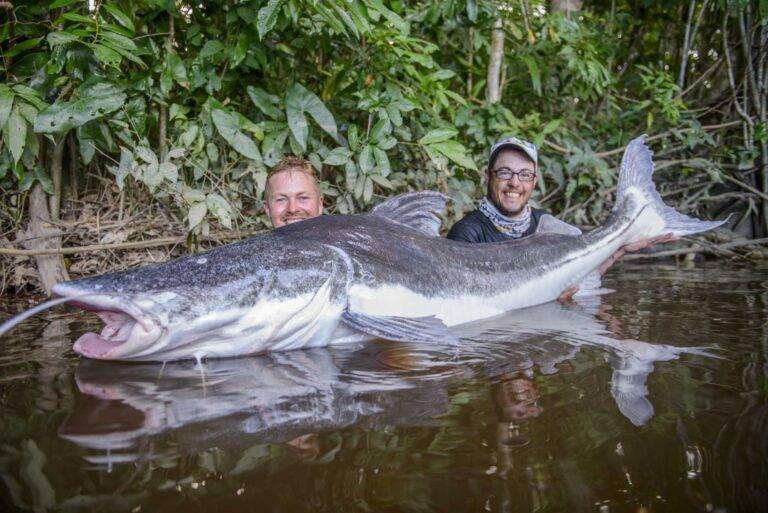
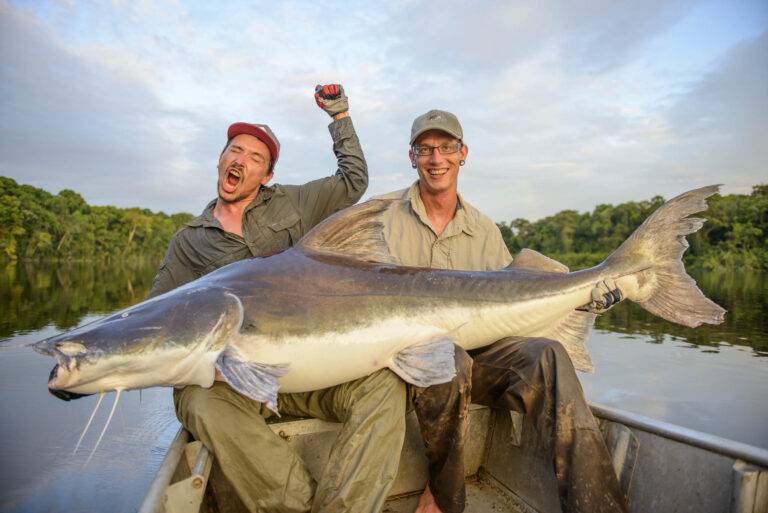
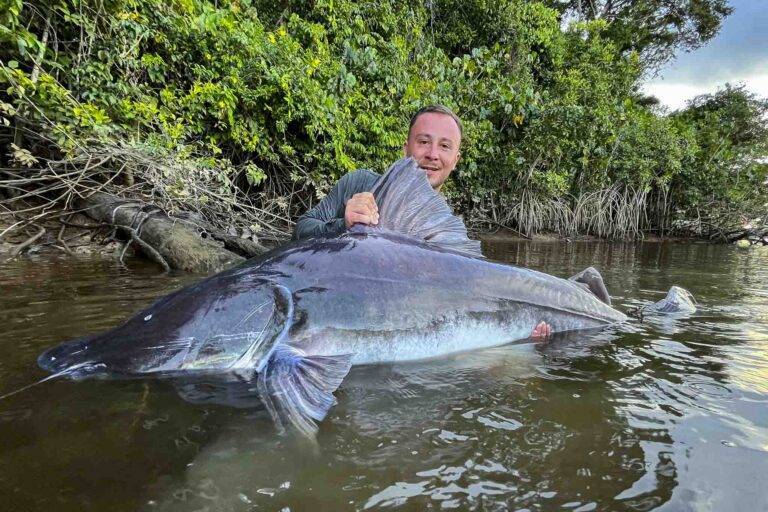
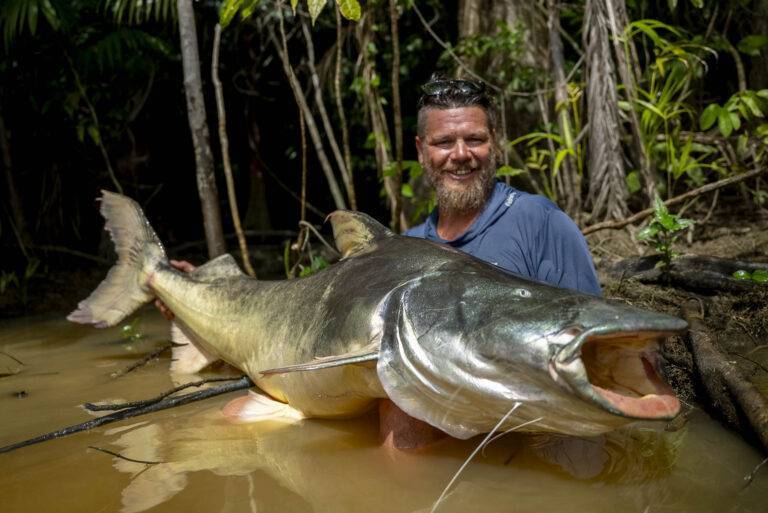
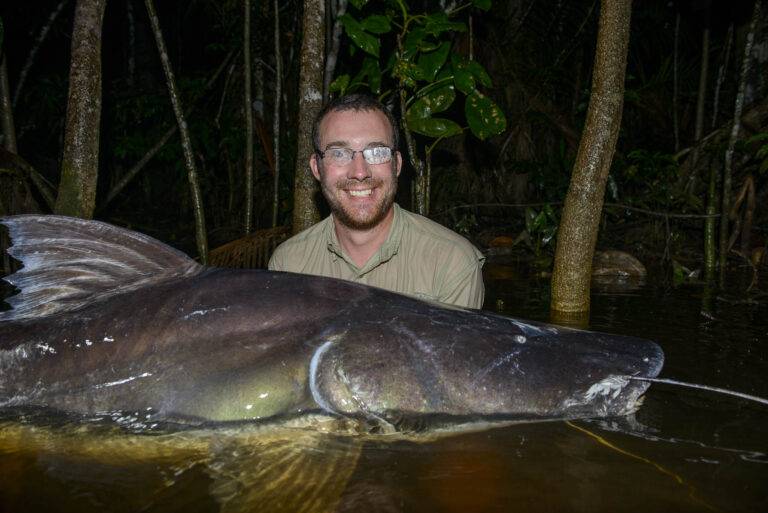
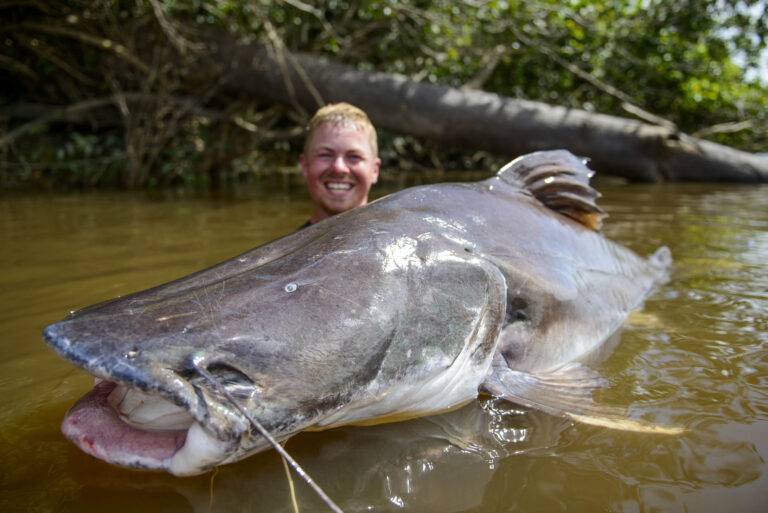
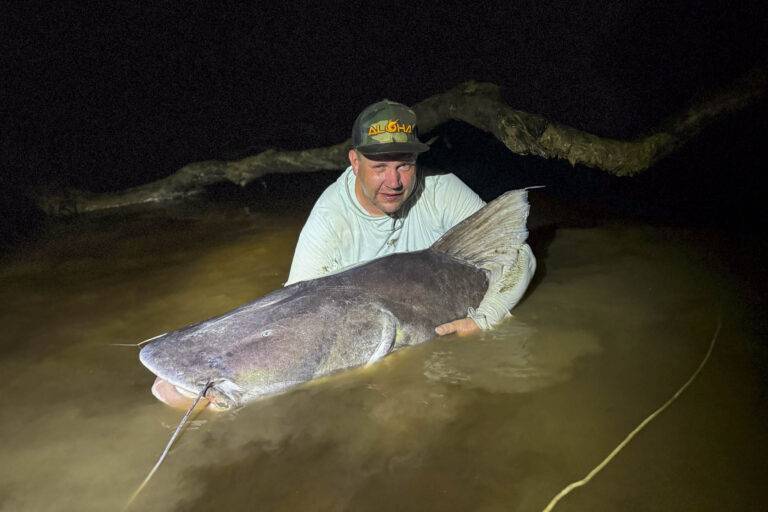
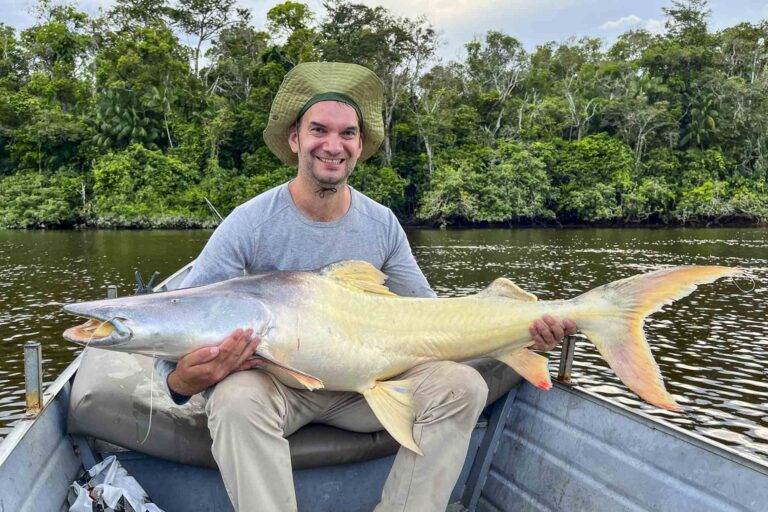
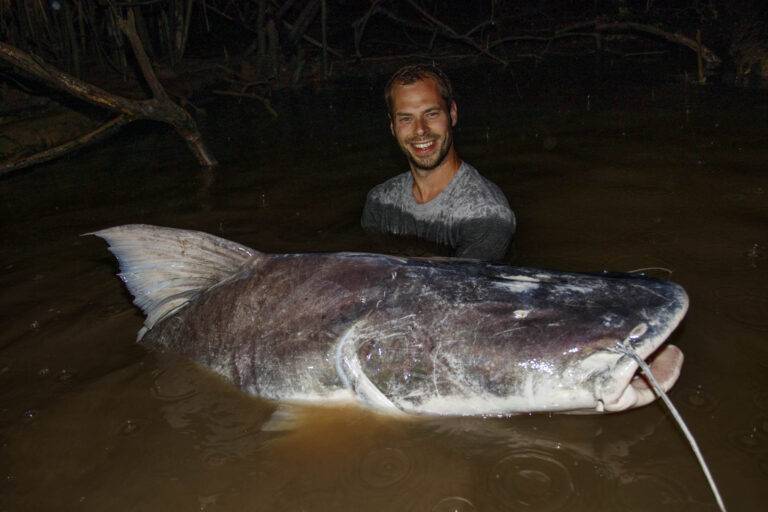
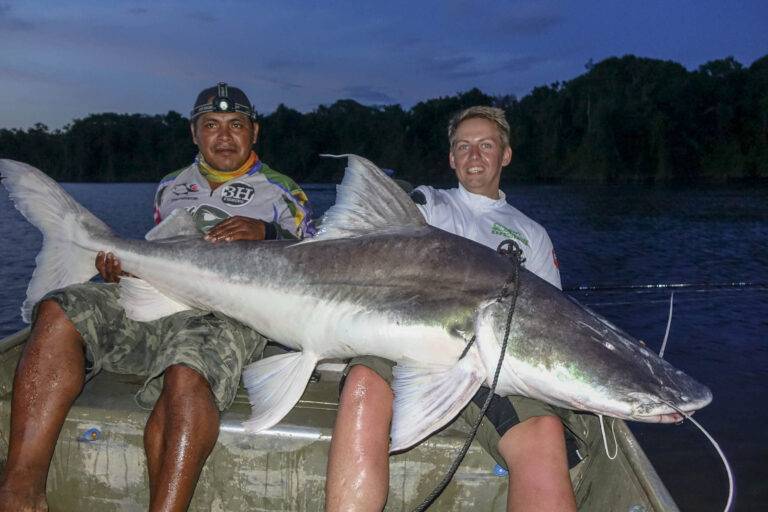
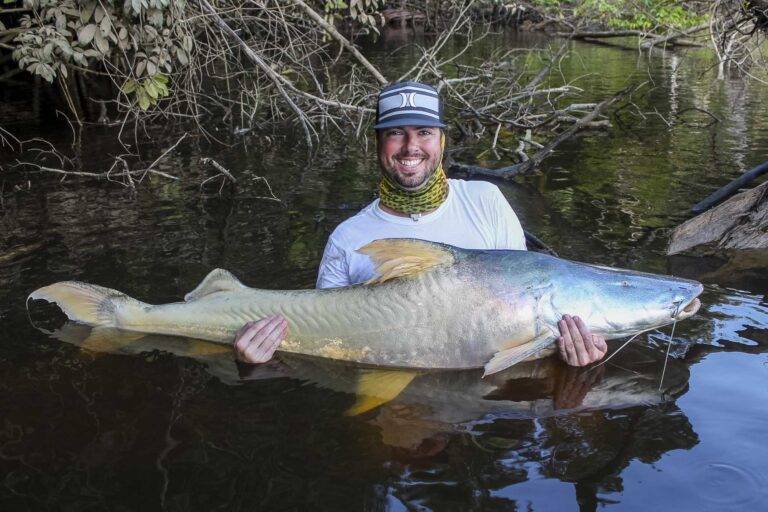
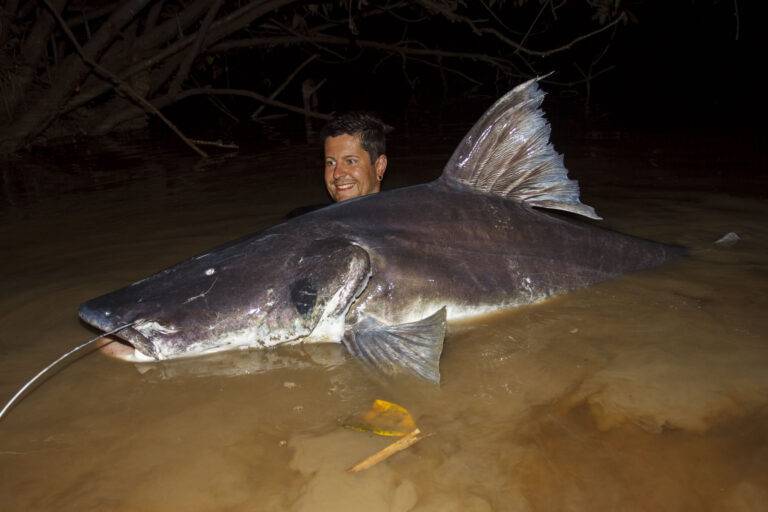
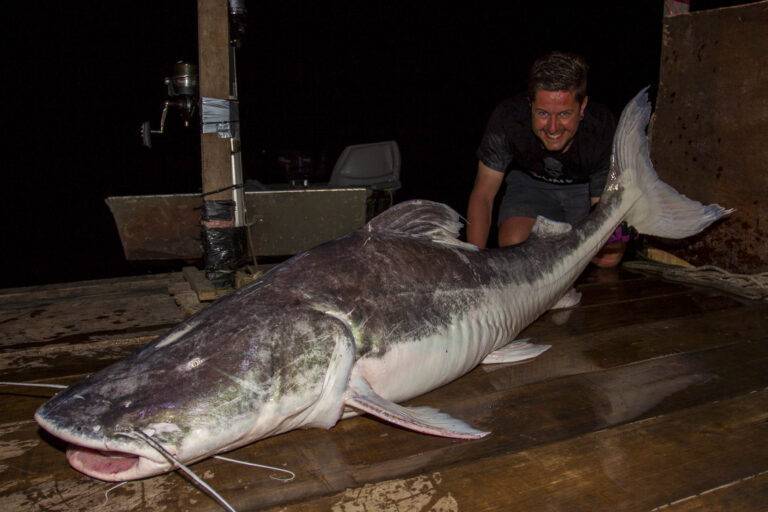
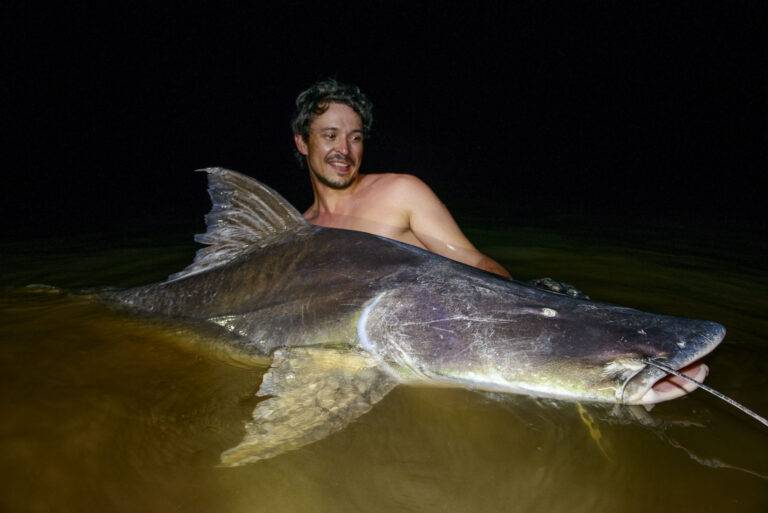
The so-called Piraiba fishing trip is the highlight of many tours. The Piraiba catfish, often known locally as Lau Lau, is one of the largest freshwater fish in South America. These fish grow to enormous sizes and are regarded as true river monsters. For many anglers, fishing for giant catfish in tropical rivers is a special challenge that differs significantly from traditional European catfish fishing.
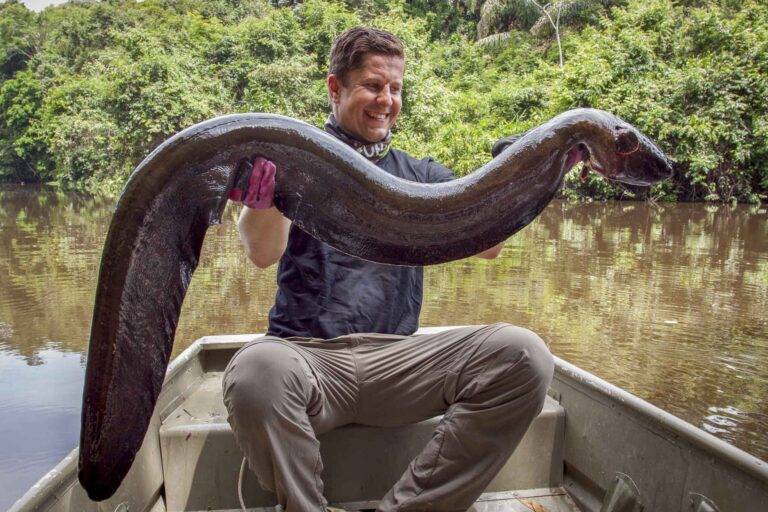
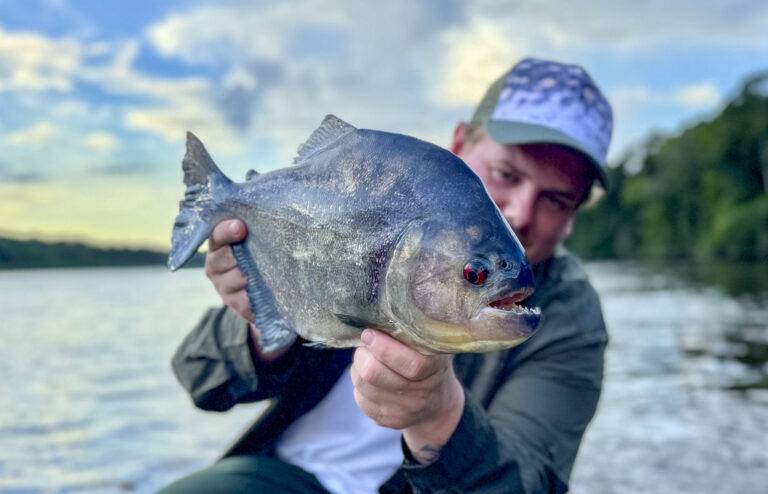
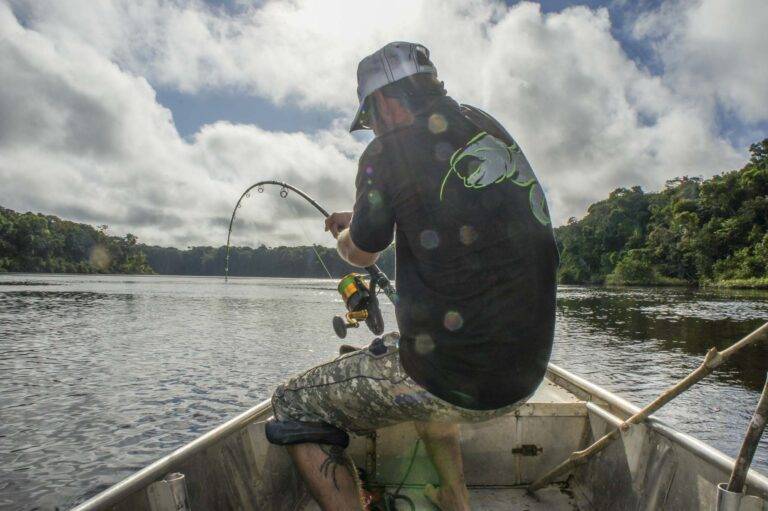
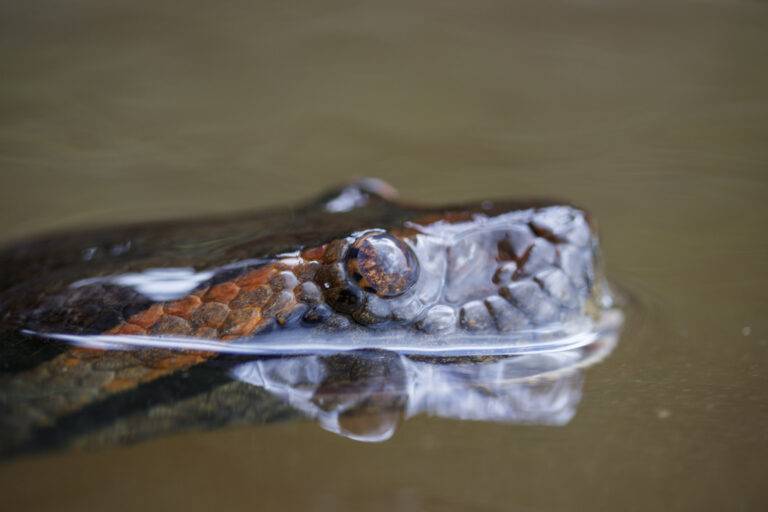
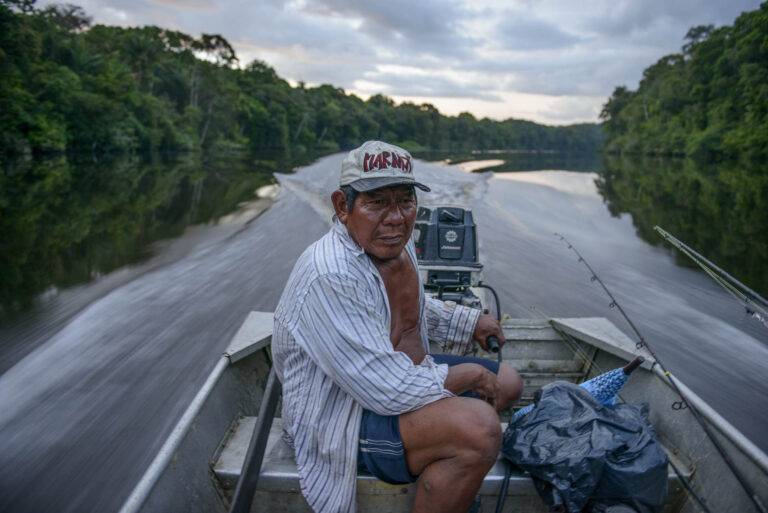
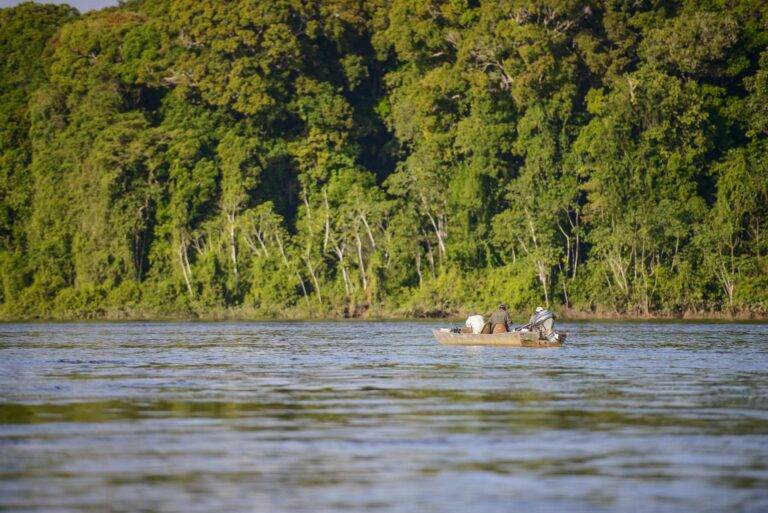
Piraiba Fishing in tropical rivers
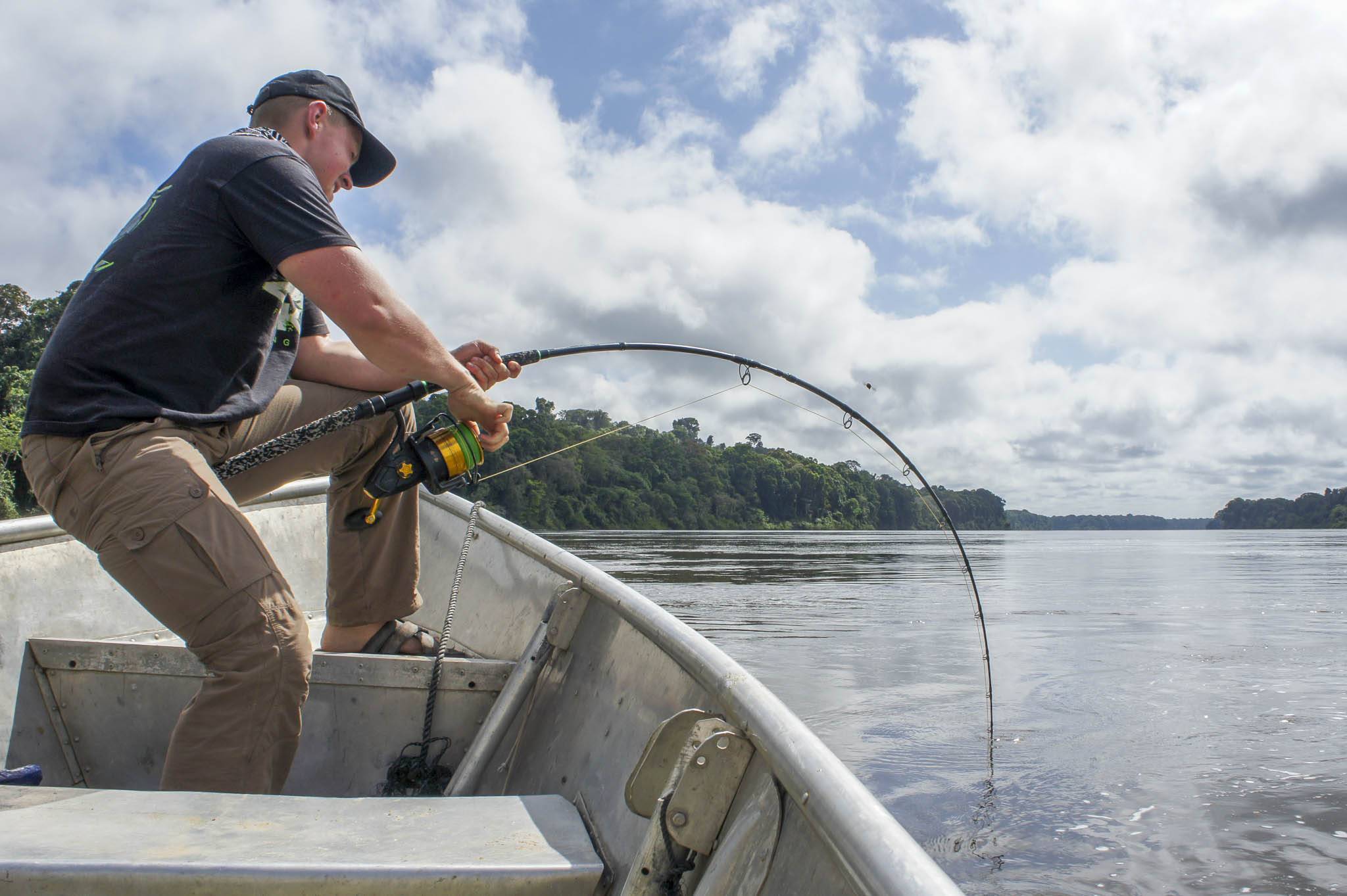
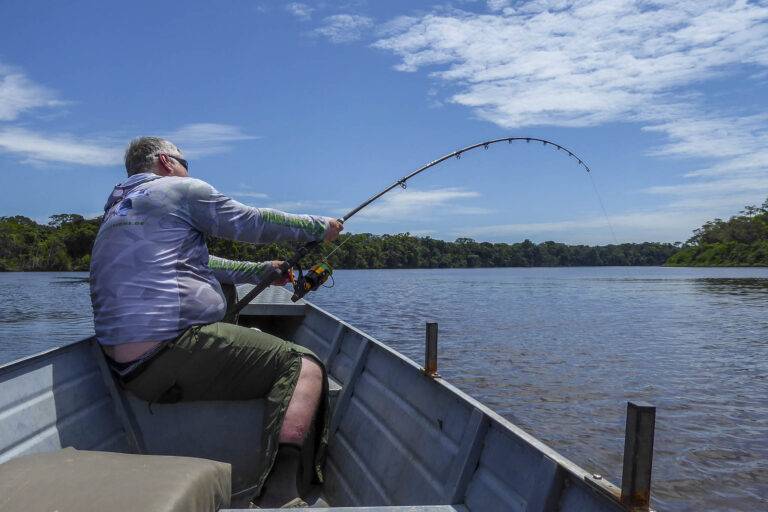
When fishing specifically for piraiba, heavy natural bait is usually used. The rig is set in deep sections of the river or along strong current edges. Contrary to what many people expect, the bites from these large catfish are often rather tentative. It is only after the strike that the fish reveal their enormous strength and use the current to make long runs.
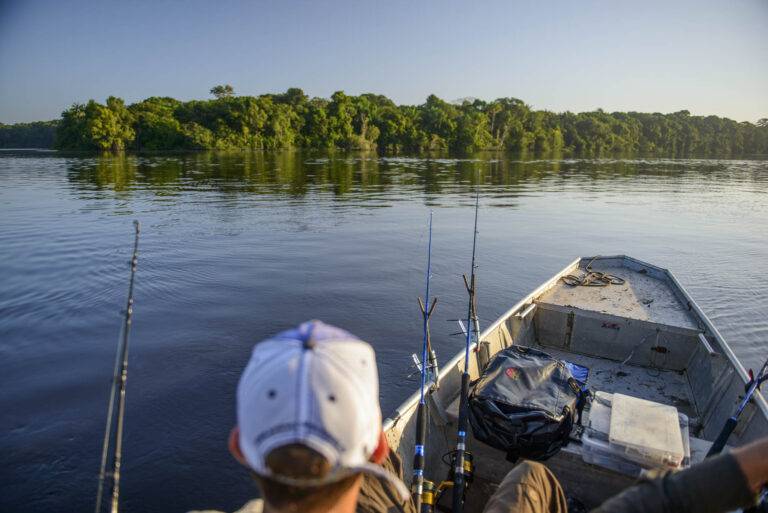
The tropical climate and strong currents place high demands on equipment and technique. Strong rods, robust reels and abrasion-resistant lines are therefore essential kit when fishing for giant catfish in the Amazon system.
What fishing tackle is needed for piraiba?
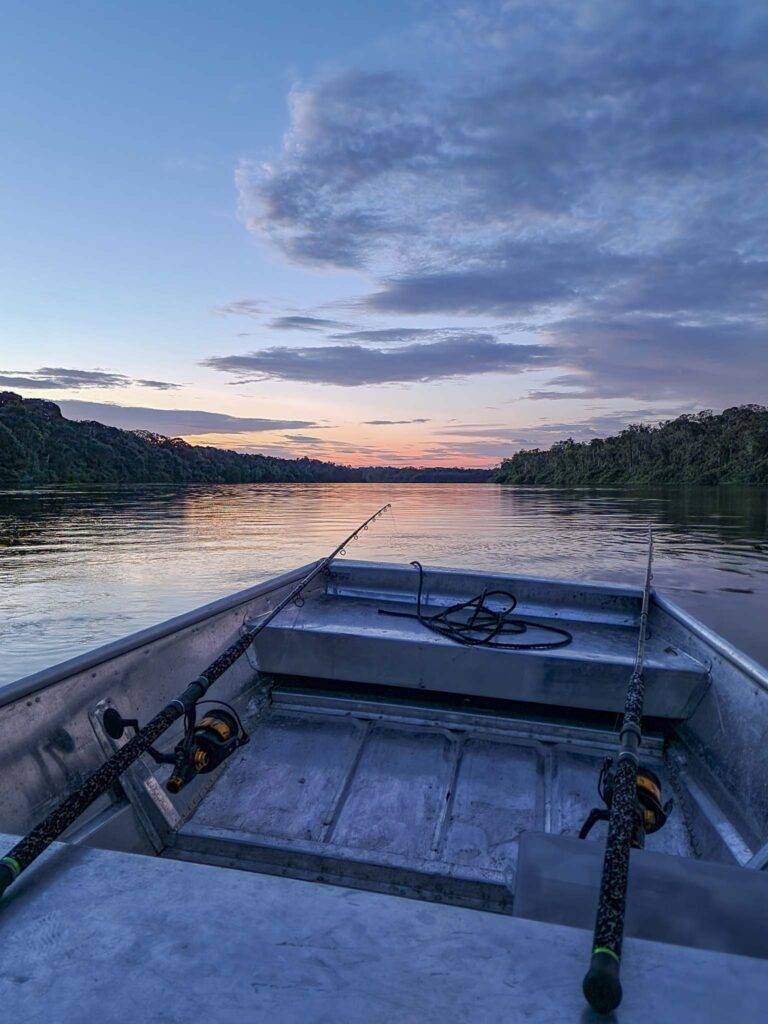
When fishing for piraiba, only heavy-duty tackle is used. Many anglers underestimate the strength of the fish and the strain caused by the current and heat. Reliable tackle is particularly important, as any equipment failure during the fight is unlikely to be forgiven.
Rods for piraiba fishing
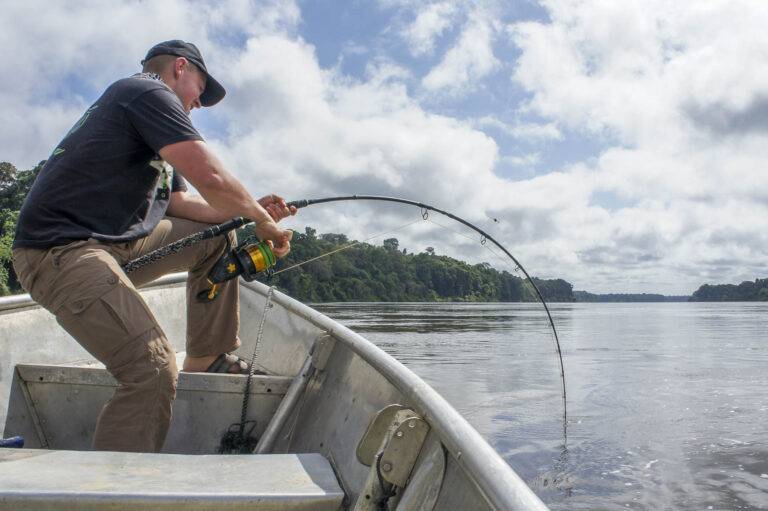
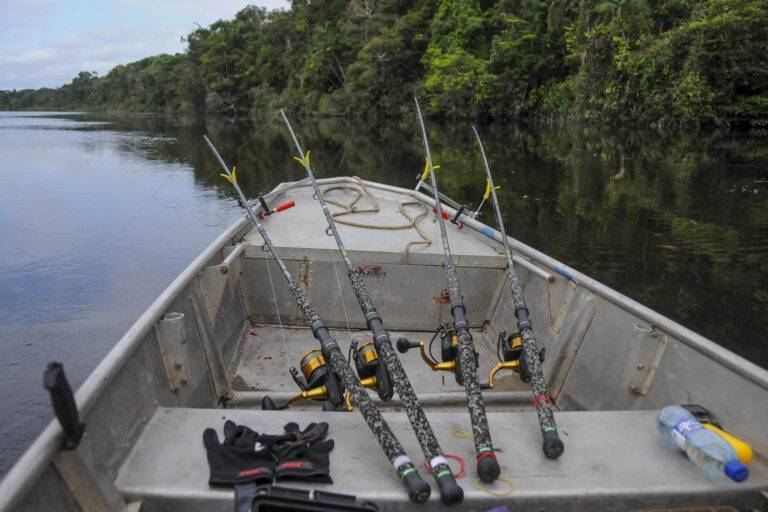
For targeted catfish fishing for piraiba, short and extremely powerful boat rods are usually used. Rods between 1.80 and 2.40 metres in length with a casting weight of around 300 to 1000 grams have proven effective. The rods must not only withstand high tensile forces, but also have sufficient backbone to present heavy weights and large live bait in a controlled manner.
Many anglers opt for specialist catfish rods or heavy big-game rods with a parabolic action. Rods that are too stiff often lead to material failure or stripped hooks during long fights.
Reels for piraiba fishing
When it comes to reels, either large multi-reels or extremely robust fixed spool reels are used. Above all, a strong and smooth-operating drag is essential. Models with a drag force of at least 20 to 30 kilograms are recommended.
In addition, line capacity plays a major role. As the fish often make long runs downstream, you should have at least 250 to 400 metres of braided main line available.
Braided lines and leaders
When fishing for giant catfish, braided lines are used almost exclusively. Diameters of between 0.45 and 0.70 millimetres are standard, with breaking strengths ranging from 40 to over 80 kilograms.
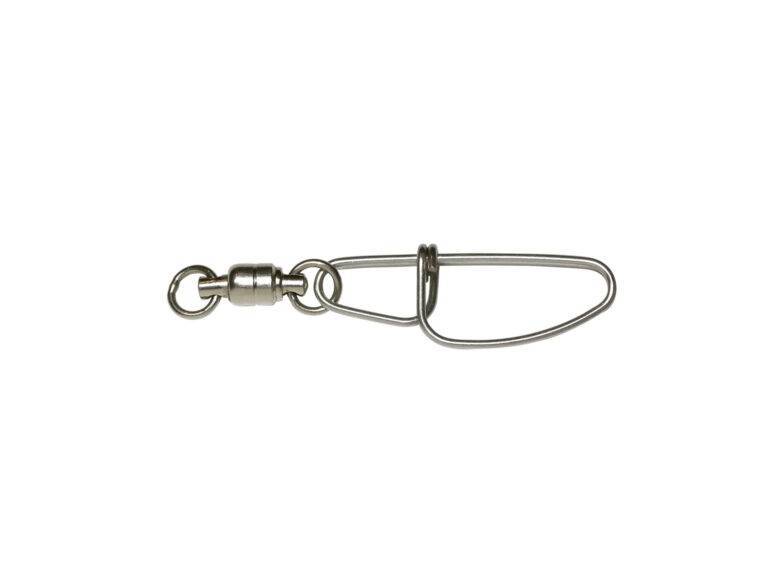
Even more important than the main line is the leader material. In tropical rivers, wood, shells and stones cause severe abrasion. That is why particularly thick monofilament or Kevlar leaders are used. Many rigs are also fitted with abrasion protection.
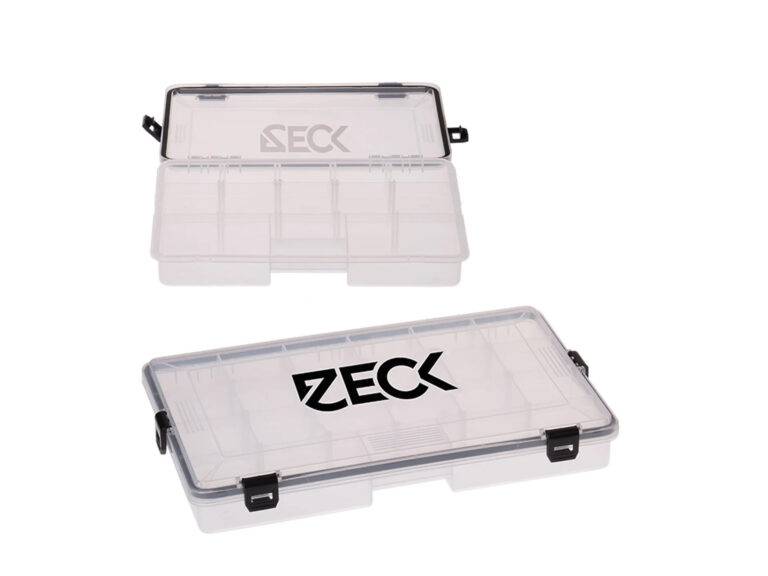
Hooks, sinkers and rigs
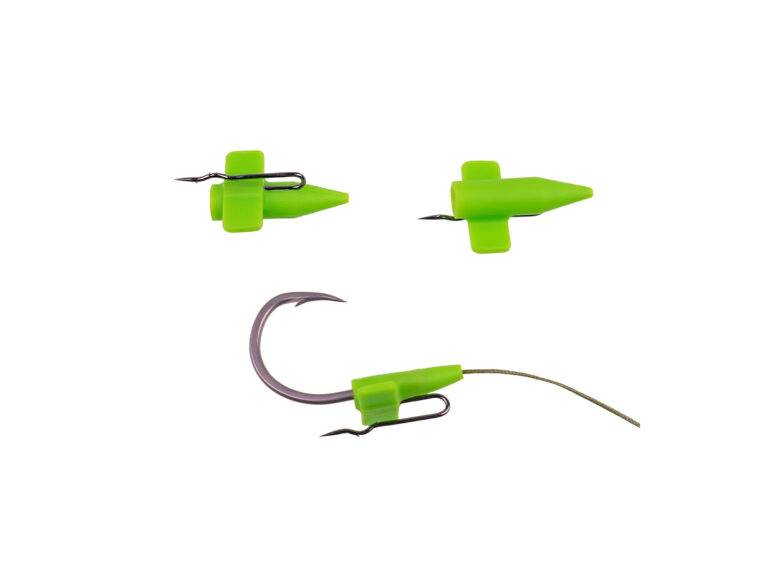
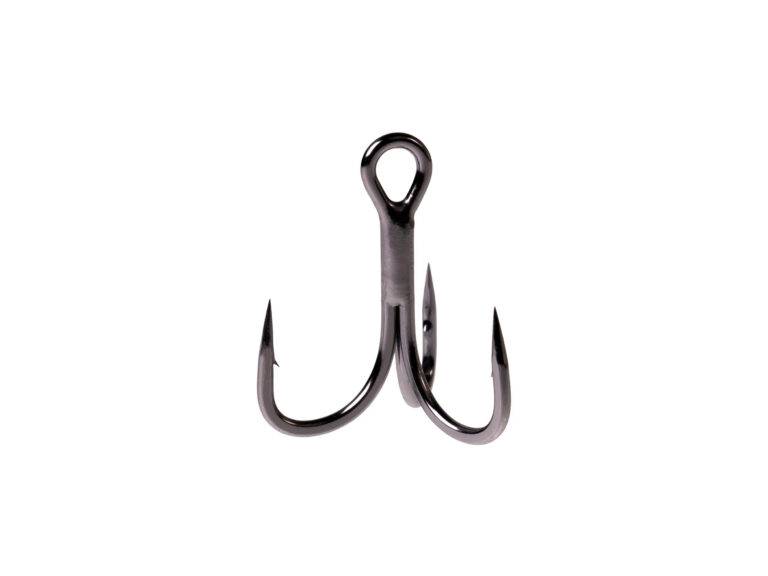
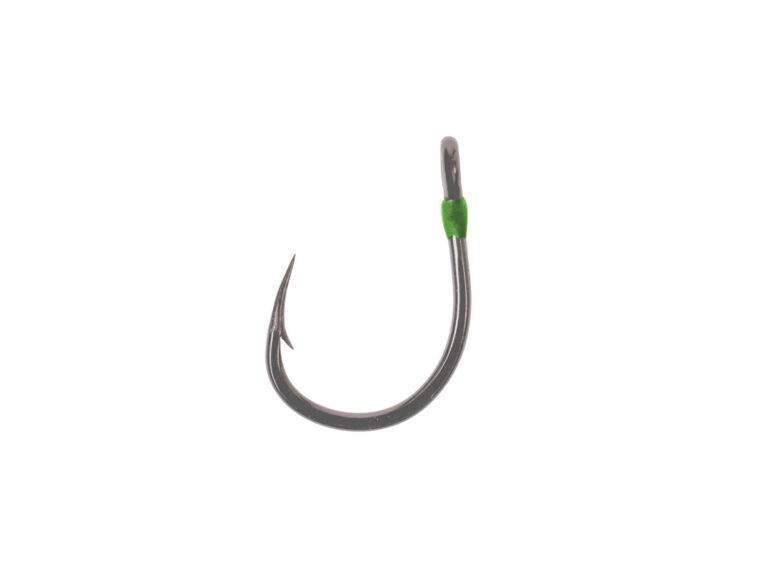
For piraiba (lau lau), large single hooks or sturdy circle hooks are usually used. Hook sizes typically range from 8/0 to 14/0. Circle hooks have the advantage that the fish are often securely hooked in the corner of the mouth.
Due to the strong current, heavy weights are required. Depending on the water level, weights ranging from 200 to 800 grams are used. Simple bottom rigs with U-floats or anchor systems are popular when fishing from a boat.
Spinning tackle
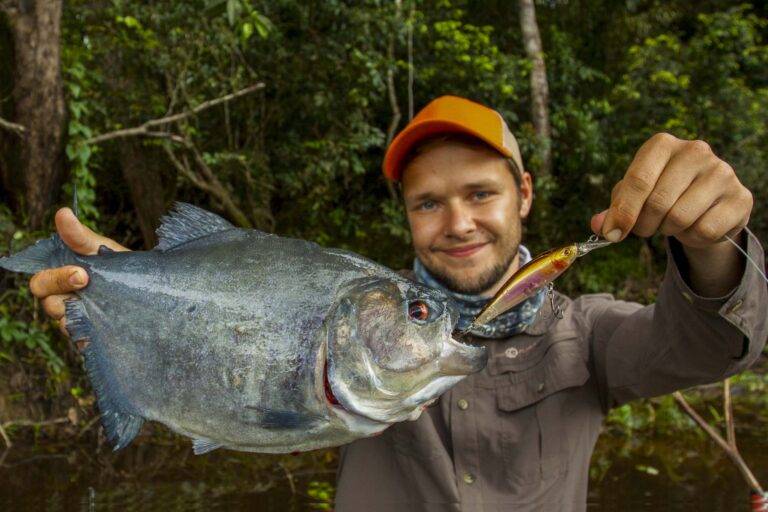
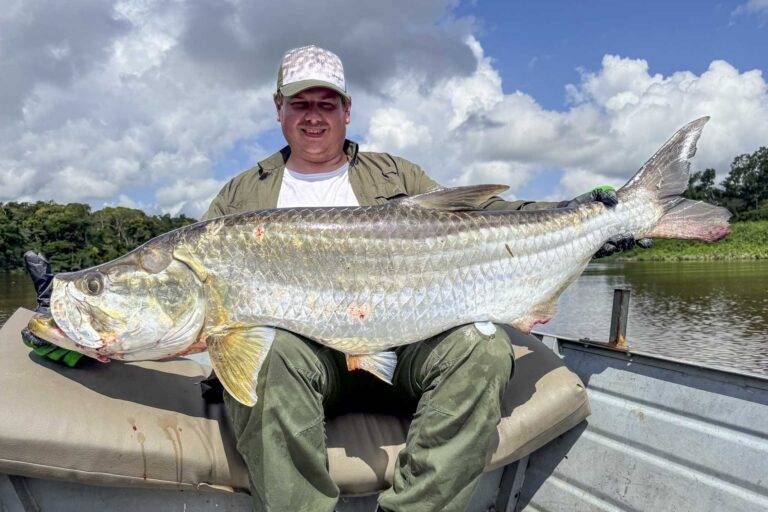
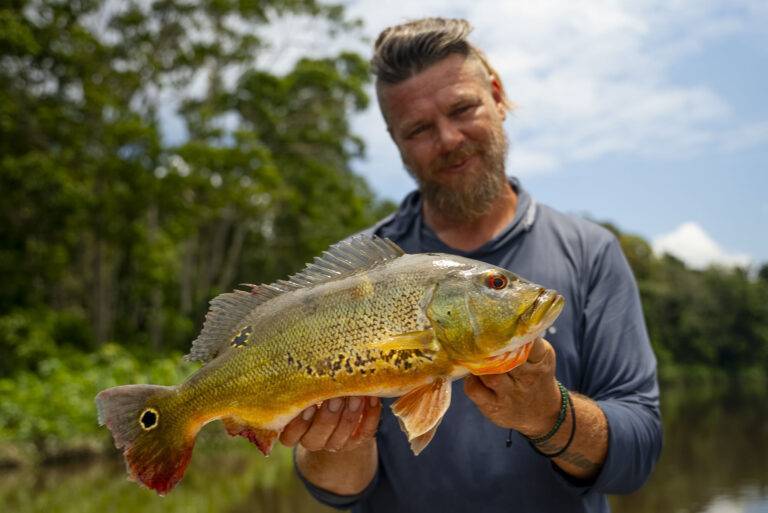
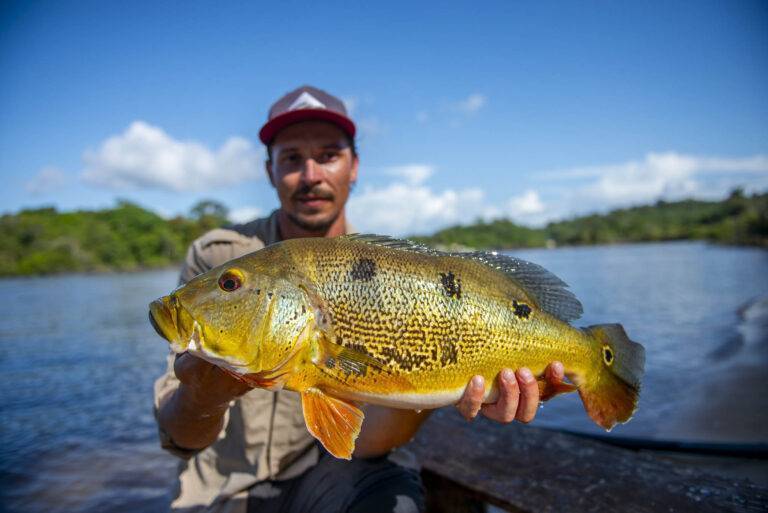
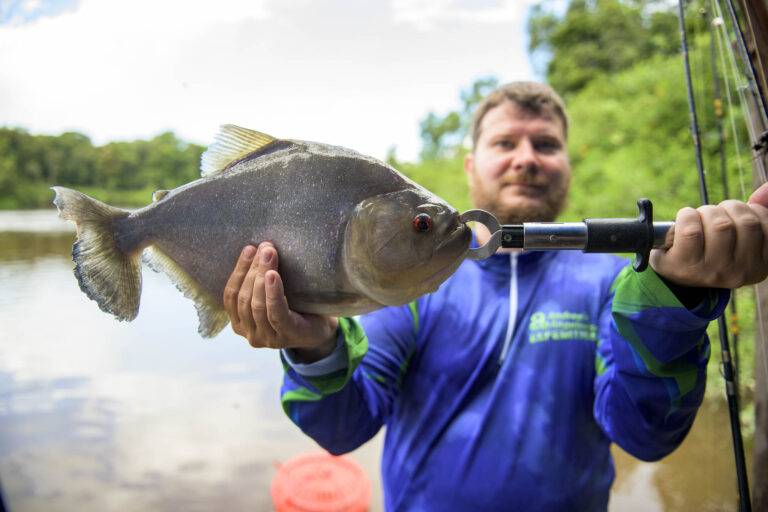
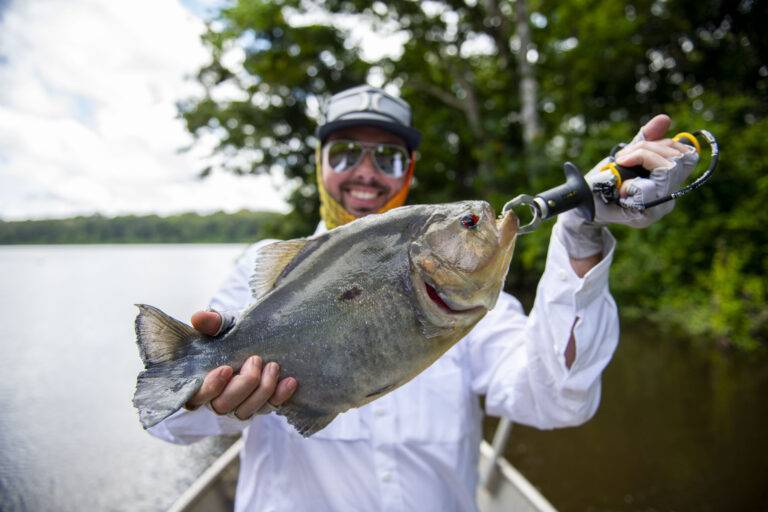
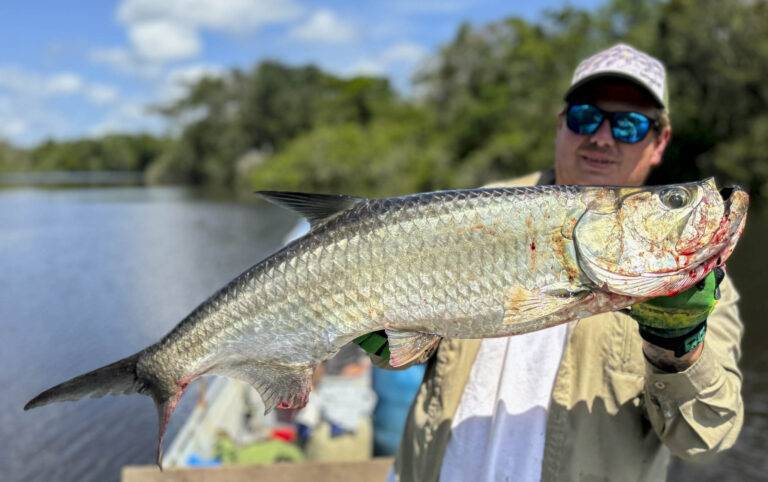
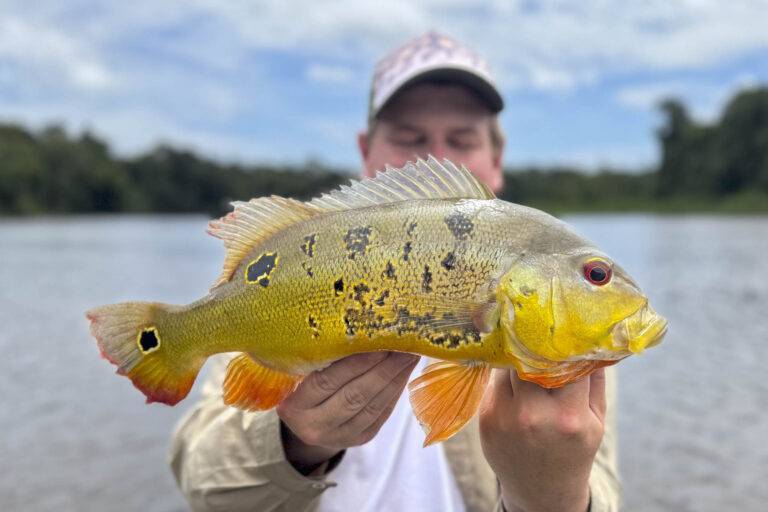
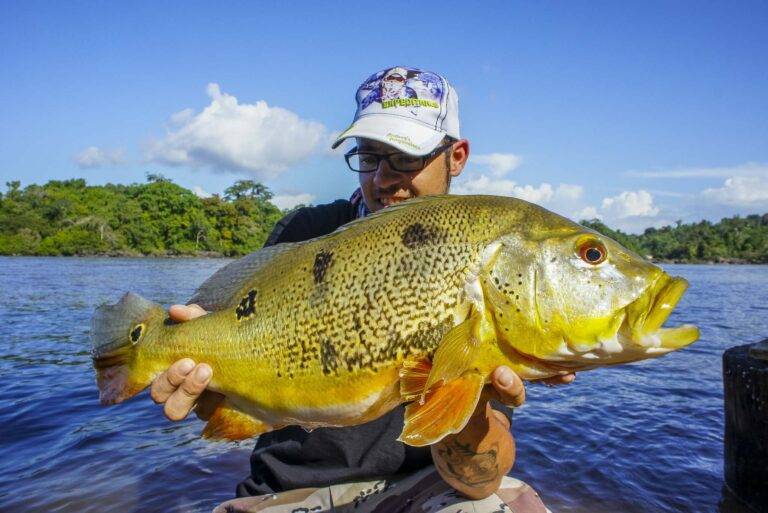
As well as heavy catfish fishing, active spin fishing is also a popular form of angling in Suriname. Significantly lighter rods are used for peacock bass and other predatory fish.
Spinning rods with a casting weight of between 20 and 80 grams, paired with braided lines of around 0.18 to 0.25 millimetres, have proven effective. Fishing is often done with:
- twitchbaits
- surface lures
- soft plastics
- large spinners
- jerkbaits
For many anglers, surface strikes in shallow water are among the most spectacular moments in tropical spin fishing.
Clothing and equipment in the rainforest
As well as the fishing tackle itself, outdoor gear also plays an important role. The climate in the rainforest is hot, humid and changeable. We recommend:
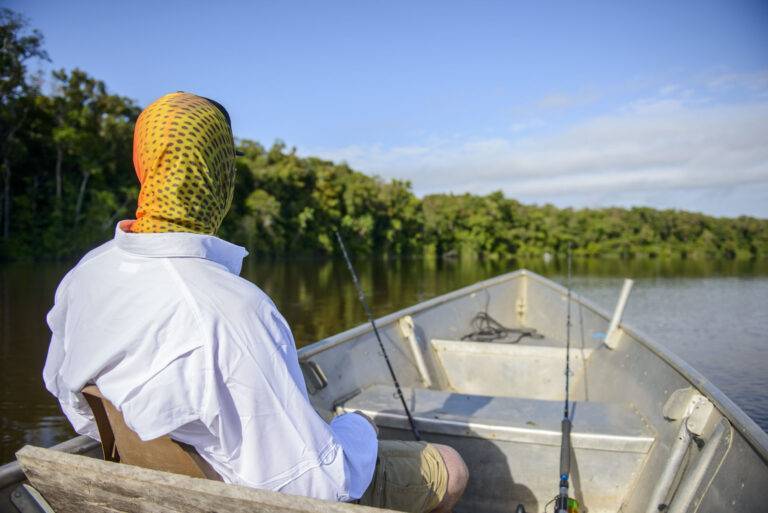
- lightweight, long-sleeved clothing with UV protection
- a rain jacket and waterproof bags
- sturdy shoes with good grip
- thin gloves for tough fights
- polarised sunglasses to reduce glare
- insect repellent and sun cream
You should also make sure you have plenty of spare tackle. Due to the heat, humidity and heavy use, tackle wears out much faster than in European waters.
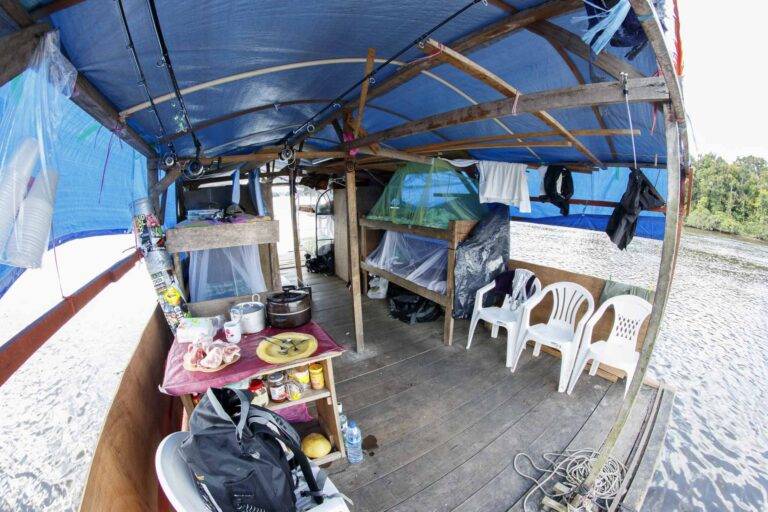
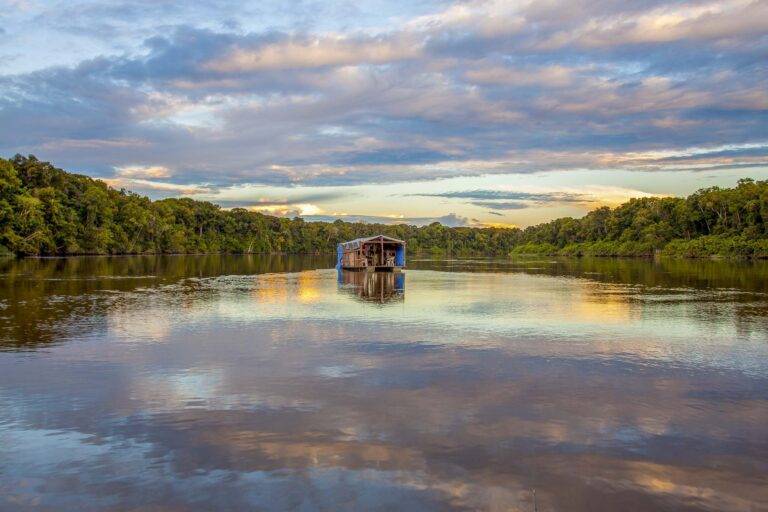
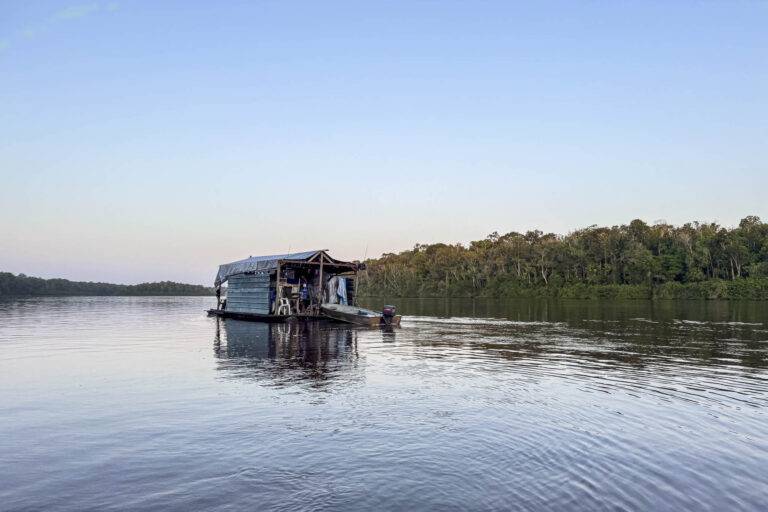
‘Air Force Two’ – The Jungle Houseboat
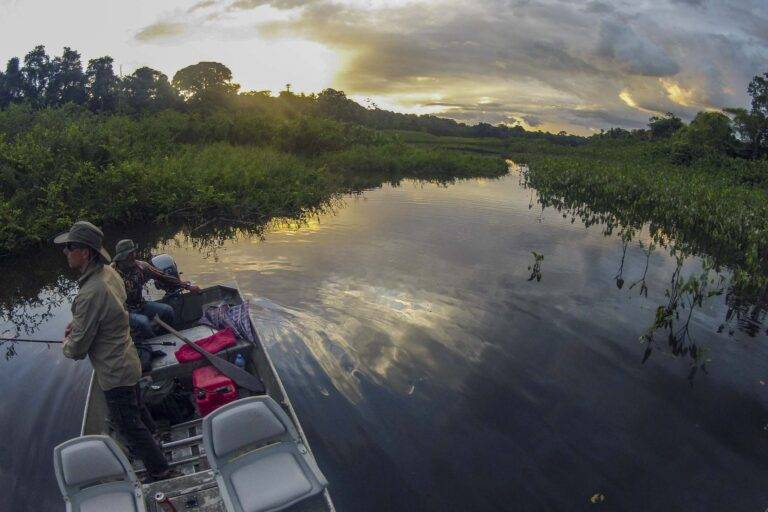
Accommodation for this fishing trip is provided by the houseboat ‘Air Force Two’. This floating camp is moored in the middle of the river and forms the heart of the entire fishing expedition. Instead of a traditional hotel, participants can look forward to an authentic adventure in the heart of Suriname’s rainforest.
The “Air Force Two” was specially built by our local partners and is perfectly suited to the conditions of the tropical rainforest. The houseboat can accommodate up to six anglers and features three bunk beds and a single bed. Despite its simple furnishings, the boat offers everything needed for a successful fishing trip.
Its location right on the river is particularly practical. This makes it significantly cooler than in the dense rainforest, and there are far fewer insects. It is precisely this advantage that makes the “Air Force Two” the ideal base for fishing for piraiba and other river monsters.
Simple, authentic and full of adventure
Luxury is deliberately not the focus of this fishing trip. The ‘Air Force Two’ offers simple yet authentic accommodation for true adventure anglers. There is a basic toilet, and washing is done the traditional way using buckets of water or directly in the river by the bank. It is precisely this unspoilt, authentic atmosphere that gives the fishing expedition its special appeal.
Anyone expecting hotel-style comfort should choose a different trip. On the other hand, anyone seeking genuine adventure, a rainforest atmosphere and spectacular fishing will love the “Air Force Two”.
Who is the fishing trip to Suriname suitable for?
A fishing trip to Suriname to fish for piraiba is aimed primarily at anglers with an interest in adventure, nature and big fish. Comfort is generally less of a priority than the experience of being in a remote setting. Anyone interested in tropical waters, authentic catfish fishing, active spin fishing and extraordinary river monsters will find Suriname to be one of the most exciting destinations in South America.
Are you thinking of going to Suriname too?
Here you can find our fishing packages for piraiba: Piraiba Fishing – Suriname