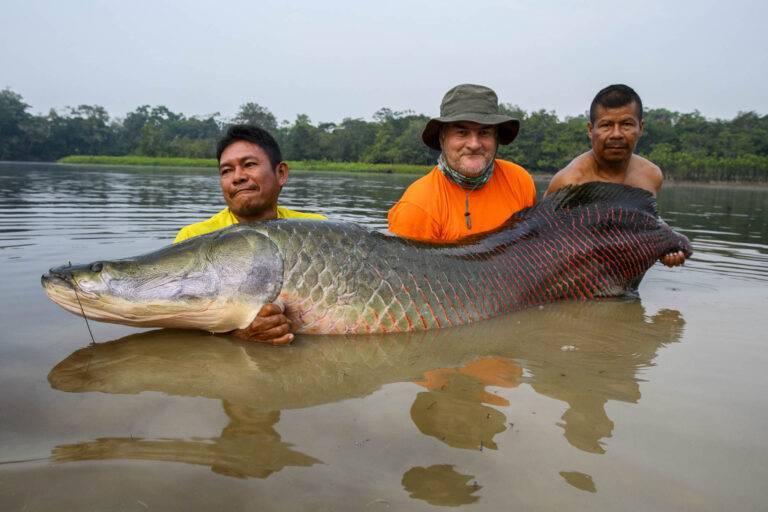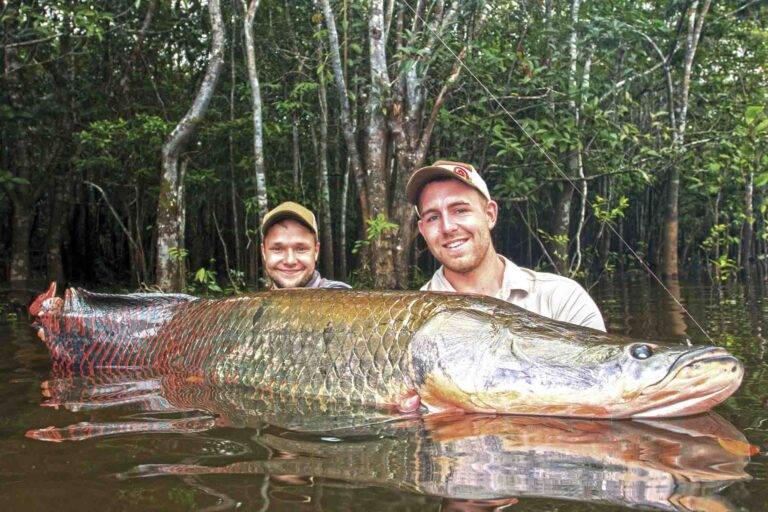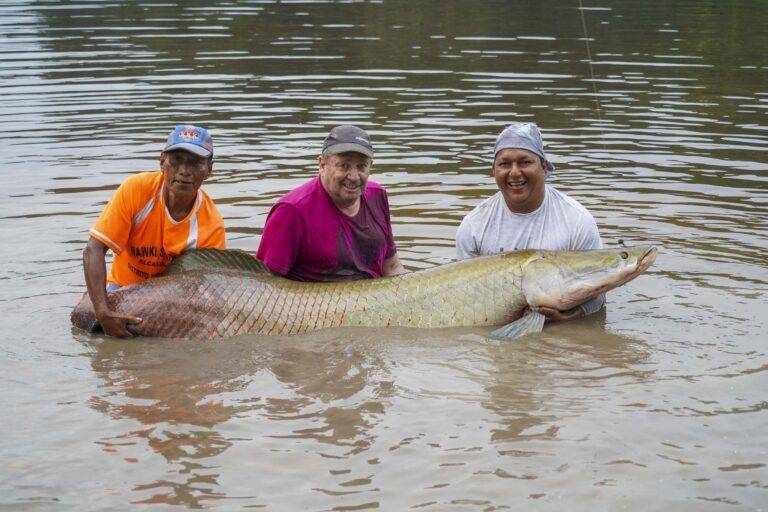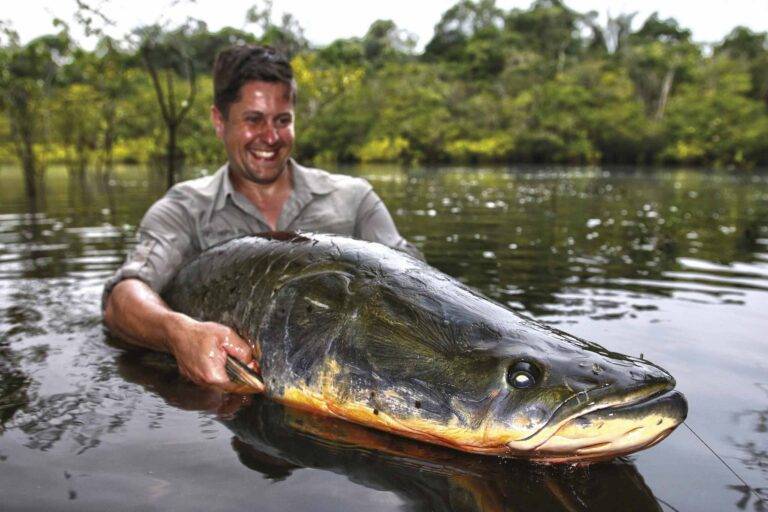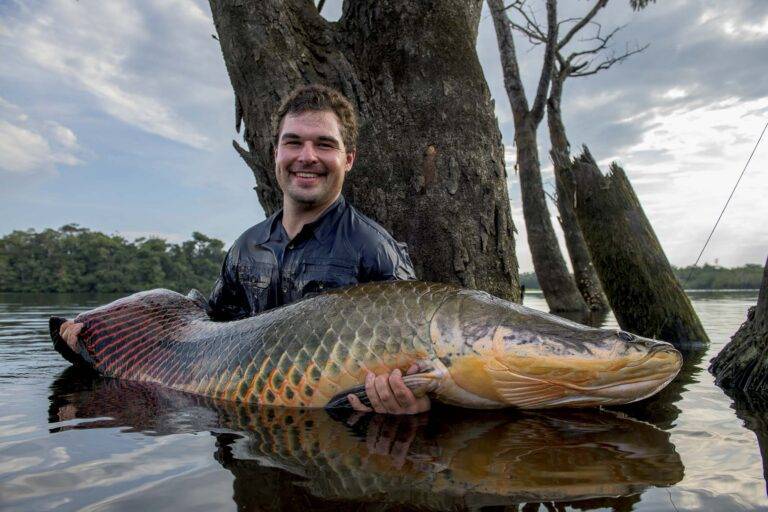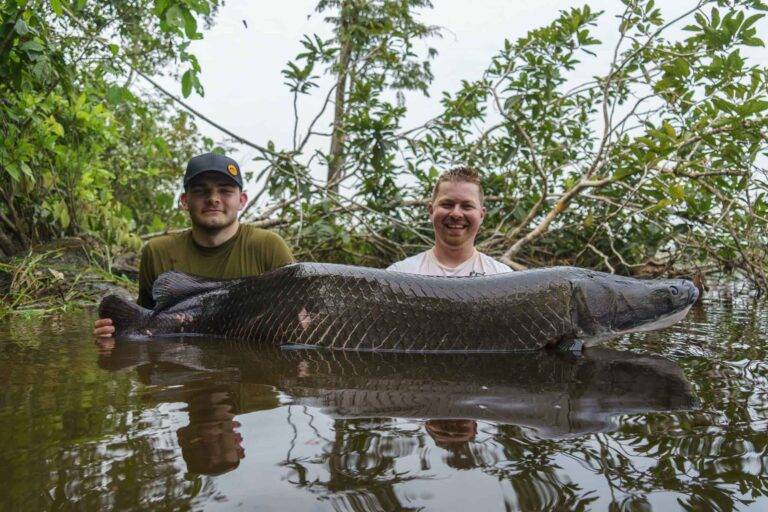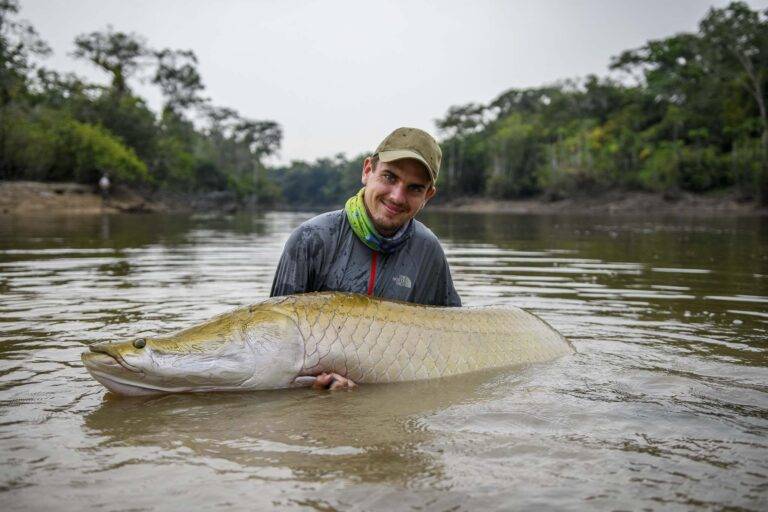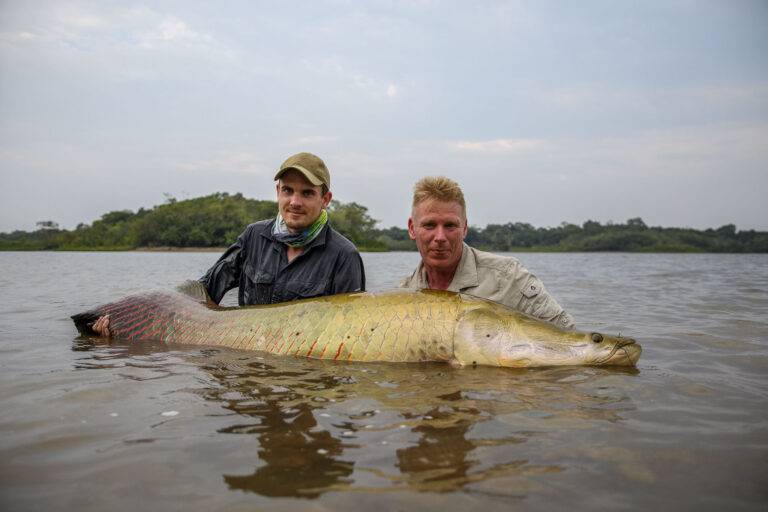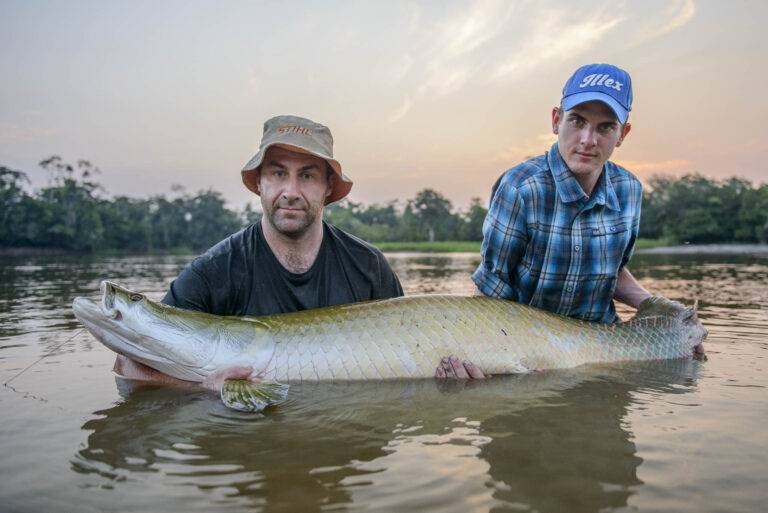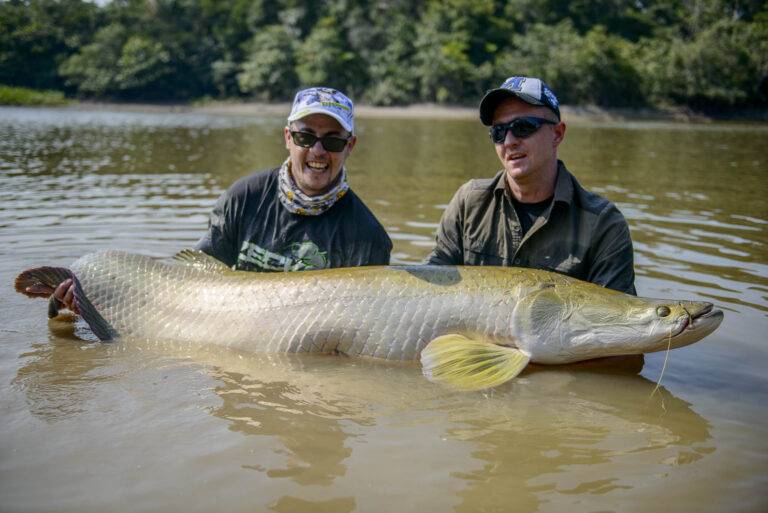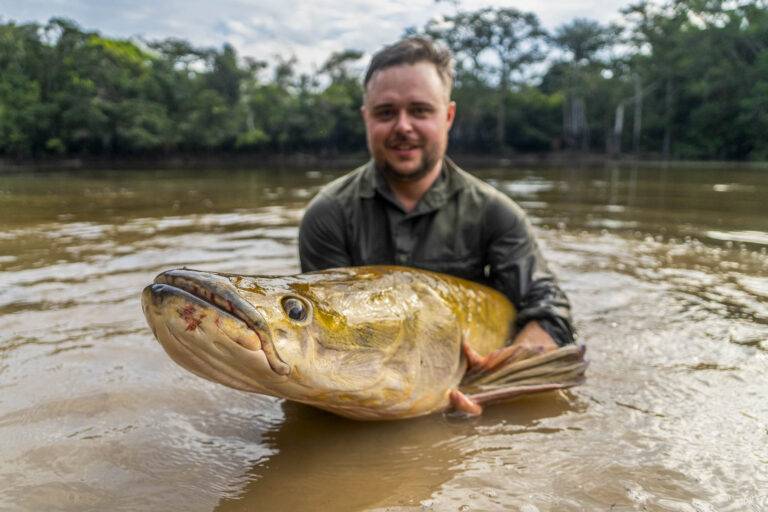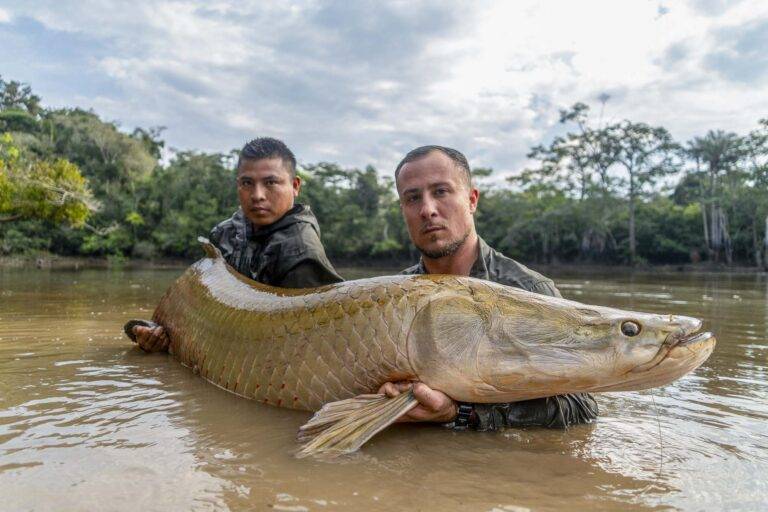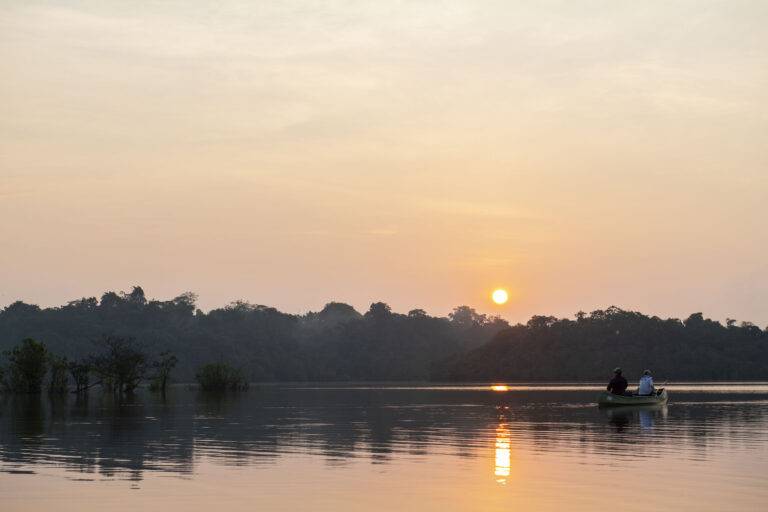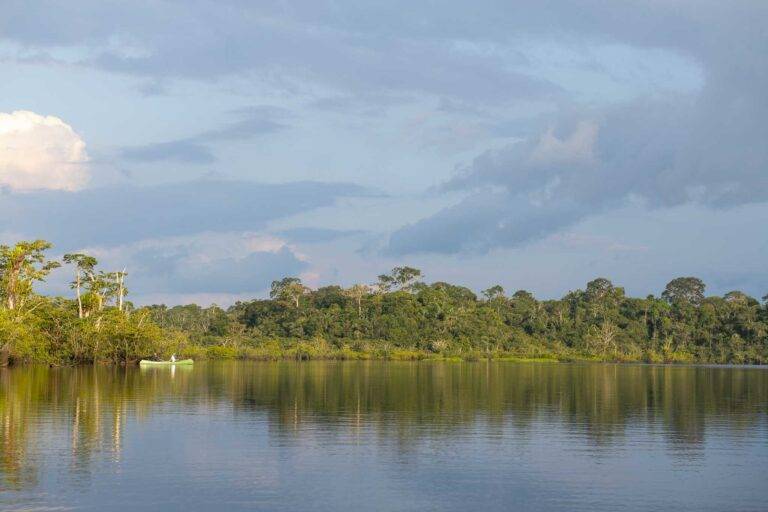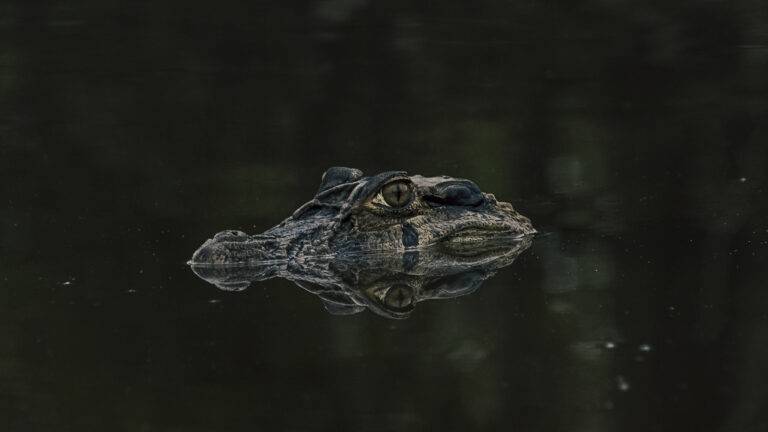
Arapaima Expedition
Peru
Arapaima Fishing Trip - Peru
Arapaima Expedition
Day 1: You’ll fly from your home destination to Quito, the capital of Ecuador, arriving in the early evening. From the airport, you’ll transfer to a basic hostel for the night.
Day 2: You’ll leave early in the morning for the airport, where you’ll catch a domestic flight over the Andes into the Amazon basin. On arrival, our local partners will meet you and take you to a basic hotel in the city centre.
The rest of the day is yours to explore the city or pick up any last-minute supplies. In the evening, enjoy a good dinner before settling in for the night.
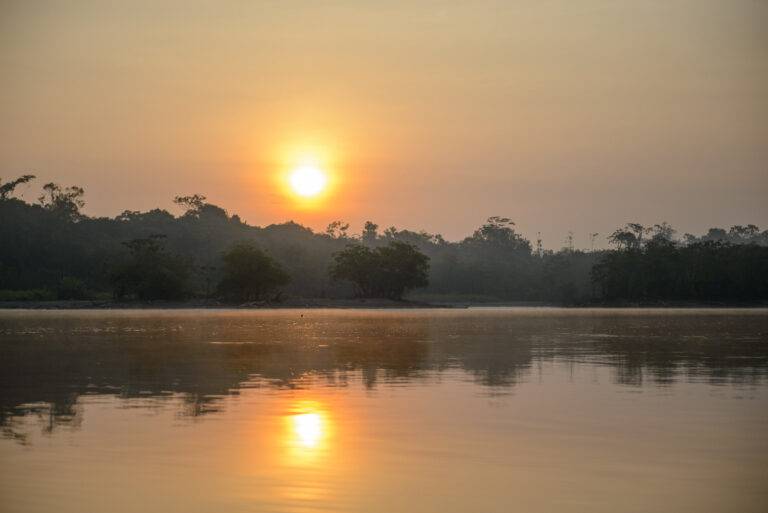
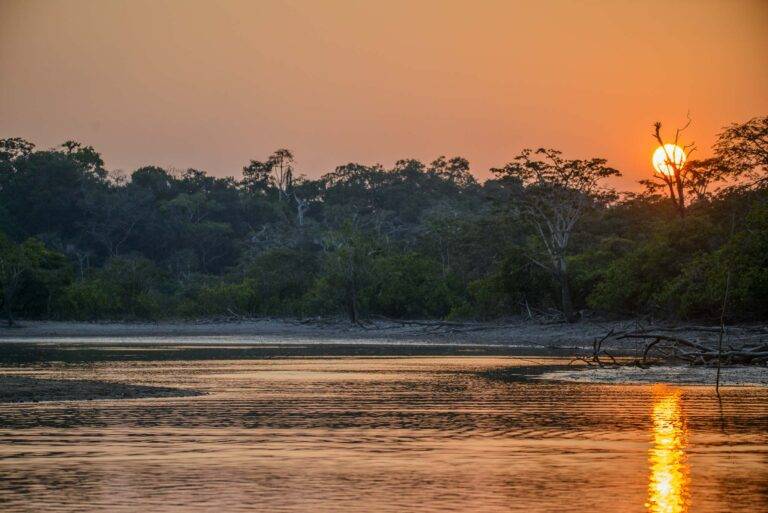
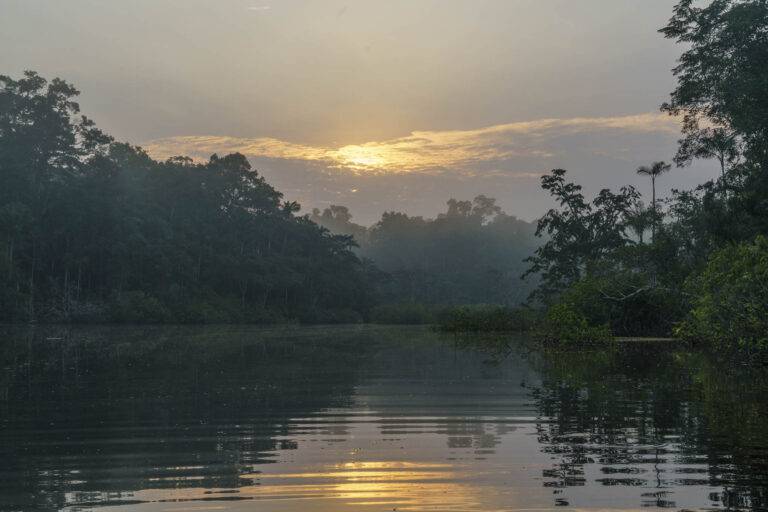
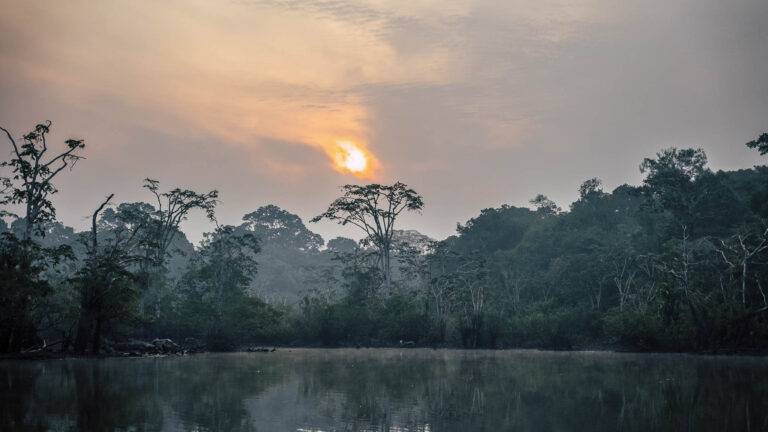
Day 3: Today, you’ll head deep into the Amazon. A speedboat will take you downstream for around five hours to the Peruvian border. After crossing into Peru, you’ll continue for approximately four more hours to Arapaima Lodge.
Once you arrive, you’ll have plenty of time to prepare your tackle and take in the rainforest surroundings.
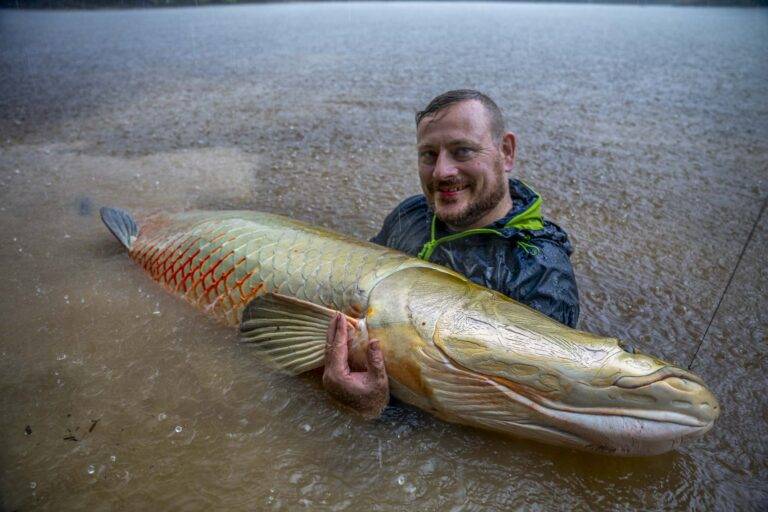
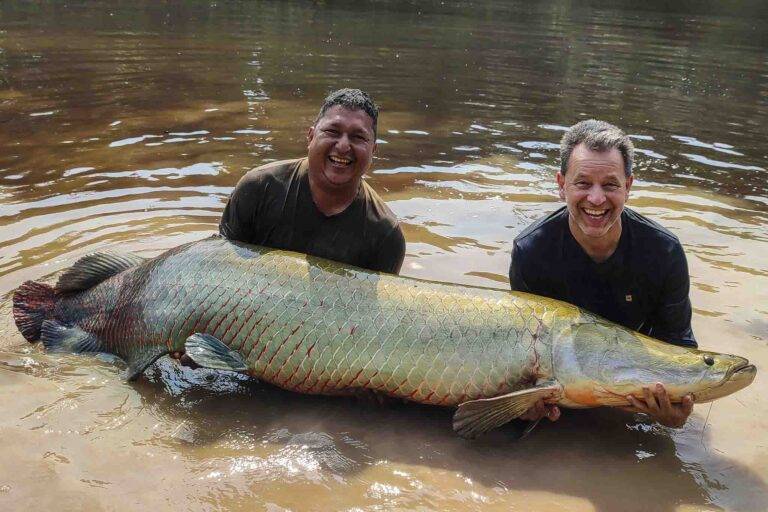
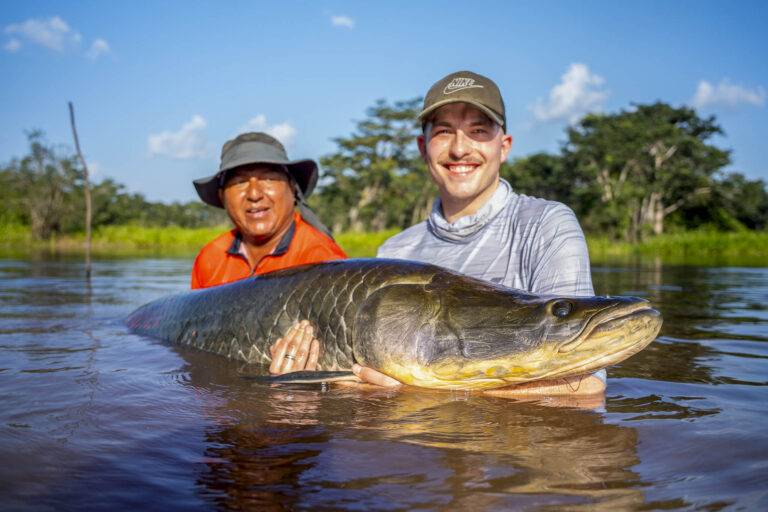
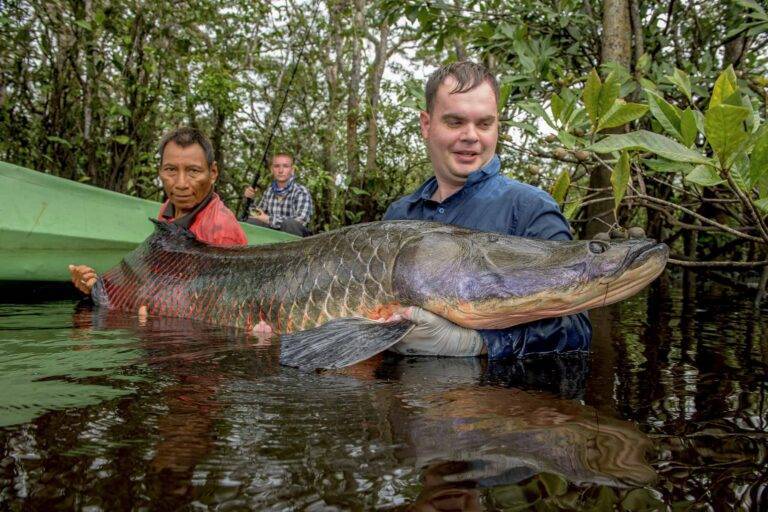
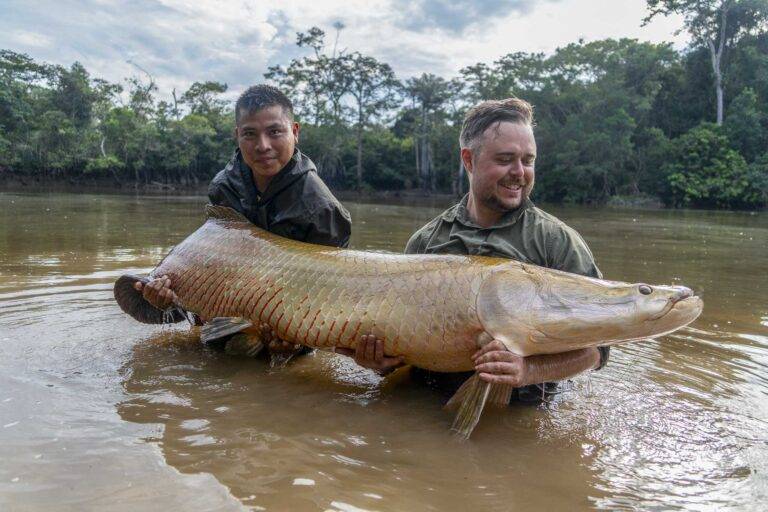
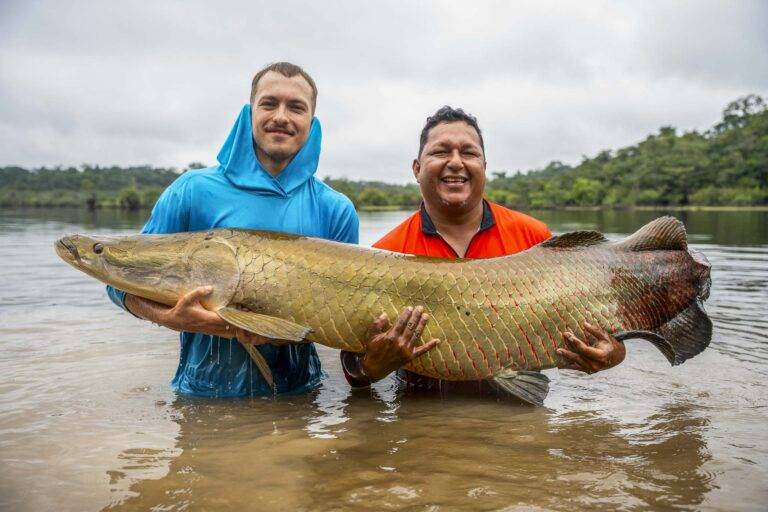
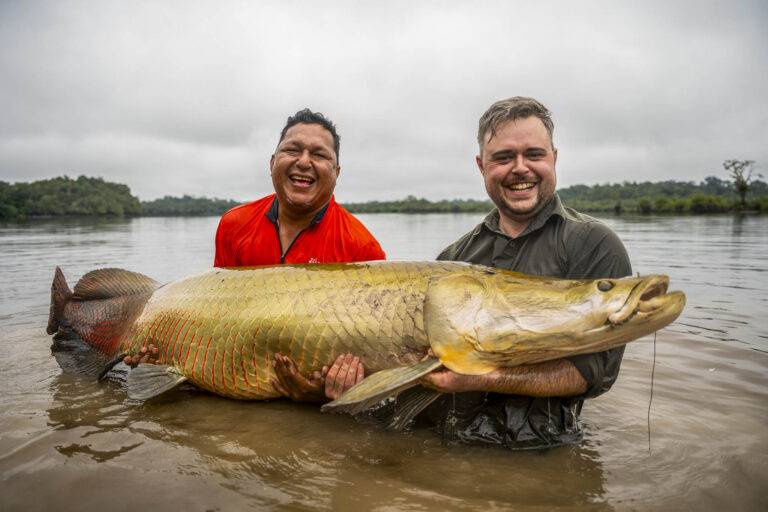
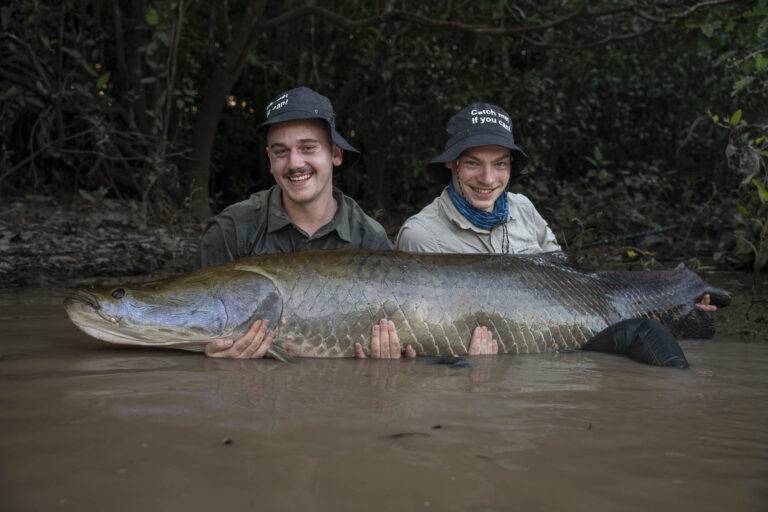
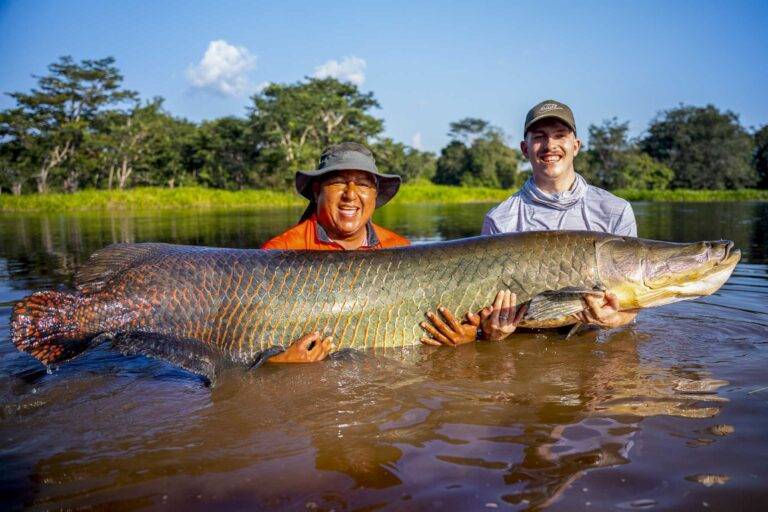
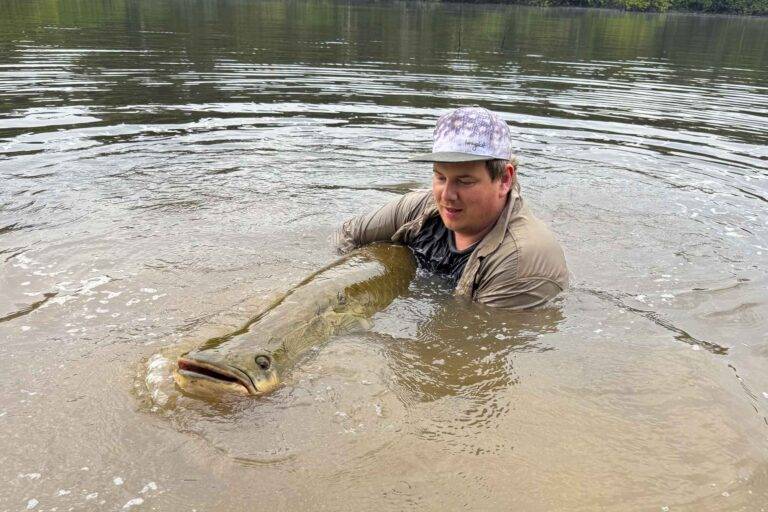
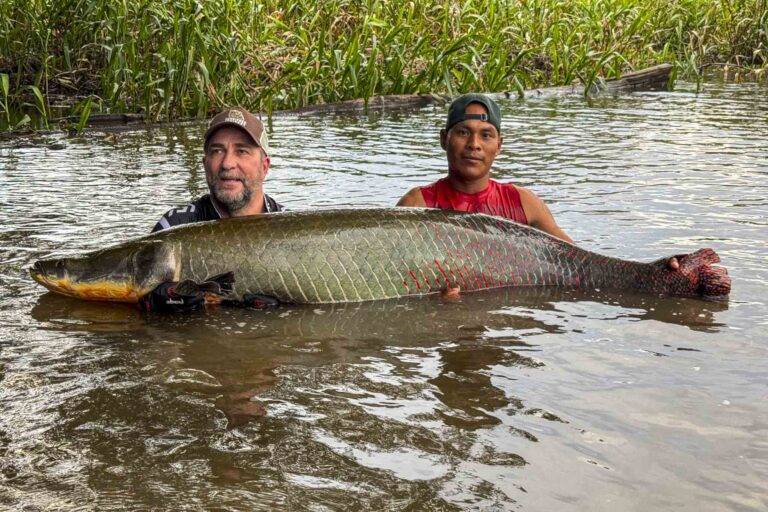
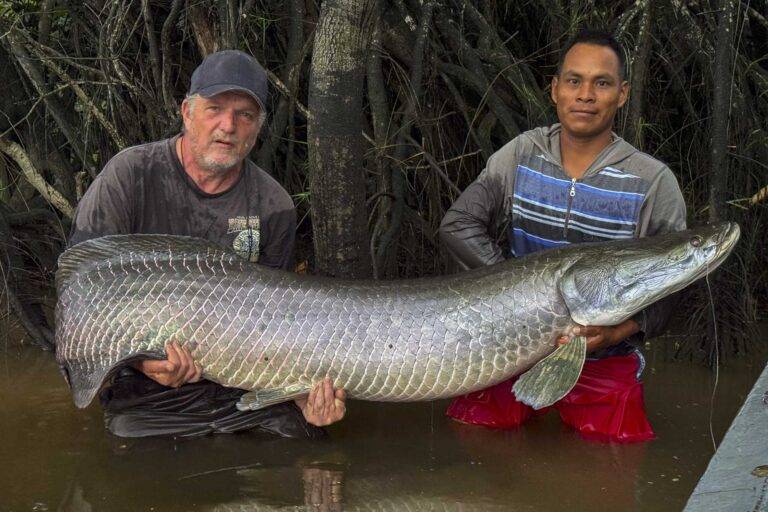
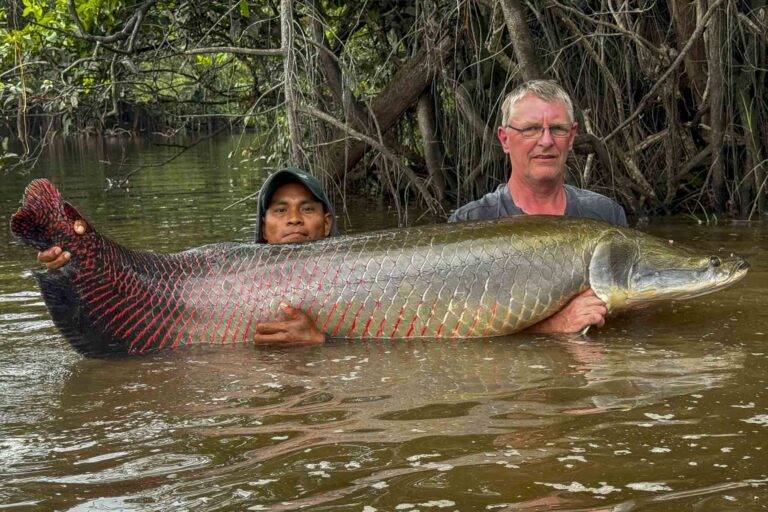
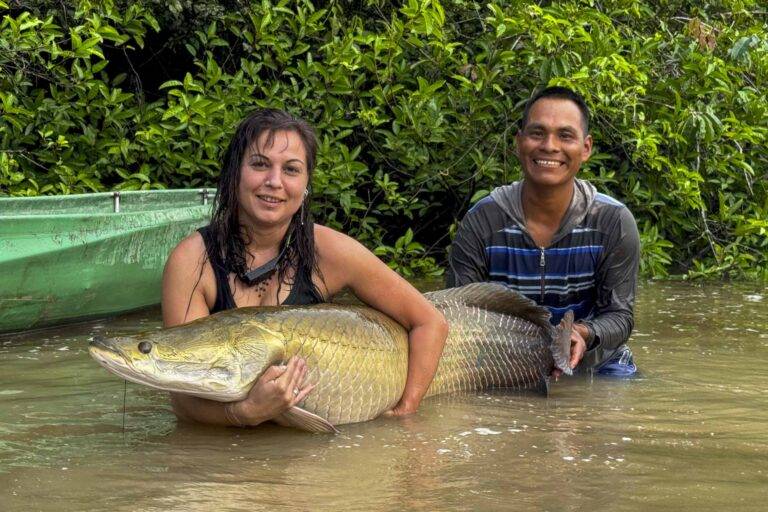
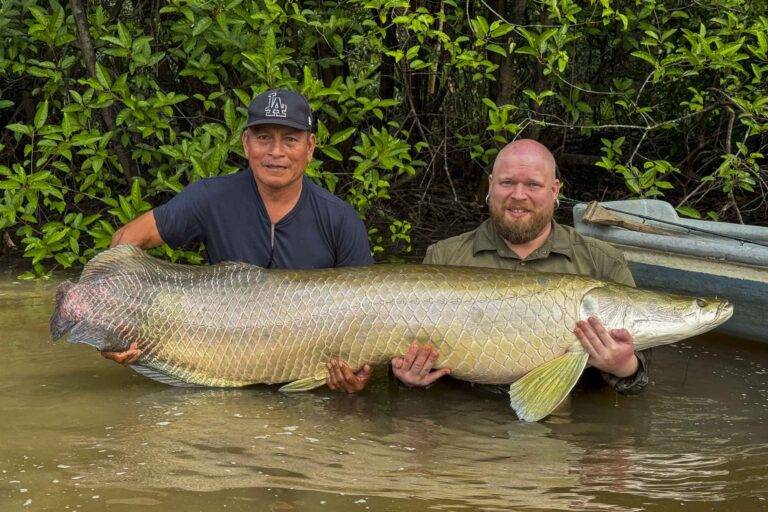
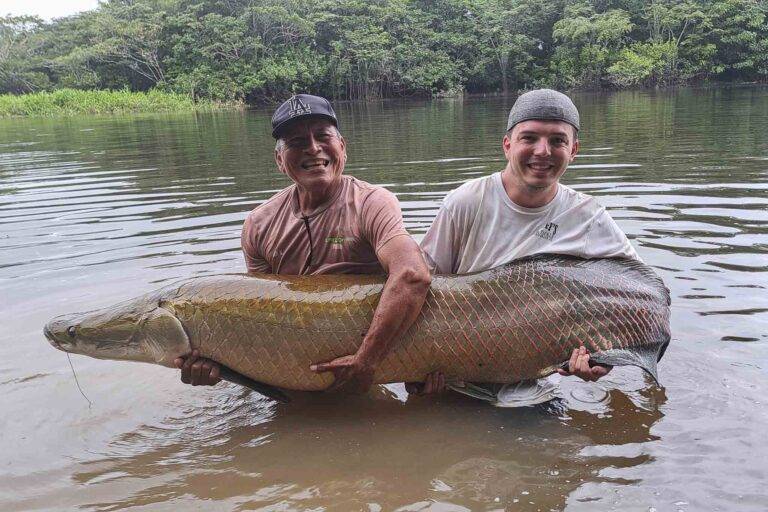
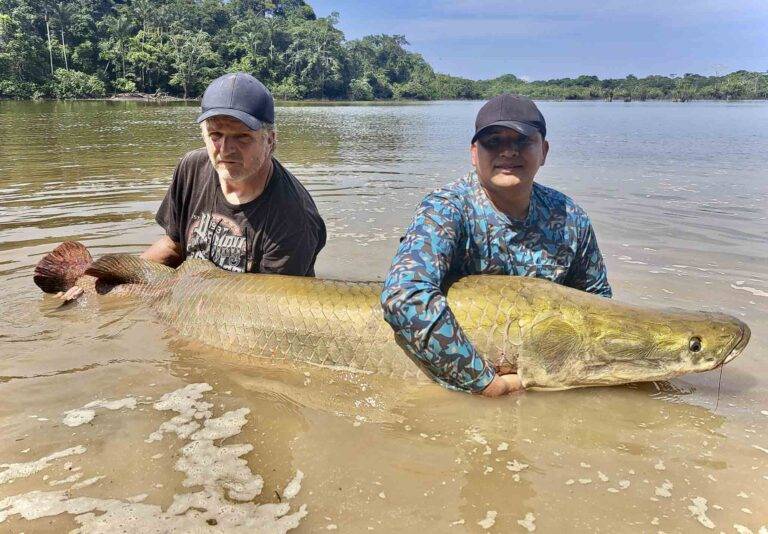
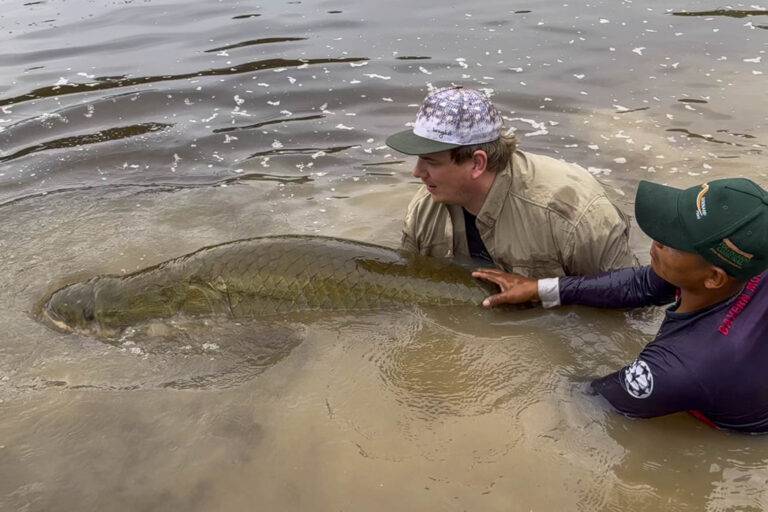
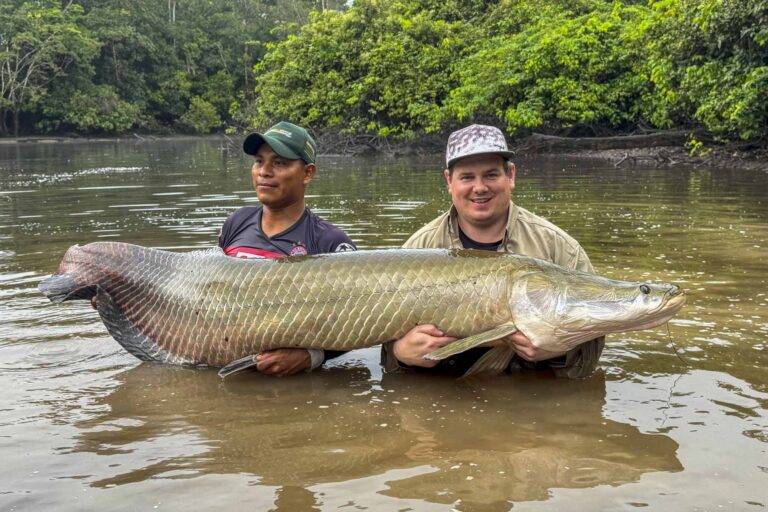
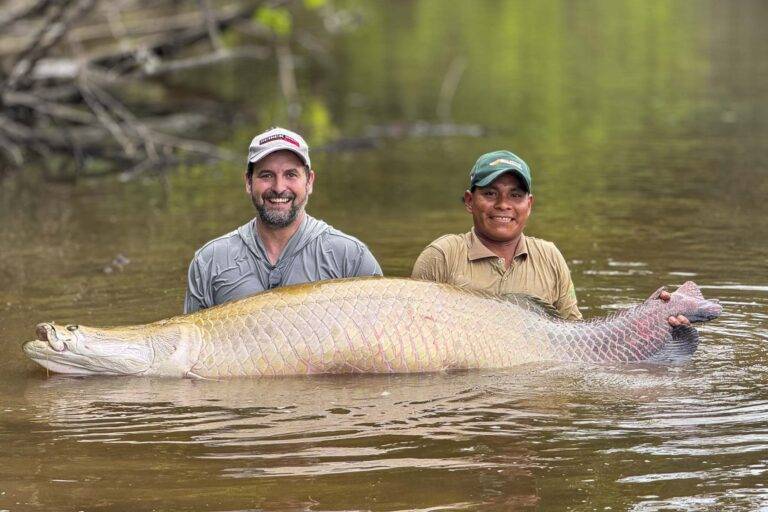
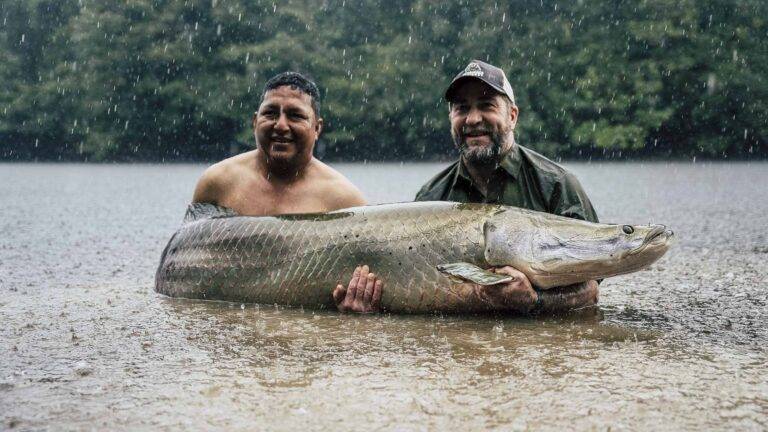
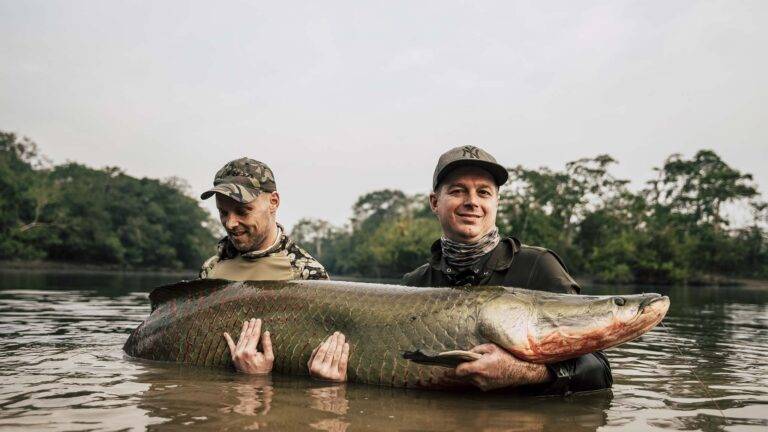
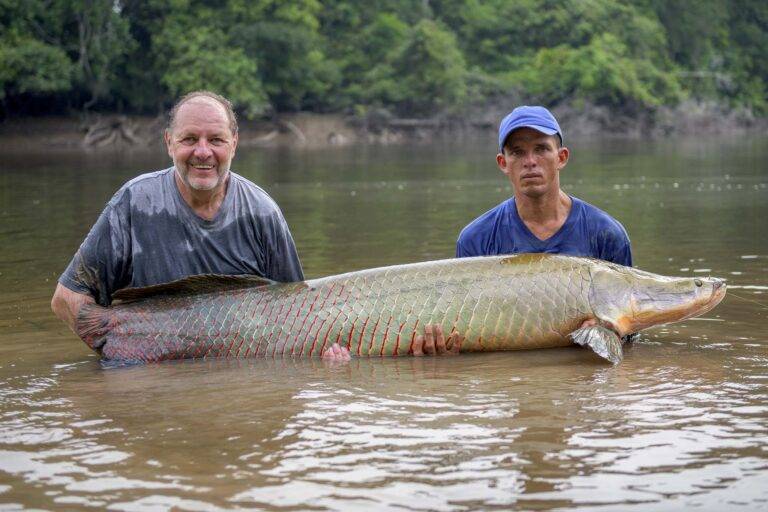
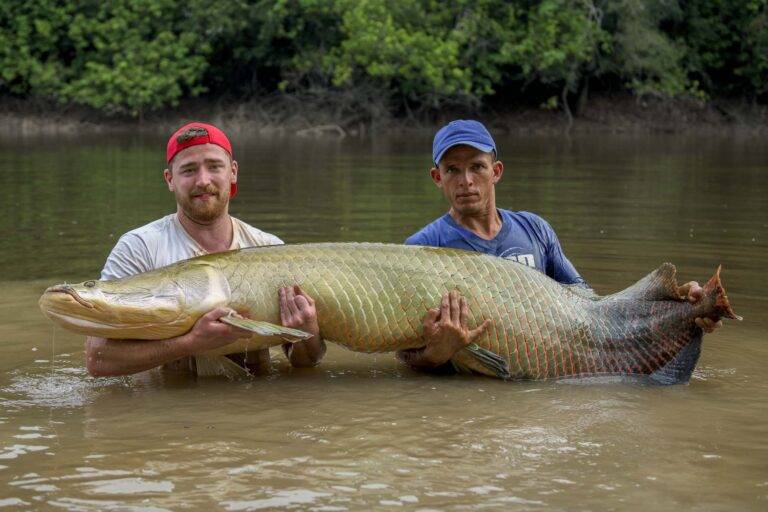
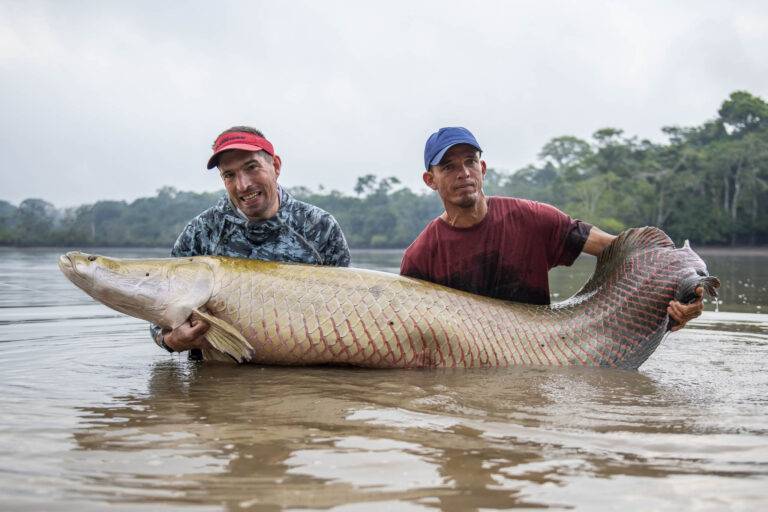
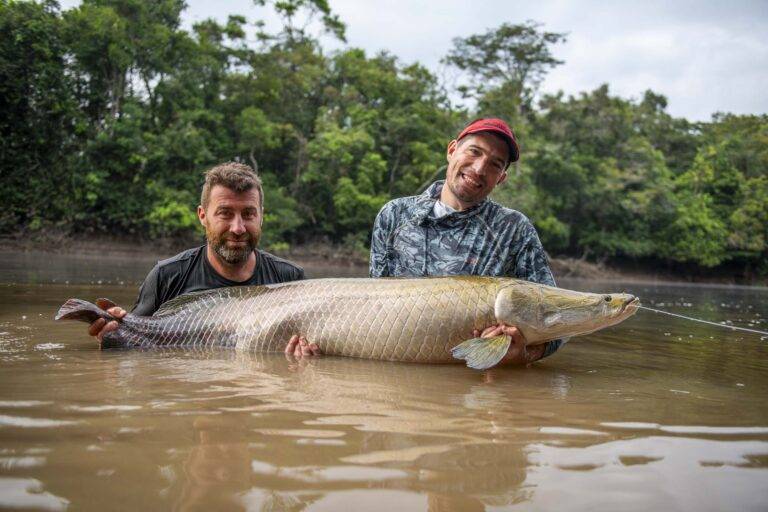
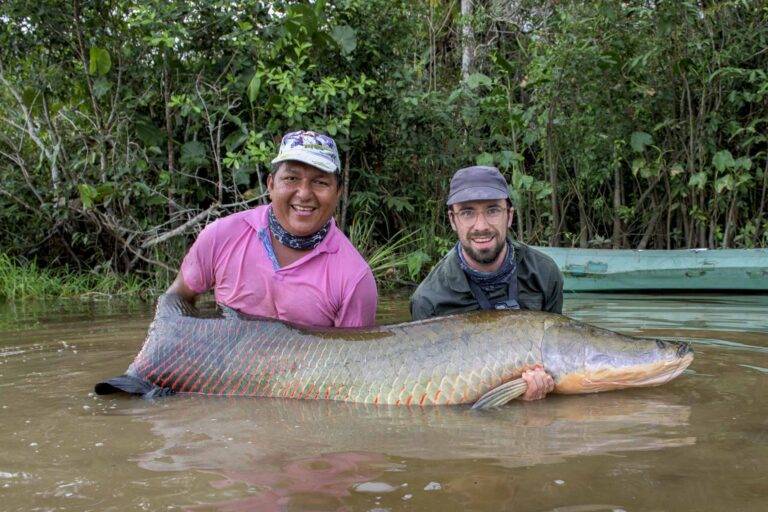
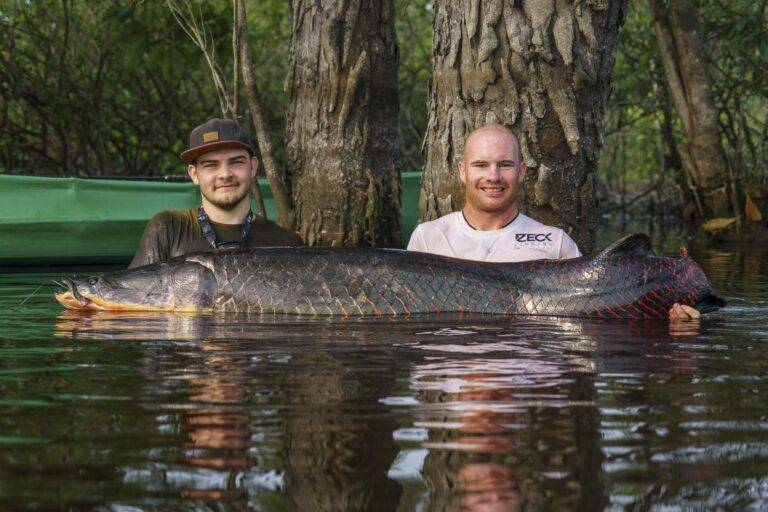
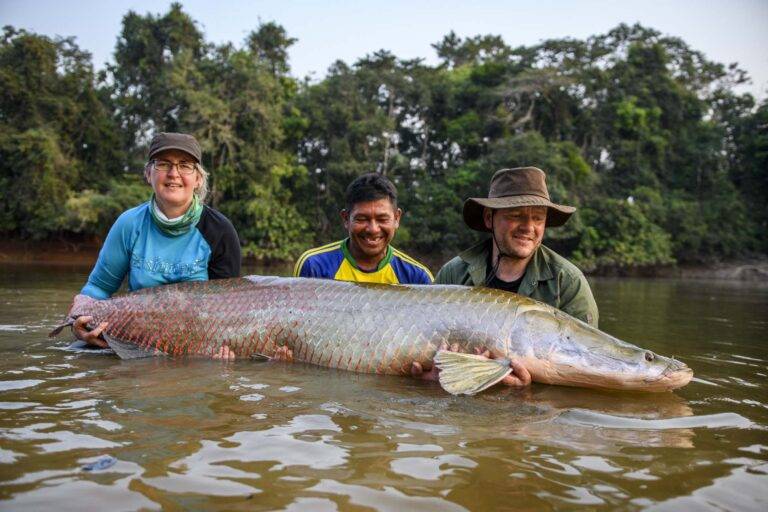
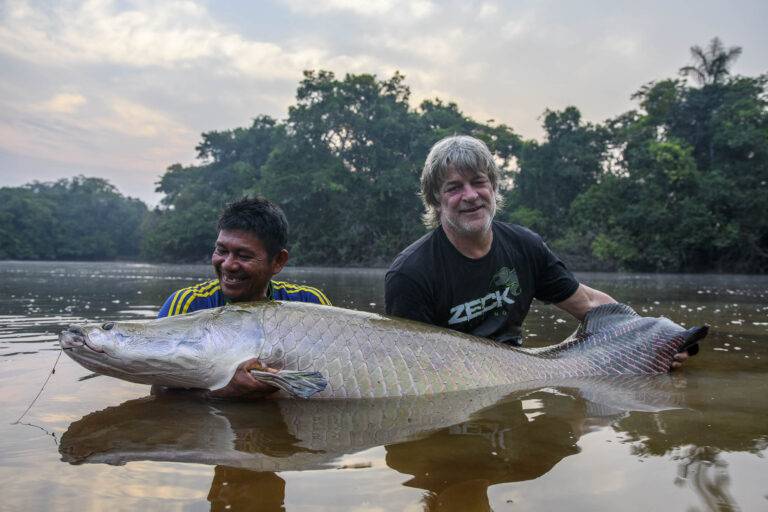
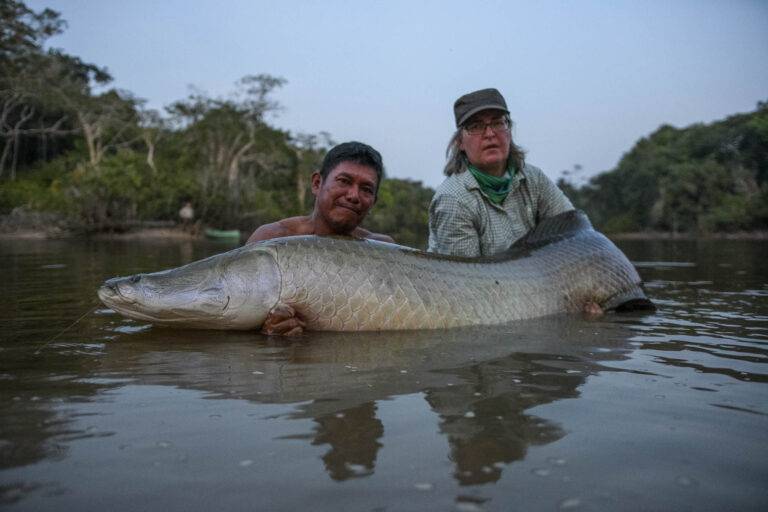
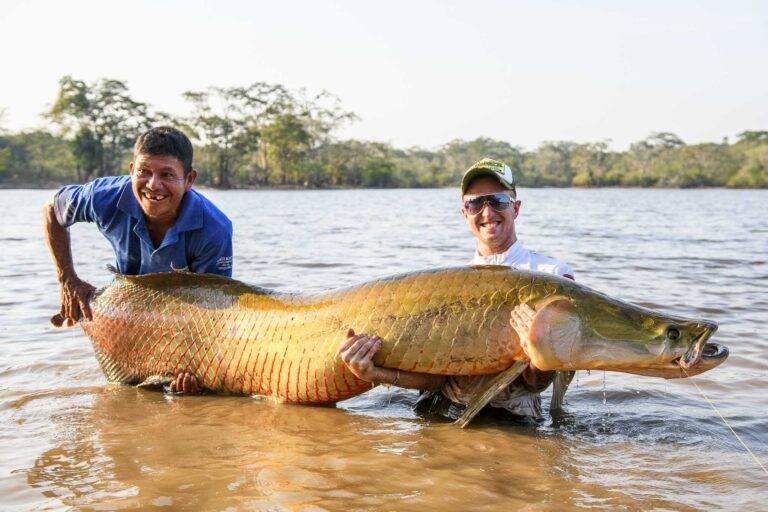
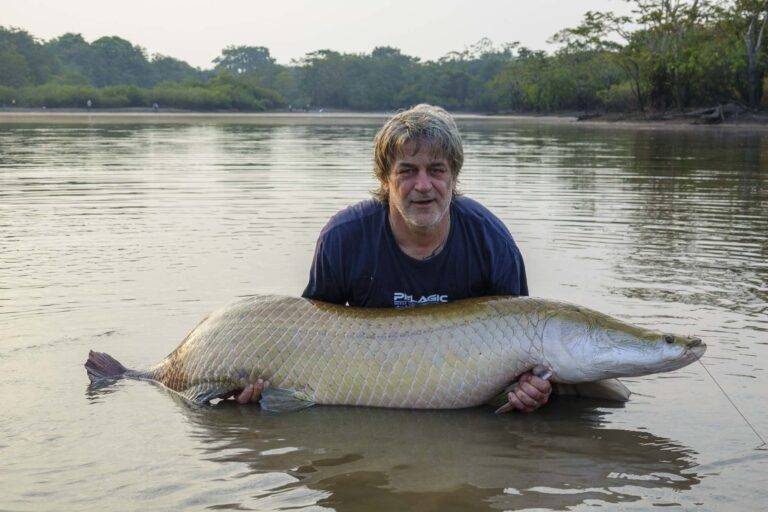
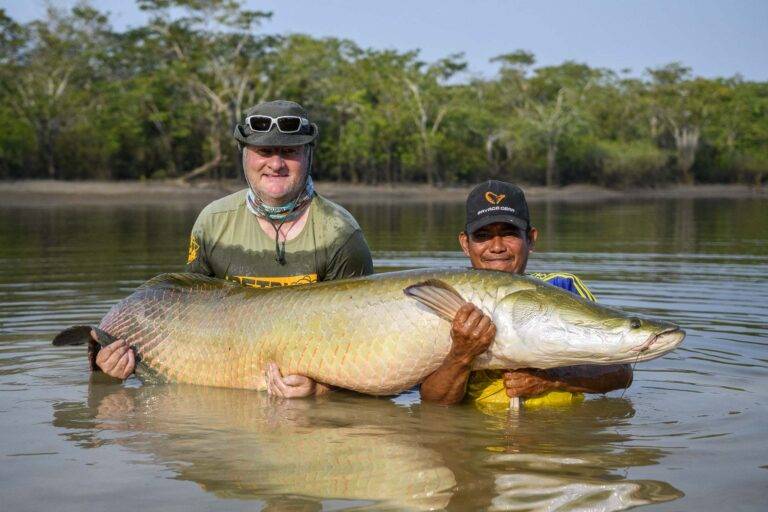
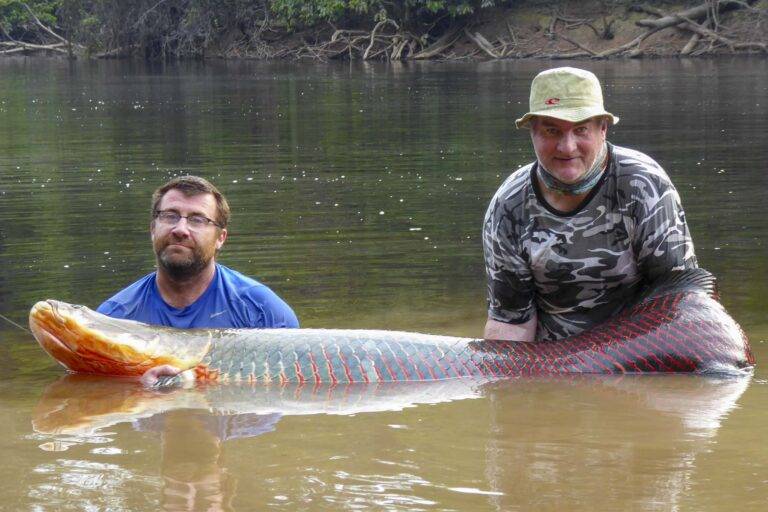
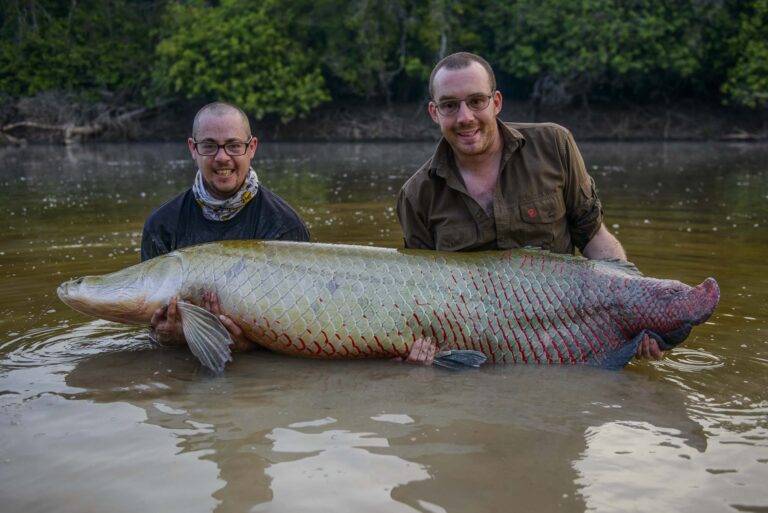
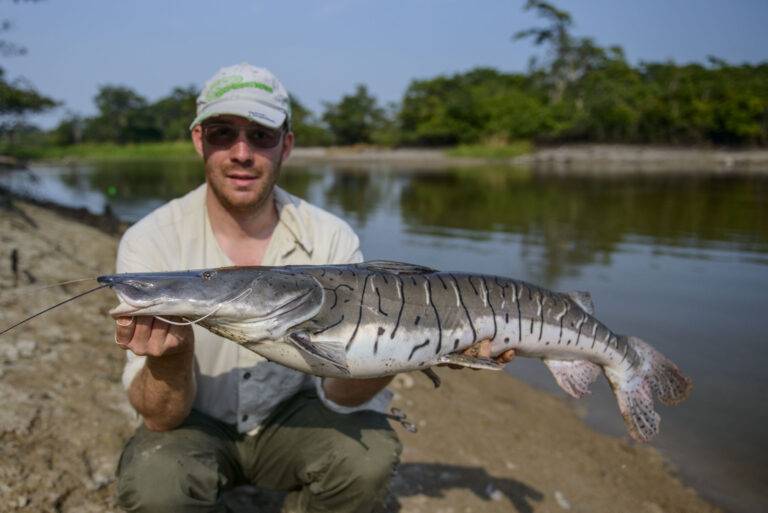
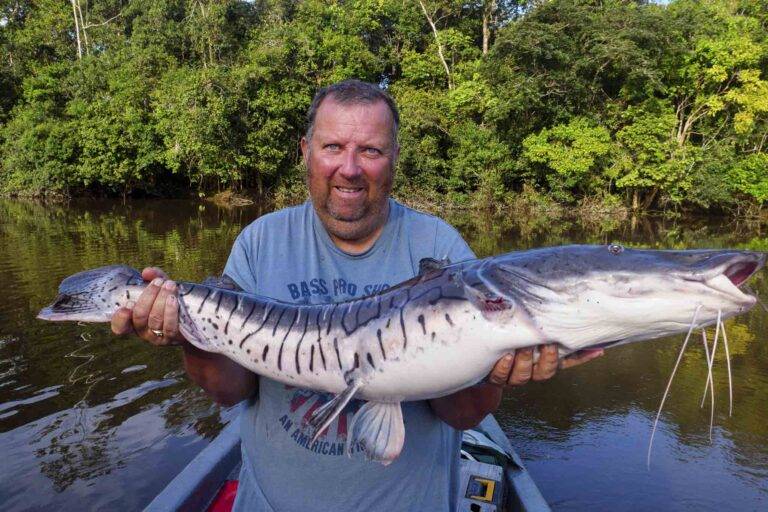
Days 4–11: Over the next eight days, we’ll search for the world’s largest freshwater fish! Depending on the water level, you’ll fish from the bank, a boat or a kayak.
The departure
Day 12: Today, you’ll begin your journey home. After packing your belongings, you’ll travel for around four hours to the border. Once you’ve crossed back into Ecuador, you’ll spend the night in an Indigenous village on the banks of the upper Amazon.
Day 13: Early in the morning, you’ll take a speedboat back to the city where the airport is located. You’ll arrive around midday and check into the same hotel as before.
The afternoon is yours to explore and sample local specialities along the waterfront. In the evening, enjoy a good dinner.
Day 14: After checking out, you’ll transfer to the airport and check in for your flight back to Quito. Depending on your connection, you’ll continue to Germany the same day.
Day 15: You’ll arrive back at your home airport in the late morning.
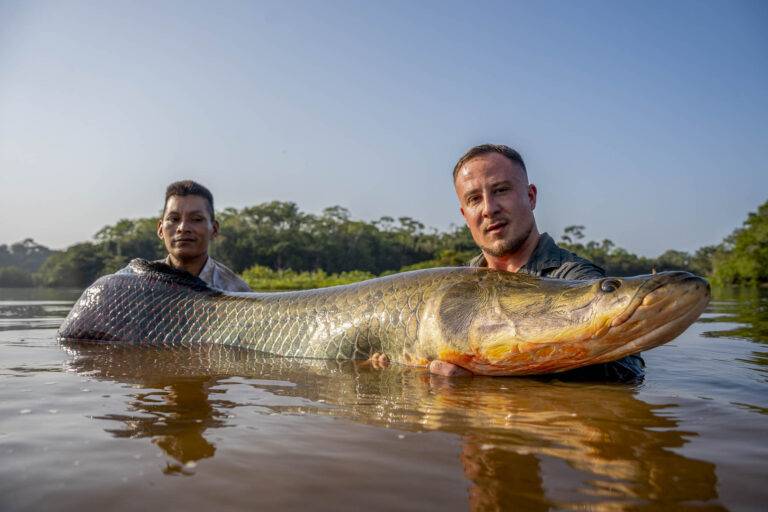
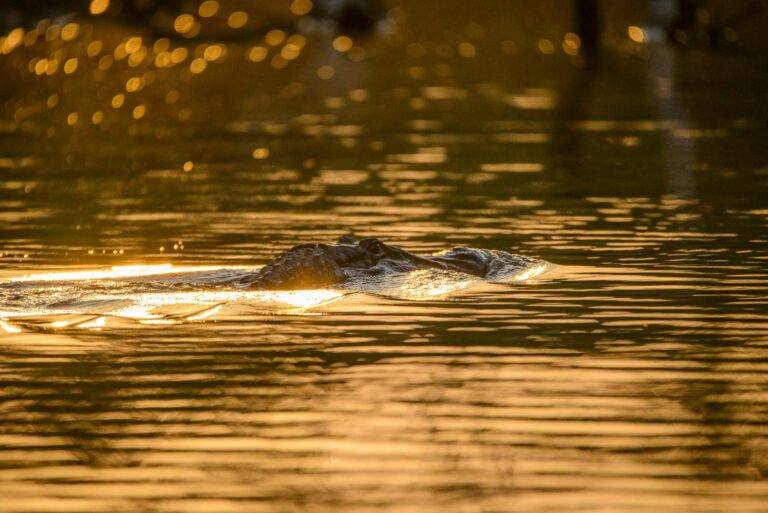
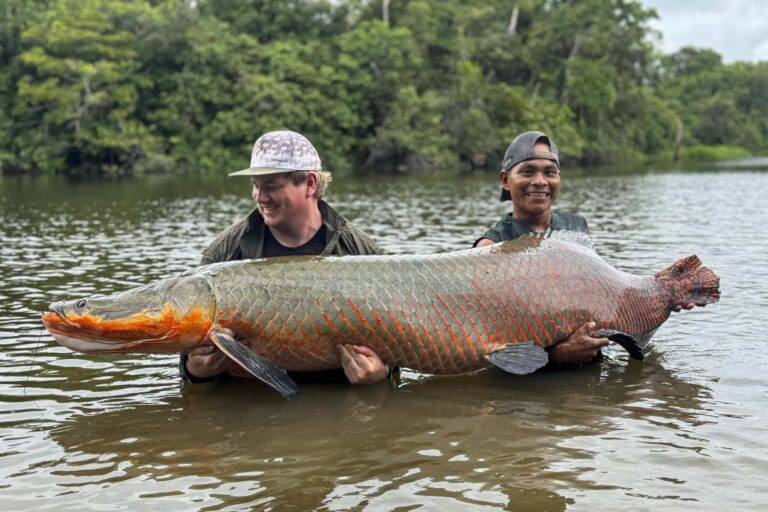
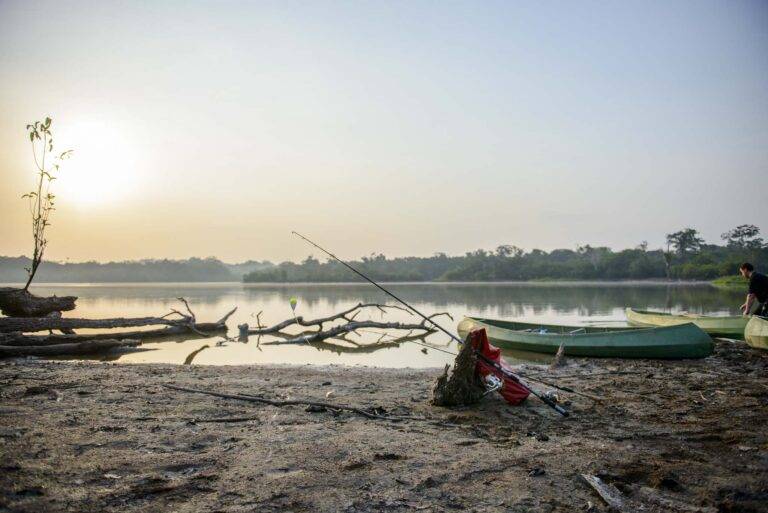
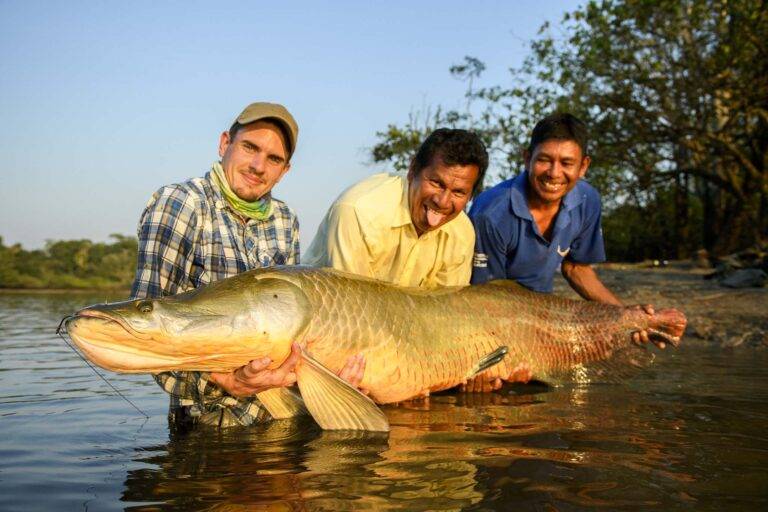
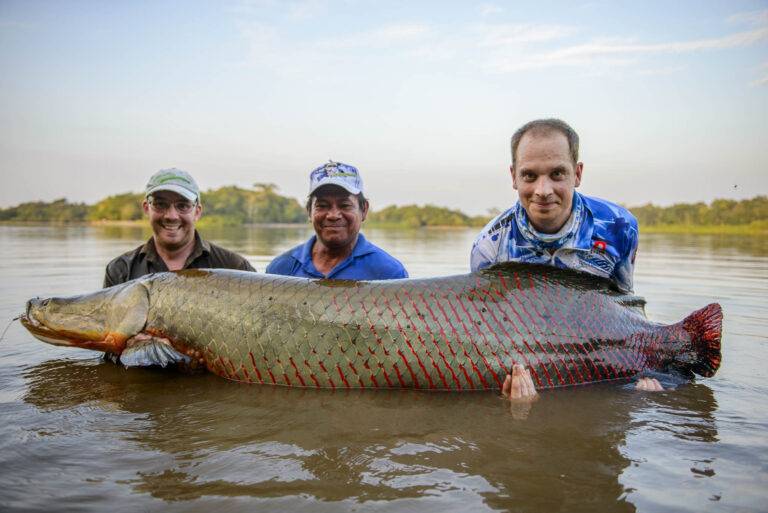
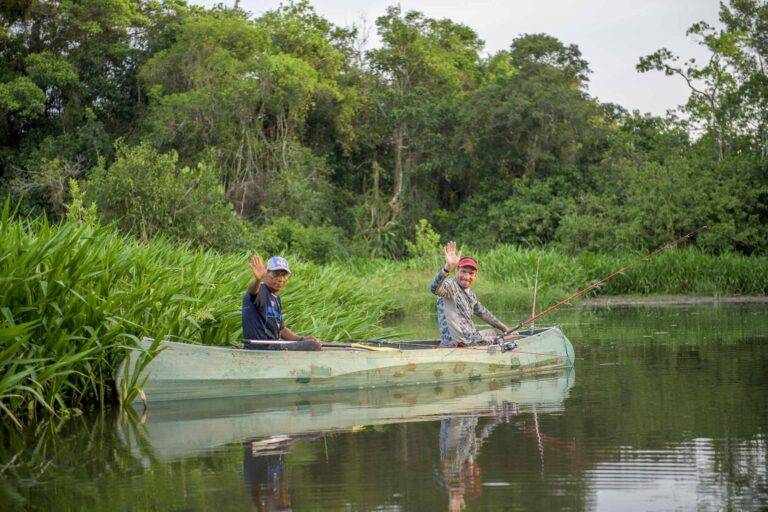
Arapaima Fishing
You can target arapaima using several fishing methods, with bottom fishing and float fishing being the most common. Depending on the water level, you’ll fish from the bank, a boat or a kayak. Arapaima inhabit small rivers, open lagoons and isolated lagoons. At low water, you can fish in lagoons connected to the river. We’ll divide the group according to the space available on the bank. A maximum of two rods per angler is permitted.
Bottom fishing is particularly effective. The rigs are similar to those used for carp fishing at home, but circle hooks are compulsory here to help minimise injury to the arapaima.
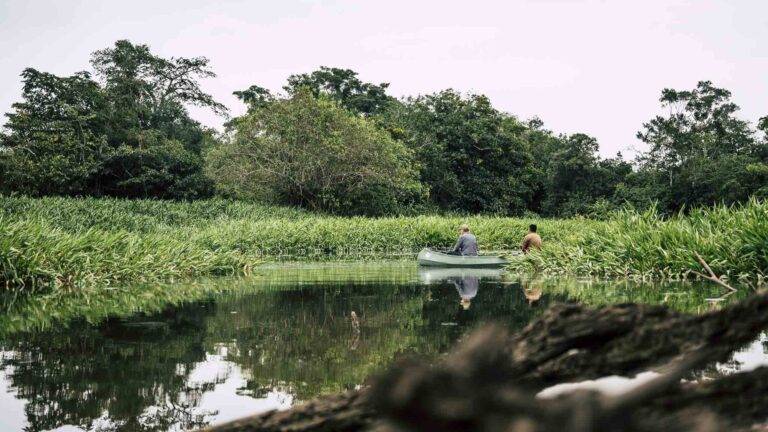
When water levels are high, the bank fishing spots become inaccessible, so you’ll fish from boats and folding kayaks. Two anglers share each folding kayak. You’ll explore flooded areas and lagoons, casting float rigs towards arapaima. It’s an exciting way to fish, requiring a quiet, stealthy approach!
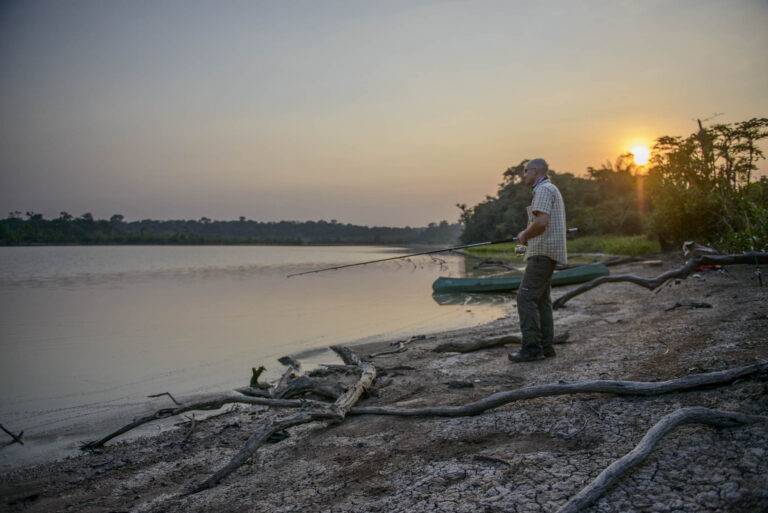
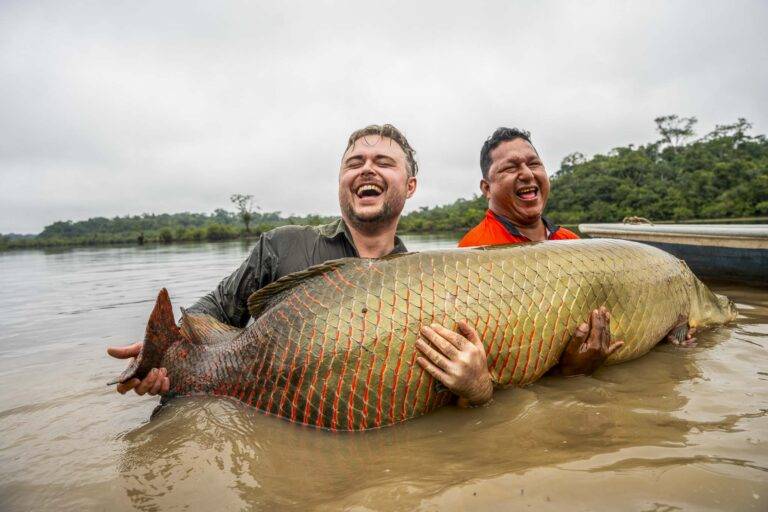
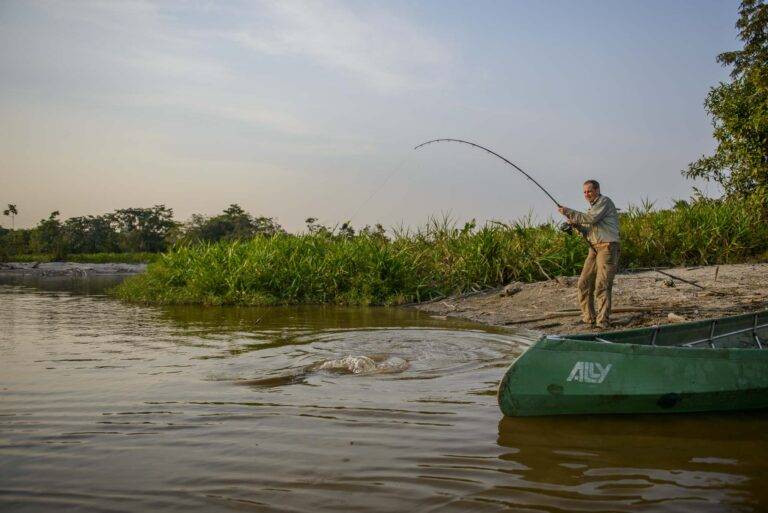
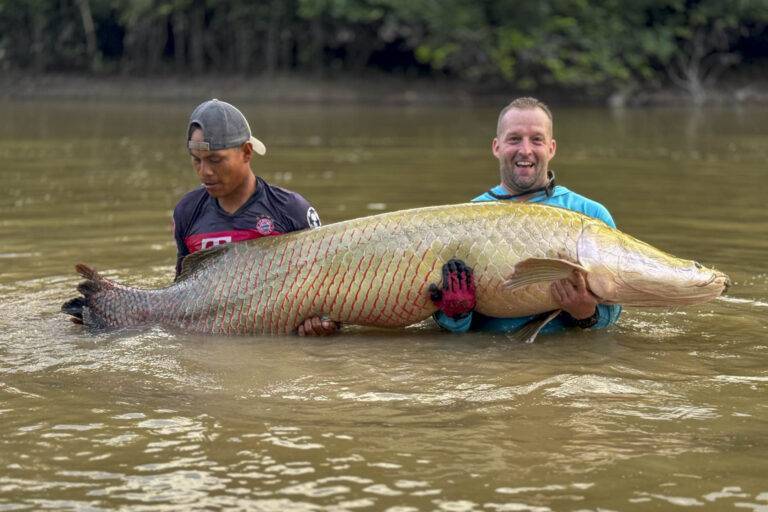
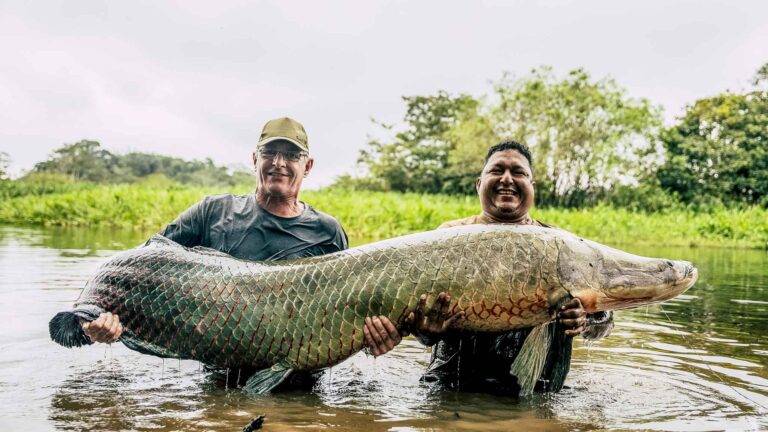
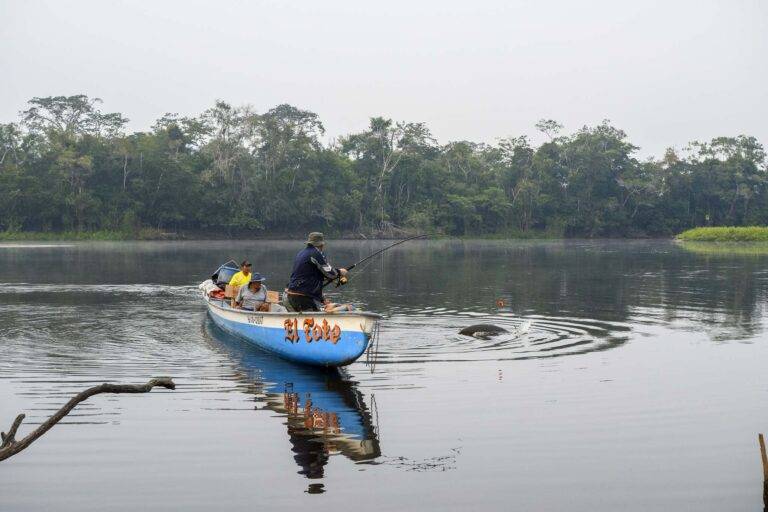
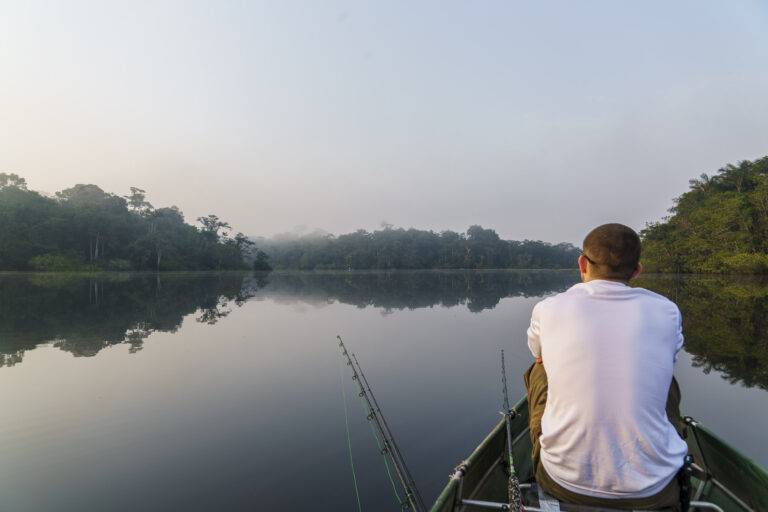
Arapaima Spin Fishing
Arapaima surface to breathe every five to ten minutes, allowing you to locate them and target them more precisely.
Lure fishing for arapaima is also an option, but it takes plenty of stamina! With so many piranhas in the water, blind casting isn’t practical – your lures wouldn’t last long. Instead, you’ll approach visible arapaima from the kayak and cast towards them.
Slow-sinking and floating jerkbaits with a broad side-to-side action work well. Larger models measuring 12–17 cm are ideal. Soft plastics are also very effective, but piranhas often damage them, so bring plenty of spares. Models measuring 15–25 cm work particularly well.
Peacock Bass Fishing
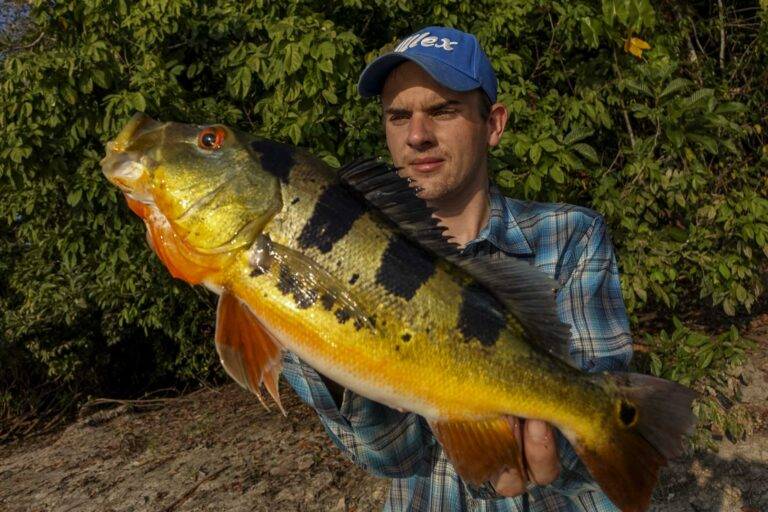
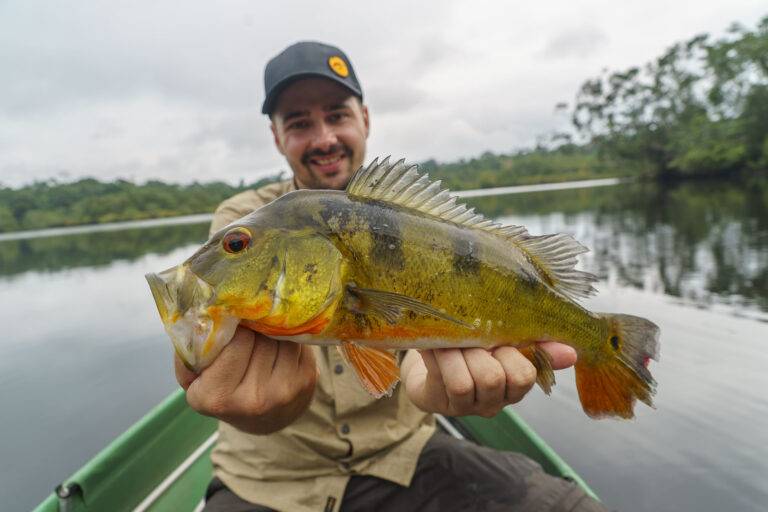
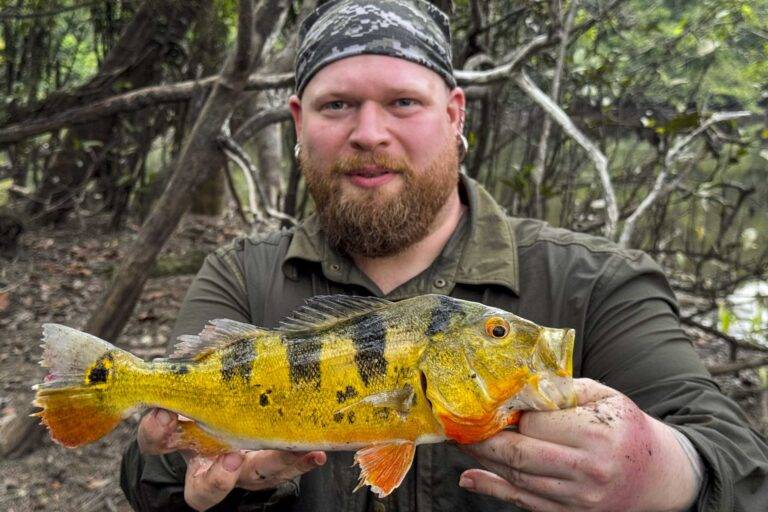
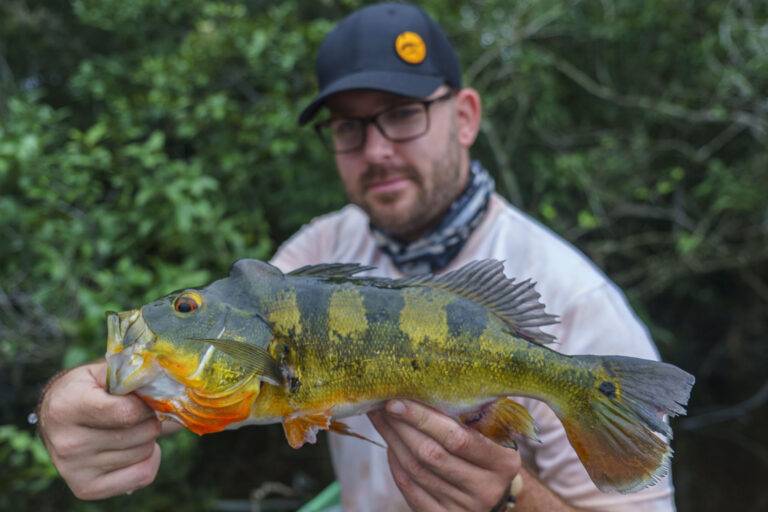
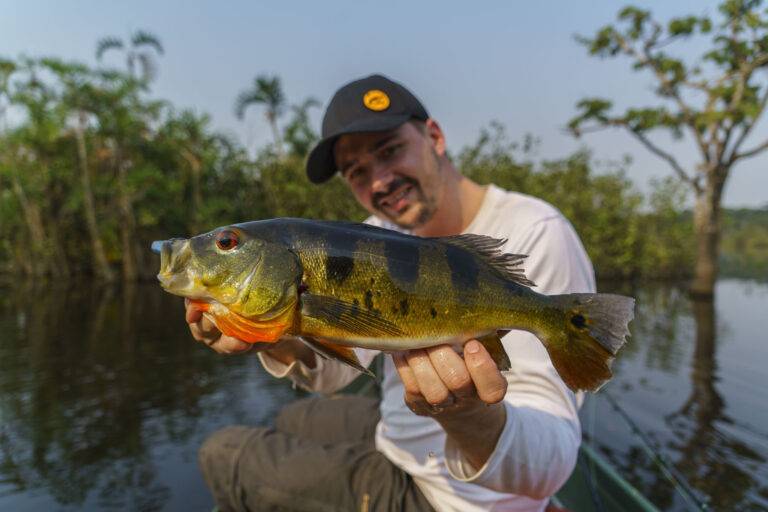
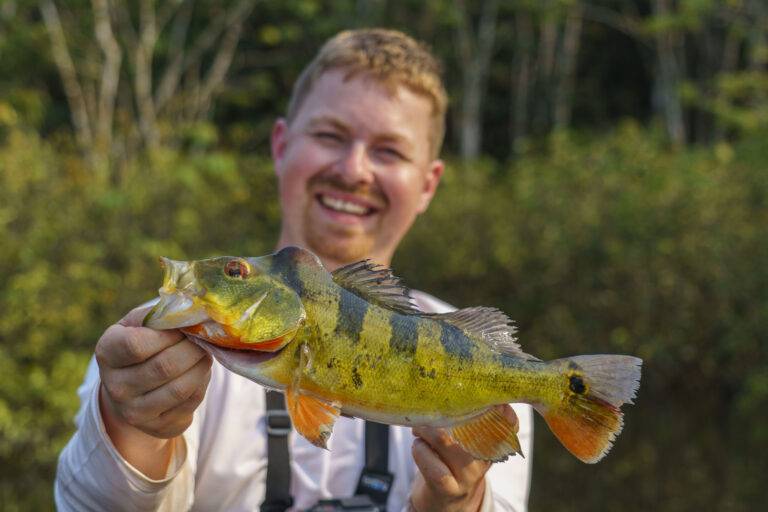
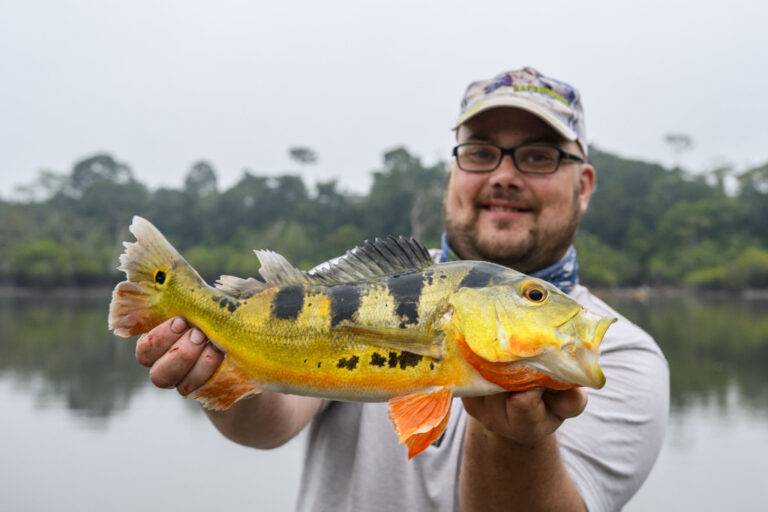
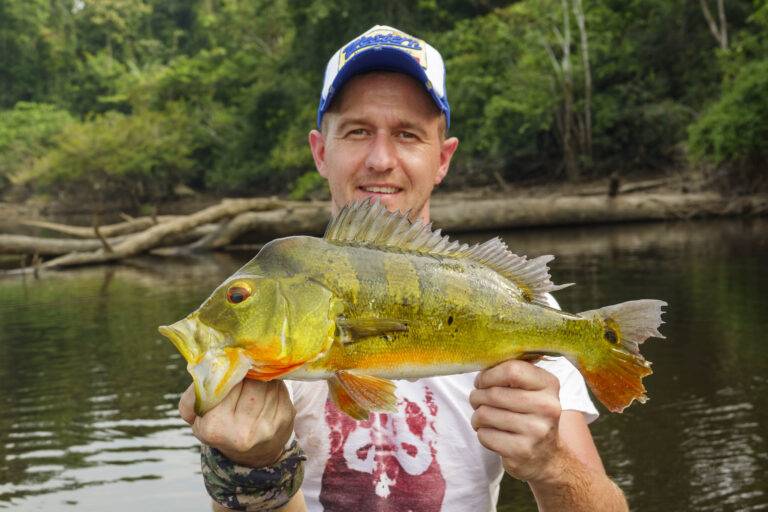
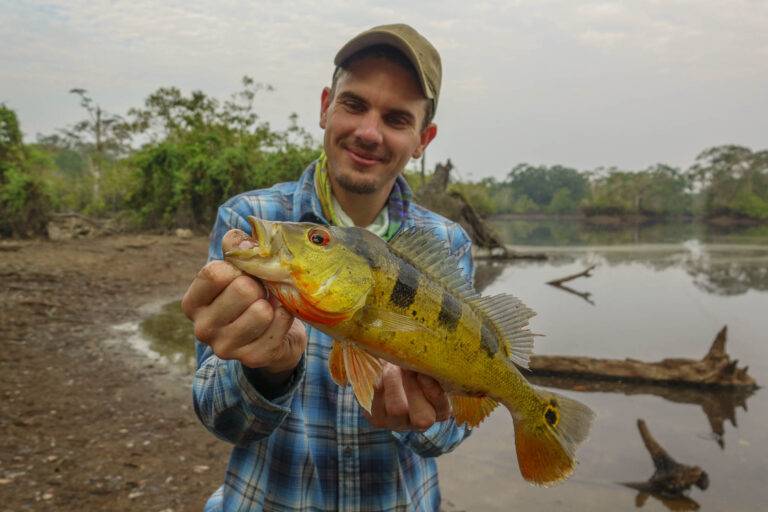
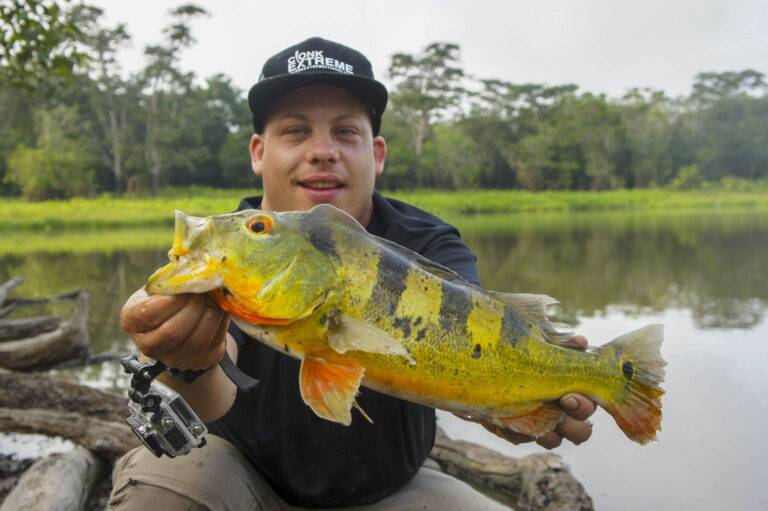
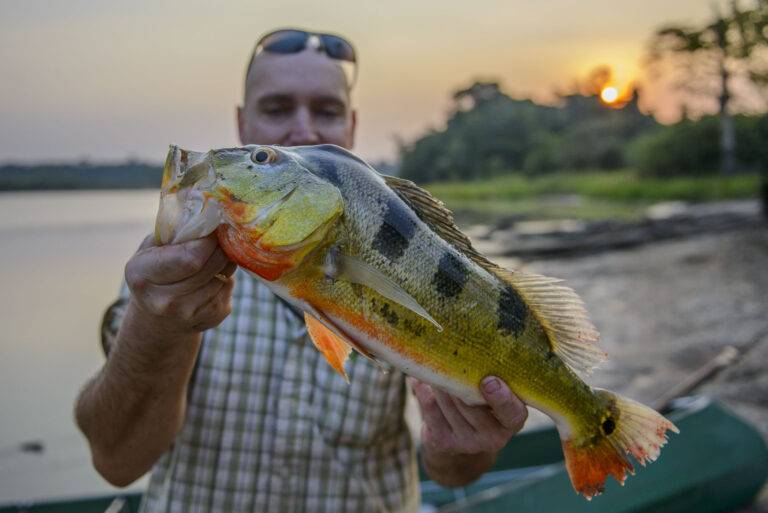
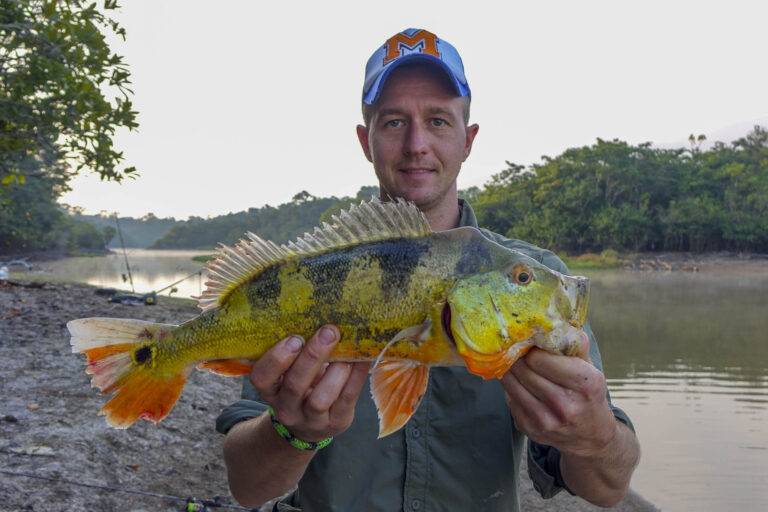
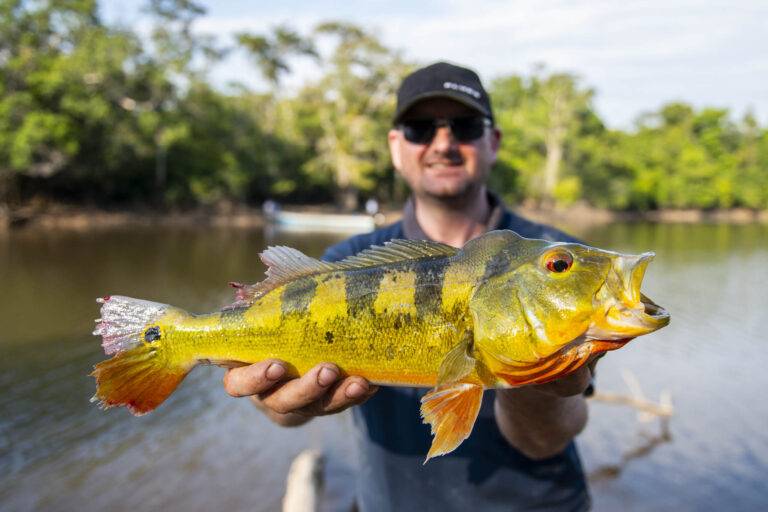
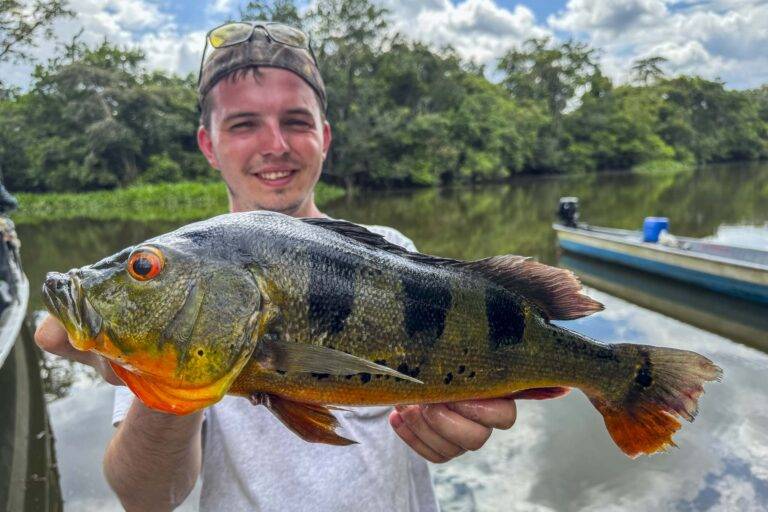
Peacock bass are also found in your fishing area. They belong to one of the smaller species and reach a maximum weight of around 5 kg.
They’re great fun on light tackle! Walk-the-dog lures measuring 8–12 cm are particularly effective, while small twitchbaits up to 12 cm long also work well. Spinnerbaits are a good choice in areas with plenty of submerged timber.
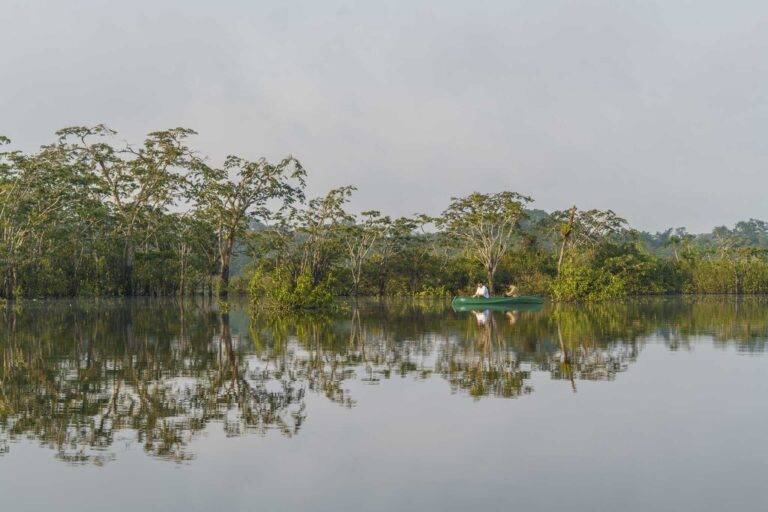
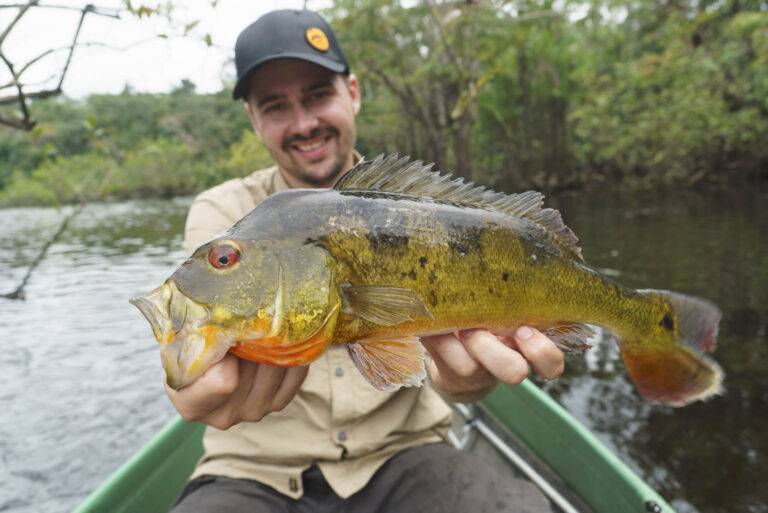
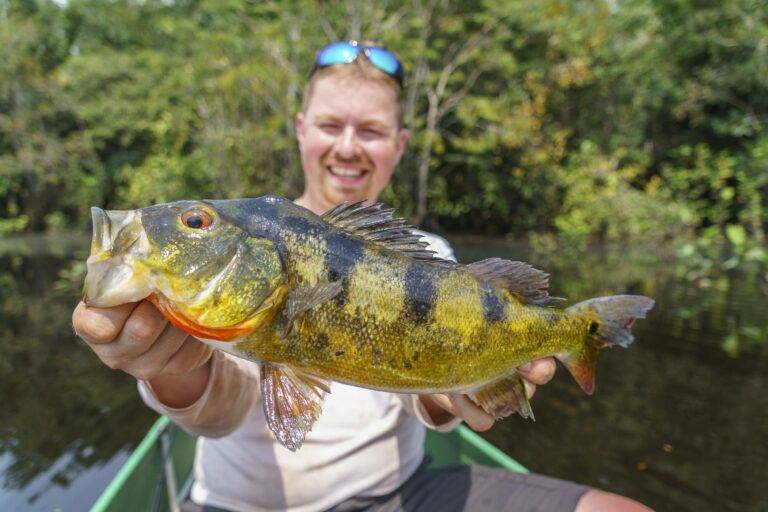
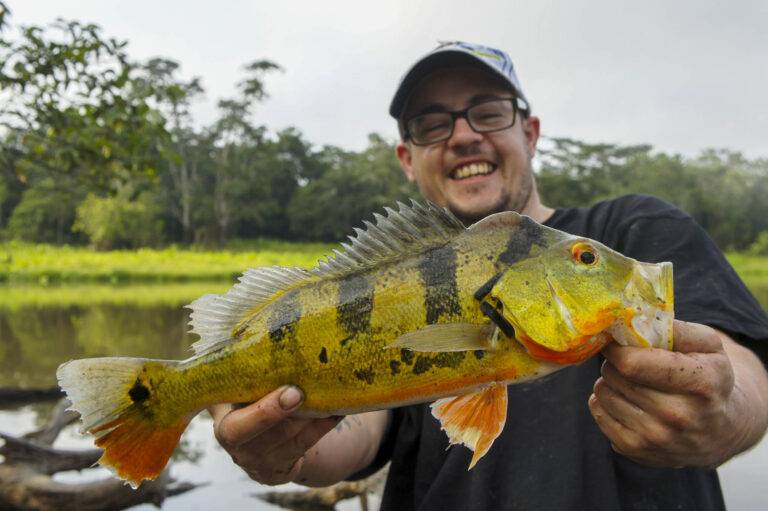
Accommodation Peru Arapaima Fishing Trip
The accommodation
Your fishing trip is a rainforest expedition, so don’t expect luxurious accommodation. Together with the local community, we’ve built a simple jungle lodge. Arapaima Lodge will be your base for each day’s fishing.
In Quito, we’ve chosen a basic hostel conveniently located near the airport.
Fishing camp in the middle of the rainforest!
Arapaima Camp
Thanks to our close relationship with the local community, we’ve built a simple Arapaima Lodge in the heart of the rainforest. The community maintains the lodge, and the proceeds go directly to them.
The lodge consists of two traditional stilt houses with palm-thatched roofs. One houses the sleeping area, where each guest has their own tent, equipped with a mattress, pillows and light blankets. Showers and toilets are shared.
The second house contains the communal area, kitchen and dining space. A generator supplies electricity, and you can charge phones and cameras in the main area.
Meals at Arapaima Lodge draw mainly on the local cuisine.
Catering
Meals: Full Board
Beverages: Soft drinks, coffee/tea and water are included. You can buy alcoholic beverages on arrival!
Quito
Hostal el Parque
For your overnight stay in Quito, we’ve chosen Hostel el Parque, a simple, traditional hostel close to the international airport.
Two anglers share a room. There’s a good pizzeria nearby.
Catering
Meals: Breakfast included
Beverages:Drinks can be paid for on site according to consumption
Your fishing boats in Peru!
The Boats
In Peru, you’ll have a variety of boats at your disposal, including a traditional longboat, a fibreglass kayak and several Ally folding kayaks. The choice of boat depends on the fishing method and local conditions.
Boat fishing for Arapaima!
Longboats
Several types of boat are available for fishing. When water levels are high, we mainly use traditional local longboats.
These have room for three anglers, with bench seating and ample engine power.
The longboats are also used to transport you between the fishing areas.
Kayak Fishing for Arapaima
Ally Kayak
We keep several Ally folding canoes on site. These are used in the many lagoons without direct access, or when water levels are high.
Two anglers share each folding canoe. For us, this is one of the most exciting ways to fish for arapaima. A key advantage is that the canoes can be carried long distances through the rainforest to remote lagoons where arapaima live.
From the canoe, you’ll cast directly towards the arapaima. It’s a thrilling way to fish, with both lure fishing and natural bait fishing proving equally effective.
Shore Fishing for Arapaima!
Shore Fishing
When water levels are low, you can also fish for arapaima from the bank. In our experience, fishing with stationary baits is one of the most successful methods.
Depending on the location, you can use two rods to improve your chances of a catch. Float and bottom rigs are used, making this a relaxed and leisurely way to fish.
You can also target arapaima from the bank with spinning tackle, but you’ll need to cast accurately towards the fish.
You need this fishing tackle for fishing for Arapaima!
Tackle Talk
You can target arapaima with either natural bait or artificial lures, depending on your preference. We recommend bringing rods suited to both methods, so pack both bait rods and spinning rods for your arapaima fishing trip.
- Arapaima: Catfish rods from 2,5m, from 300g casting weight
- Arapaima Reels: Baitrunner reels min. 250m 0,50mm
- Spinfishing: 2,4 - 2,8m, 40-60g / 80-120g casting weight
- Spinfishing Reels: 4000er / 8000er sizes
Our rod- & reel recommodations!
- Baitfish: Zeck Fishing GmbH - Pro Cat Short & Soft
- Baitfish: Zeck Fishing GmbH - Mr. Waller Rod
- Baitfish Reels: Zeck Fishing GmbH - HR20
- Baitfish Reels: Penn - Spinfisher 8500 LL
- Baitfish Reels: Zeck Fishing GmbH - SR10 (kein Freilauf!)
- Spinfishing: Zeck Fishing GmbH - All Black 240/80
- Spinfishing: Zeck Fishing GmbH - Pro Pike 240/80
- Spinfishing: Zeck Fishing GmbH - Big Stick
- Spinfishing: Zeck Fishing GmbH - Troy 240/150
- Spinfishing Reels: Zeck Fishing GmbH - SR5
- Spinfishing Reels: Zeck Fishing GmbH - SRM4000
- Spinfishing Reels: Shimano - Stradic, Saragosa, Exsence
- Spinfishing Reels: Daiwa - Exceler LT, Regal, Cerate, Caldia
You need this fishing tackle for Arapaima!
Arapaima Fishing Tackle
Bottom fishing for arapaima is straightforward, so you won’t need much tackle. For a basic bottom rig, bring weights of 80–120 g.
Use a Kevlar leader at least 1.4 mm thick. Zeck Silent Leader is well suited to this. For your main line, 0.50 mm braid is suitable. Make sure you bring at least one spare spool of line!
You’ll also need zip sliders for attaching your weights, good-quality ball-bearing swivels with snaps, such as the Zeck Ball Bearing Swivel + Snap, and a few rubber beads, such as Zeck Soft Beads.
For float fishing, standard pike or catfish floats with a carrying capacity of 30–80 g are sufficient. Bring a selection of ball weights to match your floats.
Which artificial baits work for Arapaima?
Arapaima Lures
Only circle hooks are permitted when fishing for arapaima with natural bait, as they help minimise injury to the fish. Our preferred choice is the Gamakatsu Octopus Circle Hook in size 8/0. Bring 15–25 hooks, as piranhas often bite through the leaders.
For lure fishing, we recommend large soft plastics such as the 19 cm Zeck Butcher or the 20 cm Zeck Rippler. Pack plenty of spares, as piranhas can quickly destroy them.
Large, slow-sinking or floating jerkbaits are another effective option. Choose brightly coloured models measuring 12–18 cm, such as the Hybrida J1. Replace the treble hooks with single hooks sized to suit each lure.
The best lures for peacock bass in Peru!
Peacock Bass Lures
Peacock bass are best targeted with surface lures or shallow-running twitchbaits. The species found in Peru are among the smaller peacock bass, so lures measuring 7.5–13 cm work well.
Choose surface lures with a walk-the-dog action. Models with rattles can improve your chances of a catch. Twitchbaits and spinnerbaits are also highly effective.
Alongside natural baitfish colours, bring some bright, eye-catching patterns. Firetiger, white, orange and vivid green are all effective choices.
Terminal Tackle
Hooks & Terminal Tackle
For arapaima fishing with natural baits, you may only use circle hooks! These do not hurt and are gentle on the Arapaimas. The best circle hooks for Arapaima are the Gamakatsu Octopus Circle Hooks in size 8/0! You should bring at least 15-25 hooks, as the piranhas often bite through the leaders.
For spin fishing for Arapaima, large softbaits such as the Zeck Butcher in 19cm or the Zeck Rippler in 20cm length are recommended. Please bring enough softlures, as the piranhas love softbaits.
As an alternative, large, slowly sinking or floating jerkbaits also work. These should be 12-18cm long and have bright colors. We can recommend the Hybrida J1 Jerkbait. Please replace the treble hooks with single hooks to match the lure size!
Helpful tools, waterproof luggage
Tools & Travel Bags
We recommend bringing good unhooking pliers, along with split-ring pliers for changing the hooks on your lures.
Rain showers are frequent in the rainforest, and humidity is generally very high, so we recommend waterproof travel bags. Ortlieb 80-litre duffel bags are a good choice.
Bring a waterproof backpack and document pouch to keep important documents, such as your passport and travel information, safe and dry.
This is the clothing you need on your Arapaima fishing trip
Other things for your expedition
Bring good-quality outdoor clothing for this expedition. Sturdy, full-length trousers such as Fjällräven G-1000 trousers, insect-bite-resistant long-sleeved shirts or our Expeditions UV Long Sleeve are ideal. As you’ll be travelling through the rainforest, a waterproof jacket and trousers are essential.
Ankle-high hiking boots are the best choice of footwear. Make sure they’re breathable.
As you’ll often be fishing during the day, bring a good sun hat, sunglasses and plenty of sunscreen.
Clamps from Bauhaus have proved useful as rod holders. Attached to the side of the boat, they help prevent your rods from slipping. Banksticks are also useful when fishing from the bank.
For smaller items, we recommend a waterproof boat bag such as the Zeck Tackle Container Pro.
Don’t forget a bright, reliable head torch!
Good polarised sunglasses are essential for fishing. We recommend gloryfy unbreakable sunglasses, which combine polarised lenses with exceptionally durable frames.
Take a closer look at the gloryfy unbreakable range of polarised fishing sunglasses here: Polarized Sunglasses for Anglers!
How much does an Arapaima fishing expedition cost?
Price
Included
- english speaking tour leader**
- min. 3 nights in a simple hostel, DBL, B&B
- 10 nights in our Arapaima Camp, Single Tent, FB
- 8 days fishing with guide
- Airport- & Boat Transfers
- Fishing licenses & Park Fees
- Community Fees
- Expedition Tents & Equipment
- Photo- & Videodocumentary**
Not included
- Tips (ca. 250€)
- International Flight & Visa
- Travel Insurance*
- extra luggage charges*
- additional meals/drinks*
- alcoholic drinks
- * optional/exempt **only if the minimum number of participants is reached
- Minimum number of participants: 7
Price per person
3349,-€
Extras
on request
booking statuses
Arapaima fishing expedition
2027
Peru - Fishing holiday on Arapaima!
The best catches!